

How Can You Interpret High Tan Delta Values in Transformers?
Learn how to interpret high Tan Delta values in transformers. Discover causes like moisture and thermal aging, and take corrective actions to maintain transformer health.
High Tan Delta values in transformers can indicate serious issues with insulation, potentially compromising the performance and safety of the equipment. Understanding how to interpret these values and identify the underlying causes is essential for effective maintenance and timely corrective actions.
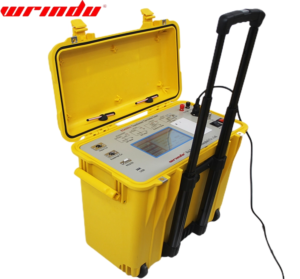
Click the image to know more about Wrindu Tan Delta Tester.
What Do High Tan Delta Values Indicate?
Tan Delta values are a measure of dielectric loss, reflecting the condition of the transformer’s insulation. High Tan Delta values generally signal that the insulation is degrading, which can be caused by factors such as moisture ingress, thermal aging, or contamination. When Tan Delta readings exceed normal limits, it’s important to take immediate action to assess the severity of the issue and determine the best course of repair or replacement. So it’s best to use wrindu tan delta tester.
How Do Moisture and Thermal Aging Affect Tan Delta Readings?
Two of the most common causes of high Tan Delta values in transformers are moisture and thermal aging:
-
Moisture Ingress: When moisture seeps into the insulation, it can lower its effectiveness, leading to higher dielectric losses. Moisture can come from external leaks, condensation, or high humidity in the operating environment. If moisture is detected, it’s crucial to address the source and dry out the insulation.
-
Thermal Aging: Over time, continuous exposure to high temperatures can cause the molecular structure of insulation materials to break down. This leads to an increase in dielectric loss, reflected in higher Tan Delta values. Regular thermal monitoring and maintaining optimal temperature conditions can help reduce the risk of thermal aging.
What Corrective Actions Should Be Taken?
If your Tan Delta readings are consistently high, it’s critical to take corrective actions to prevent further damage to the transformer. These actions may include:
-
Drying Out the Insulation: If moisture is the cause, drying out the transformer’s insulation can restore its condition and reduce the Tan Delta value.
-
Replacing Aged Insulation: For transformers that have suffered significant thermal aging, replacing the insulation or parts of the transformer may be necessary to maintain performance and prevent failures.
-
Improving Environmental Controls: Consider improving the temperature and humidity control in the transformer’s operating environment to reduce the likelihood of future insulation degradation.
Common Questions from Wrindu Technicians
Q: Can high Tan Delta values be a sign of imminent failure?
Not necessarily. High Tan Delta values indicate that the insulation is degrading, but they don’t always mean immediate failure. However, it’s a warning sign that corrective action is needed to prevent further deterioration.
Q: How can I prevent high Tan Delta values in the future?
Regular maintenance, proper environmental controls, and timely replacement of aging insulation can help prevent high Tan Delta values. Use Wrindu Tan Delta Testers to monitor the health of your transformer insulation over time.
By interpreting high Tan Delta values and identifying the underlying causes, you can take proactive steps to extend the lifespan of your transformer and reduce the risk of unplanned downtime. Wrindu Tan Delta Testers are designed to help you catch these issues early, ensuring reliable performance and safer operations.
