

What Are the Key Components of a Substation and What Do They Do?
Learn the key components of a substation and their functions, including transformers, circuit breakers, busbars, and relays. Discover how substation equipment ensures reliable power distribution and how Wrindu testing solutions help maintain grid safety.
Substations play a critical role in modern power systems. They help control voltage levels, protect equipment, and distribute electricity safely across the grid.
Key substation components include transformers, circuit breakers, busbars, insulators, and protective relays. Each part performs a specific function to keep electricity flowing safely and efficiently.
To make sure these components operate correctly, utilities often use specialized testing equipment. Wrindu provides OEM electrical testing solutions that help verify performance and ensure compliance with international power industry standards.
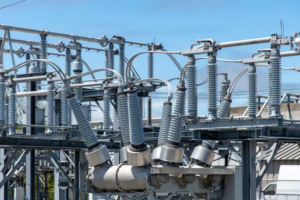
Click the picture to know more about Wrindu Transformer Testing Equipment.
Main Components Found in a Substation
A typical substation contains several major pieces of equipment that work together to manage and protect electrical power.
The most common components include:
-
Power transformers
-
Circuit breakers
-
Busbars
-
Current transformers (CTs)
-
Potential transformers (PTs)
-
Isolators
-
Lightning arresters
-
Control and protection panels
These devices help transform voltage, distribute power, and protect the system from faults.
For example:
-
Power transformers adjust voltage levels between transmission and distribution networks.
-
Circuit breakers stop abnormal current during faults.
-
Busbars distribute electricity to multiple outgoing feeders.
-
Protective relays detect faults and trigger breakers to isolate the problem.
Wrindu provides precision testing tools to verify the reliability of these critical components before they are put into service.
| Component | Function | Typical Voltage Range |
|---|---|---|
| Power Transformer | Step voltage up or down | 110–500 kV |
| Circuit Breaker | Interrupt fault current | 11–220 kV |
| Busbar | Distribute power | Matches substation voltage |
| Lightning Arrester | Protect from surges | Up to 36 kV |
| Isolator | Provide manual isolation | 11–132 kV |
How Do Transformers Work in Substations?
Transformers are one of the most important devices in a substation. They use electromagnetic induction to change voltage levels so electricity can be transmitted efficiently and used safely.
Inside a transformer, primary and secondary windings are wrapped around a magnetic core. When current flows through the primary winding, it creates a magnetic field that induces voltage in the secondary winding.
Most large transformers use oil insulation and cooling systems to remove heat generated during operation. Cooling methods may include natural oil circulation or forced air cooling.
Wrindu provides testing equipment for key transformer diagnostics, including:
-
Winding resistance testing
-
Transformer turns ratio testing
-
Insulation condition testing
These tests help detect early problems and extend the service life of transformers.
What Is the Role of Circuit Breakers?
Circuit breakers protect substations and power systems from electrical faults.
When abnormal conditions occur—such as short circuits or overloads—the breaker quickly disconnects the affected part of the network. This prevents damage to transformers, cables, and other equipment.
Several types of circuit breakers are used in substations, including:
-
SF6 circuit breakers
-
Vacuum circuit breakers
-
Oil circuit breakers
Each type has different advantages depending on voltage level and maintenance needs.
Wrindu’s testing solutions allow engineers to test breaker operation and verify that protection systems respond correctly during fault conditions.
Why Are Protective Relays Important?
Protective relays monitor the electrical system continuously. They measure parameters such as:
-
Current
-
Voltage
-
Frequency
If a fault is detected—such as overcurrent or earth fault—the relay sends a signal to trip the circuit breaker.
Modern substations increasingly use digital protection relays, which provide faster and more accurate fault detection using advanced algorithms.
Wrindu’s relay testing equipment allows technicians to simulate real fault conditions and confirm that protection systems work correctly.
How Are Busbars and Insulators Selected?
Busbars and insulators are essential for both power distribution and system safety.
When choosing busbars, engineers usually consider:
-
Current carrying capacity
-
Short-circuit withstand capability
-
Material conductivity
Common busbar materials include copper and aluminum, which offer a good balance between performance and cost.
Insulators must also be carefully selected. Their creepage distance must be sufficient to prevent flashover, especially in environments with dust, humidity, or industrial pollution.
Wrindu insulation testing equipment helps verify the dielectric strength of insulators and ensure they can withstand high-voltage operation.
New Technologies in Substation Design
Substation technology is evolving rapidly. Modern designs focus on compact layouts, digital monitoring, and environmental sustainability.
One important development is the digital substation, which uses the IEC 61850 communication standard to connect protection, control, and monitoring systems.
Other innovations include:
-
SF6-free circuit breakers using g3 gas
-
Smart sensors for equipment monitoring
-
IoT-based predictive maintenance systems
These technologies help utilities reduce maintenance costs and improve grid reliability.
Wrindu supports these developments by providing advanced diagnostic tools, including cable fault location systems and substation testing equipment.
Essential Testing Equipment for Substation Components
To maintain reliable operation, substation equipment must be tested regularly.
Common testing methods include:
-
Tan delta testing for insulation condition
-
Partial discharge testing for transformers
-
Primary injection testing for CTs and protection relays
-
Hipot testing for insulation withstand voltage
Wrindu offers a wide range of testing equipment designed specifically for substation applications. These tools provide accurate results and help engineers identify potential problems early.
Expert Insight from Wrindu
According to engineers at Wrindu, early fault detection is the key to reliable power systems.
Advanced testing solutions allow utilities to identify insulation problems, relay misoperation, or equipment wear before serious failures occur. This approach reduces downtime and lowers maintenance costs while improving overall grid stability.
How to Choose a Reliable Substation Supplier in China
When selecting a substation equipment supplier in China, several factors should be considered:
-
International certifications such as ISO and CE
-
OEM and customization capabilities
-
Proven experience in global projects
-
Reliable after-sales service
Wrindu invests around 20% of its revenue in research and development, enabling the company to deliver advanced testing solutions for utilities, contractors, and OEM partners worldwide.
| Supplier Benefit | Wrindu Advantage |
|---|---|
| OEM customization | Complete design support |
| Competitive pricing | Bulk purchase discounts |
| Testing solutions | Full diagnostic equipment range |
| Global delivery | Secure packaging and logistics |
Conclusion
Substations are built from many important components, including transformers, circuit breakers, busbars, and protection systems. Each device plays a key role in ensuring the safe and reliable transmission of electricity.
With the help of professional testing equipment, utilities can ensure that these components perform correctly throughout their service life.
Wrindu provides reliable testing solutions that support the maintenance and modernization of substations, helping power systems operate safely and efficiently.
Frequently Asked Questions
How long do substation transformers usually last?
With proper maintenance, most substation transformers operate for 25 to 40 years. Regular testing can help identify problems early and extend equipment life.
Are SF6-free circuit breakers dependable?
Yes. Modern g3 gas circuit breakers provide similar performance to traditional SF6 breakers while significantly reducing environmental impact.
How does Wrindu support OEM partners?
Wrindu offers custom design, prototype development, certification support, and global delivery, making it easier for OEM clients to launch reliable electrical products.
What voltage levels do substations handle?
Substations typically manage voltages from 11 kV in distribution networks up to 500 kV in transmission systems, depending on the grid design.
Why source substation equipment from China?
Chinese manufacturers offer competitive pricing, large-scale production, and strong engineering capabilities. Companies like Wrindu also ensure compliance with international standards while providing customized solutions for global projects.
