

What Are the Key Steps in Oil-Filled Cable Commissioning?
Learn the step-by-step process of oil-filled cable commissioning tests, including pre-energization checks, IEC standards, and essential instruments for a safe, reliable setup.
Commissioning oil-filled cables is a crucial step in ensuring their reliability and performance in high-voltage environments. The process involves a series of tests and checks that verify the cable’s readiness for energization. These steps ensure that the cable system is safe, efficient, and free of defects before being brought online.
What Happens During Pre-Energization Testing?
Before energizing the oil-filled cable system, pre-energization tests are performed to ensure that the cable is in optimal condition. These tests include:
-
Insulation Resistance Testing: Measures the resistance of the cable insulation to identify any potential leakage or degradation.
-
Continuity Testing: Ensures that there are no open circuits in the cable, verifying the integrity of the conductive path.
-
Dielectric Testing: Checks the dielectric strength of the cable insulation to ensure it can withstand operational voltages without breaking down.
These pre-energization tests are crucial for ensuring the cable’s performance and preventing failures when it is energized.
What Are the IEC Checks for Oil-Filled Cables?
The International Electrotechnical Commission (IEC) provides guidelines for testing and commissioning cables. IEC checks are critical to ensure the cable meets international standards for safety and performance. Some key IEC checks include:
-
Visual Inspection: Verifying the physical condition of the cable for signs of damage or manufacturing defects.
-
Pressure Tests: Ensuring the oil pressure inside the cable is stable and within the recommended range.
-
Partial Discharge (PD) Testing: Detecting small electrical discharges within the cable’s insulation, which can indicate weaknesses or impending failure.
These checks ensure that the cable complies with IEC standards, providing assurance that it is safe and ready for operation.
What Instruments Are Used in Cable Commissioning Tests?
Several instruments are required to perform the necessary tests during cable commissioning. These include:
-
Insulation Resistance Meters: Used to measure the resistance of the cable insulation to detect any potential breakdowns.
-
High-Voltage Testers: Used to apply a high voltage to the cable during dielectric and pressure testing, ensuring the insulation can handle the operational voltage.
-
Partial Discharge Detectors: Detect electrical discharges within the cable insulation to identify areas of weakness or damage.
-
Oil Pressure Monitors: Measure the oil pressure within the cable, ensuring it remains stable during operation.
Using the right instruments ensures accurate testing results and proper commissioning of the cable system.
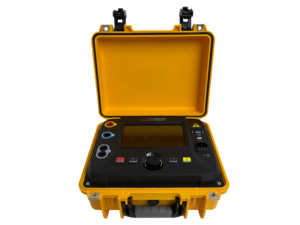
Click the picture to know more about Wrindu New IR Tester.
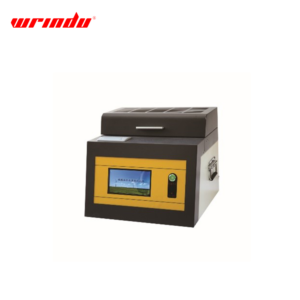
Click the picture to know more about Wrindu Oil Condition Monitoring Tester.
Common Questions About Oil-Filled Cable Commissioning Tests
Q1: Why is pre-energization testing important for oil-filled cables?
A1: Pre-energization testing is essential to check the cable’s integrity, insulation resistance, and continuity before it is energized. This helps avoid potential failures after installation.
Q2: What should I look for during the IEC checks?
A2: During IEC checks, ensure the cable passes the visual inspection, has stable oil pressure, and shows no partial discharge activity, indicating a healthy insulation system.
Q3: How do I know if the cable passes the dielectric test?
A3: If the dielectric test passes, the insulation will show no breakdown when subjected to high voltage. The insulation resistance should remain within the acceptable range.
Q4: How often should cable commissioning tests be performed?
A4: Cable commissioning tests should be performed during installation and whenever the cable system is brought online for the first time or after maintenance.
