

Which Insulating Oil Is Better for Transformers Today?
Learn the key differences between mineral oil and synthetic ester in transformers. Compare safety, moisture tolerance, environmental impact, and cost to choose the best insulating oil for your power system.
When choosing transformer insulation fluid, engineers often compare mineral oil and synthetic ester. Both are widely used, but they differ in safety, performance, cost, and environmental impact. Understanding these differences helps you select the right oil for your power system.
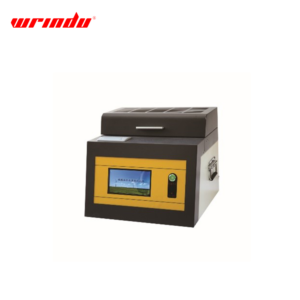
Click the image to know more about Wrindu BDV Tester.
What Is Mineral Oil in Transformers?
Mineral oil is a petroleum-based insulating fluid. It has been used for decades due to its low cost and good electrical insulation properties.
Key features:
- Good dielectric strength
- Effective cooling performance
- Widely available and affordable
However, it is flammable and less environmentally friendly compared to newer alternatives.
What Is Synthetic Ester Oil?
Synthetic ester is a man-made insulating fluid designed to improve safety and sustainability.
Key features:
- High fire point (safer in case of faults)
- Biodegradable and environmentally friendly
- Better moisture tolerance
Although it costs more, it offers improved performance in demanding conditions.
How Do They Compare in Safety?
Safety is one of the biggest differences.
- Mineral oil has a lower flash point, meaning it can catch fire more easily.
- Synthetic ester has a much higher fire point, making it ideal for indoor transformers, urban areas, and critical infrastructure.
If fire risk is a concern, synthetic ester is usually the better choice.
Which Oil Performs Better Under Moisture?
Moisture affects insulation life significantly.
- Mineral oil has low moisture tolerance, so even small amounts of water can reduce insulation strength.
- Synthetic ester can absorb more moisture without losing performance, helping extend transformer life.
This makes synthetic ester suitable for humid environments or aging transformers.
What About Environmental Impact?
Environmental regulations are becoming stricter worldwide.
- Mineral oil is not biodegradable and can contaminate soil and water if leaked.
- Synthetic ester is biodegradable, making it safer for the environment.
For eco-sensitive areas, synthetic ester is often required.
How Do Costs Compare?
Cost is still an important factor:
- Mineral oil: lower initial cost, widely used
- Synthetic ester: higher upfront cost but lower long-term risk
While synthetic ester is more expensive, it can reduce fire protection costs and maintenance expenses over time.
Which Oil Is Better for Modern Power Systems?
It depends on your application:
- Choose mineral oil for cost-sensitive, standard outdoor installations
- Choose synthetic ester for high-safety, environmentally sensitive, or indoor applications
Many utilities today are gradually shifting toward ester-based fluids for long-term reliability and compliance.
Why Is Oil Testing Essential Regardless of Type?
No matter which oil you use, regular testing is critical to ensure performance and safety.
Key tests include:
- Breakdown Voltage (BDV)
- Moisture content
- Dissolved gas analysis (DGA)
- Acidity and dielectric loss
Routine testing helps detect problems early and prevents costly failures.
How Wrindu Testers Stand Out
Wrindu provides advanced transformer oil testing solutions designed for both mineral oil and synthetic ester analysis.
Key advantages:
- High-precision measurement for BDV and moisture
- Reliable performance in field and laboratory conditions
- User-friendly interface for fast diagnostics
- Custom solutions for different oil types and standards
With Wrindu equipment, utilities and engineers can ensure accurate testing and better decision-making for transformer maintenance.
FAQs About Mineral Oil and Synthetic Ester
What is the main difference between mineral oil and synthetic ester?
Mineral oil is petroleum-based, while synthetic ester is man-made and offers better safety and environmental performance.
Is synthetic ester always better than mineral oil?
Not always. It depends on budget, application, and safety requirements. Synthetic ester is better for high-risk or eco-sensitive areas.
Can synthetic ester extend transformer life?
Yes. Its higher moisture tolerance helps protect insulation, which can extend transformer lifespan.
Why is mineral oil still widely used?
Because it is cost-effective, widely available, and performs well in standard conditions.
Do both oils require regular testing?
Yes. Regular testing is essential to monitor insulation performance and detect faults early.
Final Thoughts
Choosing between mineral oil and synthetic ester is not just about cost—it’s about safety, performance, and long-term reliability. By understanding their differences and using the right testing tools, you can optimize your transformer system and reduce operational risks.
