

Types of Transformer Oil Explained: Mineral, Vegetable, Silicone & Ester Oil Comparison
Learn about different insulating oil types and transformer oil classification, including mineral, vegetable, silicone, and synthetic ester oils. Discover their advantages, applications, and how Wrindu oil testing equipment ensures reliable transformer performance.
Transformer oil plays a critical role in electrical systems by providing insulation, cooling, and arc suppression. However, not all oils are the same. Understanding different insulating oil types and transformer oil classification helps engineers select the most suitable option for performance, safety, and environmental requirements.
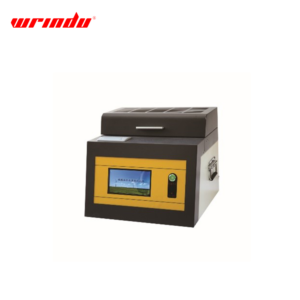
Click the image to know more about Wrindu BDV Tester.
What Are the Main Types of Insulating Oil?
Transformer insulating oils can be broadly classified into four major categories:
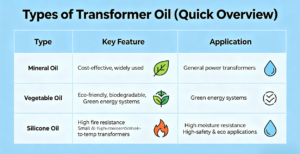
1. Mineral Oil
Mineral oil is the most widely used traditional transformer oil derived from petroleum refining.
Key characteristics:
- Excellent dielectric strength
- Good cooling performance
- Cost-effective and widely available
Types of mineral oil:
- Naphthenic oil transformer (better low-temperature performance)
- Paraffinic oil (better oxidation stability)
2. Vegetable Oil (Natural Ester)
Vegetable-based oils are derived from renewable sources such as soybean or rapeseed.
Key characteristics:
- Biodegradable and environmentally friendly
- High fire point (safer for urban installations)
- Strong moisture tolerance
3. Silicone Oil
Silicone transformer oil is a synthetic fluid designed for high safety applications.
Key characteristics:
- Extremely high fire resistance
- Excellent thermal stability
- Long service life
4. Synthetic Ester Oil
Synthetic esters are chemically engineered fluids designed to combine performance and environmental benefits.
Key characteristics:
- High biodegradability
- Superior oxidation stability
- Longer lifespan than mineral oil
Mineral Transformer Oil: Pros and Cons
Mineral oil remains dominant in power systems, but it has both advantages and limitations.
Advantages
- Low cost and easy availability
- Proven performance in various voltage levels
- Good dielectric properties
Disadvantages
- Flammable with relatively low fire point
- Poor biodegradability
- Sensitive to moisture and oxidation
👉 Why testing matters:
Over time, mineral oil degrades due to heat, oxygen, and contamination. Regular testing such as BDV, moisture content, and acidity is essential to ensure safe operation and extend transformer life.
Vegetable Oil vs Mineral Oil: Which Is Better?
Vegetable Transformer Oil
- Renewable and biodegradable
- Higher fire safety
- Better moisture absorption capability
Mineral Transformer Oil
- Lower cost
- Easier handling and replacement
- More established in legacy systems
Key Comparison
| Feature | Vegetable Oil | Mineral Oil |
|---|---|---|
| Fire Point | High | Low |
| Environmental Impact | Eco-friendly | Polluting |
| Cost | Higher | Lower |
| Moisture Tolerance | Better | Limited |
Conclusion:
Vegetable oil is ideal for environmentally sensitive areas, while mineral oil remains practical for cost-driven projects.
Silicone Oil Transformer Applications
Silicone oil is typically used in special environments where fire safety is critical.
Common applications:
- Indoor transformers (hospitals, buildings)
- Underground substations
- Railways and metros
- High-risk fire zones
Its high fire point oil characteristic makes it one of the safest insulating fluids available, though it comes at a higher cost.
Synthetic Ester Transformer Oil Advantages
Synthetic ester oil is gaining popularity as a high-performance alternative.
Key benefits:
- Excellent thermal and oxidation stability
- Longer service life reduces maintenance cost
- Environmentally friendly and biodegradable
- High flash and fire point
These oils are often referred to as eco transformer oil due to their balance of safety and sustainability.
How Wrindu Testers Stand Out
Selecting the right oil is only part of the solution—accurate testing is critical for long-term reliability.
Wrindu provides advanced oil testing solutions designed for field and laboratory use:
Key advantages:
- High-precision BDV (Breakdown Voltage) testing
- Accurate moisture and dielectric loss measurement
- Portable and easy-to-use designs for on-site testing
- Stable performance under harsh environments
- Fast data processing for maintenance decision-making
Wrindu testers help utilities:
- Detect early oil degradation
- Reduce transformer failure risk
- Optimize maintenance schedules
- Lower operational and energy costs
FAQs: Transformer Oil Types and Applications
Q1: What is the most commonly used insulating oil in transformers?
A: Mineral oil is the most widely used due to its low cost and reliable performance.
Q2: Why is biodegradable transformer oil important?
A: Biodegradable oils like vegetable and synthetic esters reduce environmental impact and are safer in case of leaks.
Q3: Which transformer oil has the highest fire point?
A: Silicone oil and synthetic ester oils have significantly higher fire points than mineral oil, making them safer for indoor use.
Q4: Can vegetable oil replace mineral oil in existing transformers?
A: In some cases, yes—but compatibility, sealing materials, and design conditions must be evaluated before replacement.
Q5: How often should transformer oil be tested?
A: Typically every 6–12 months, depending on load conditions and operating environment.
Q6: What are the key tests for transformer oil condition?
A:
- Breakdown Voltage (BDV)
- Moisture content
- Acidity (TAN)
- Dissolved Gas Analysis (DGA)
Q7: Which oil is best for eco-friendly transformer design?
A: Synthetic ester oil is often considered the best balance between performance, safety, and environmental protection.
Final Thoughts
Understanding different insulating oil types is essential for selecting the right solution for your transformer system. Whether prioritizing cost, safety, or sustainability, each oil type offers unique benefits.
Combined with reliable testing solutions like Wrindu’s advanced oil analyzers, you can ensure optimal transformer performance, longer lifespan, and reduced operational risk.
