

How to Test Dielectric Strength of Insulating Oil
Learn how to test the dielectric strength of insulating oil using BDV testing methods. Discover procedures, standards, and tips to ensure accurate transformer oil analysis and safety.
Testing the dielectric strength of insulating oil is one of the most critical procedures in transformer maintenance. It determines the oil’s ability to withstand electrical stress without breaking down—directly impacting transformer safety and reliability.
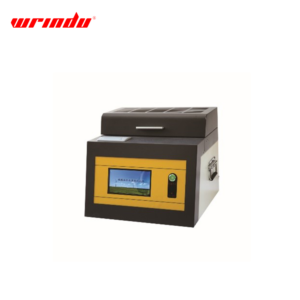
Click the image to know more about Wrindu BDV Tester.
What Is Dielectric Strength in Insulating Oil?
Dielectric strength refers to the maximum voltage that insulating oil can withstand before electrical breakdown occurs. It is commonly measured through the breakdown voltage (BDV) test, expressed in kilovolts (kV).
A higher dielectric strength indicates:
- Better insulation performance
- Lower contamination levels
- Safer transformer operation
How to Test Dielectric Strength of Insulating Oil?
The oil dielectric strength test follows standardized procedures (such as IEC 60156 or ASTM D1816) to ensure accuracy and repeatability.
Step-by-Step Testing Procedure
1. Sample Collection
- Collect oil samples in clean, dry, and airtight containers
- Avoid exposure to moisture, dust, or air
2. Prepare the Test Equipment
- Use a calibrated BDV tester
- Clean the test cell and electrodes thoroughly
- Ensure proper electrode gap (typically 2.5 mm)
3. Conduct the Breakdown Voltage Test
- Fill the test cell with the oil sample
- Apply increasing voltage at a controlled rate
- Record the voltage at which breakdown occurs
4. Repeat the Test
- Perform at least 5–6 breakdown tests
- Calculate the average value for accuracy
5. Analyze the Results
- Compare results with standard values
- Identify contamination or degradation issues
What Factors Affect Dielectric Strength?
Several factors can significantly impact test results:
1. Moisture Content
Even small amounts of water drastically reduce dielectric strength.
2. Solid Contaminants
Dust and particles create weak points in insulation.
3. Oil Aging
Oxidation and chemical degradation lower performance.
4. Temperature
Higher temperatures may affect test consistency.
Recommended Testing Equipment
👉 Wrindu BDV Tester
- High precision voltage control
- Automatic test sequences
- Stable and repeatable results
- Portable for on-site use
Using advanced equipment ensures reliable diagnostics and better maintenance decisions.
How Wrindu Testers Stand Out
Wrindu provides professional-grade transformer oil testing solutions designed for both field and laboratory environments.
Key Advantages
- High Accuracy: Precise breakdown voltage measurement with minimal deviation
- Automation: Reduces human error and improves consistency
- User-Friendly Interface: Easy setup and operation
- Portable Design: Ideal for on-site transformer testing
- Durability: Reliable performance in demanding environments
Value for Users
- Detect early insulation issues
- Prevent unexpected transformer failures
- Optimize maintenance planning
- Extend transformer service life
Wrindu testers help engineers move from reactive maintenance to predictive diagnostics.
FAQs: Dielectric Strength Testing of Insulating Oil
Q1: What is a good dielectric strength value for transformer oil?
A: Typically above 30 kV for new or properly maintained oil, but exact values depend on standards and application.
Q2: How often should dielectric strength be tested?
A: Every 6–12 months, or more frequently for critical transformers.
Q3: Why does dielectric strength decrease over time?
A: Due to moisture, contamination, oxidation, and thermal stress.
Q4: Can low dielectric strength be improved?
A: Yes, through oil purification processes such as filtration and dehydration.
Q5: What is the standard electrode gap in BDV testing?
A: Usually 2.5 mm, depending on the testing standard used.
Q6: How many times should the BDV test be repeated?
A: Typically 5–6 times, with the average value taken as the final result.
Q7: What is the main purpose of dielectric strength testing?
A: To evaluate the insulating performance of oil and ensure safe transformer operation.
Final Thoughts
Dielectric strength testing is a fundamental part of transformer oil analysis. By following proper procedures and using reliable equipment like Wrindu BDV testers, engineers can accurately assess oil condition and prevent costly failures.
Regular testing, combined with proactive maintenance, ensures long-term transformer safety, efficiency, and performance.
