

What Are Standard Methods for Oil Breakdown Voltage Test
Learn standard methods for oil breakdown voltage testing, including IEC 60156, ASTM D1816, and ASTM D877. Understand procedures, accuracy differences, and transformer oil testing best practices.
The oil breakdown voltage test (BDV test) is one of the most important methods used to evaluate the dielectric strength of insulating oil. It helps determine whether transformer oil can safely withstand electrical stress without failure. Understanding the standard methods for oil breakdown voltage testing is essential for accurate diagnostics and reliable transformer operation.
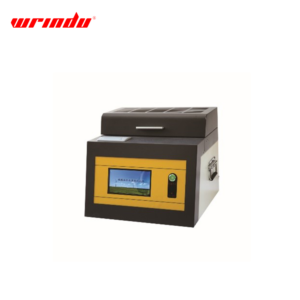
Click the image to know more about Wrindu BDV Tester.
What Is the Oil Breakdown Voltage Test?
The breakdown voltage test measures the maximum voltage that insulating oil can withstand before electrical failure occurs. It is a direct indicator of oil quality and insulation performance.
A higher breakdown voltage means:
- Better insulation capability
- Lower contamination levels
- Higher transformer safety
Standard Methods for Oil Breakdown Voltage Test
There are internationally recognized standards used for BDV testing to ensure consistency and accuracy.
1. IEC 60156 Standard Method
The IEC 60156 is the most widely used international standard for transformer oil testing.
Key Features:
- Uses AC voltage at 50/60 Hz
- Standard electrode gap: 2.5 mm
- Voltage rise rate: controlled and uniform
- Multiple test cycles (usually 5–6 times)
Procedure Summary:
- Fill test cell with oil sample
- Apply gradually increasing voltage
- Record breakdown point
- Repeat and calculate average value
2. ASTM D1816 Method
This method is commonly used in North America and focuses on higher sensitivity testing.
Key Features:
- Two electrode gap options (1 mm or 2 mm)
- Better detection of low contamination levels
- Suitable for aged or sensitive oils
Procedure Summary:
- Similar to IEC method but with different electrode spacing
- More sensitive to moisture and particle contamination
3. ASTM D877 Method
A simpler and older method used for general screening.
Key Features:
- Fixed electrode gap (2.5 mm)
- Less sensitive to fine contamination
- Faster but less precise than D1816
Key Factors Affecting Test Accuracy
1. Moisture Content
Even trace amounts of water significantly reduce breakdown voltage.
2. Contaminants
Dust, carbon particles, and fibers lower insulation performance.
3. Temperature Conditions
Oil temperature affects viscosity and electrical behavior.
4. Electrode Condition
Dirty or misaligned electrodes can distort results.
Why Standardization Matters
Using standardized methods ensures:
- Reliable and comparable test results
- Accurate transformer condition assessment
- Compliance with international maintenance standards
- Improved safety and failure prevention
How Wrindu Testers Stand Out
Wrindu provides advanced BDV testing solutions designed for high accuracy and field reliability.
Key Advantages
- Multi-standard Support: Compatible with IEC, ASTM testing methods
- High Precision Measurement: Stable and repeatable breakdown voltage results
- Automatic Operation: Reduces manual errors and improves efficiency
- Portable Design: Suitable for on-site transformer testing
- Fast Testing Cycle: Improves maintenance productivity
Engineering Value
- Detect early insulation degradation
- Improve transformer reliability
- Support predictive maintenance strategies
- Reduce unexpected failure risks
Wrindu testers are designed to help engineers achieve accurate diagnostics under real-world conditions.
FAQs: Oil Breakdown Voltage Test Standards
Q1: What is the most common standard for oil BDV testing?
A: IEC 60156 is the most widely used international standard for transformer oil breakdown voltage testing.
Q2: What is the electrode gap in IEC 60156 testing?
A: The standard electrode gap is 2.5 mm.
Q3: Why are multiple test results needed in BDV testing?
A: To improve accuracy by reducing the impact of random contamination or measurement variation.
Q4: Which method is more sensitive, ASTM D1816 or D877?
A: ASTM D1816 is more sensitive and better for detecting low-level contamination.
Q5: How many times should the oil breakdown test be repeated?
A: Typically 5–6 times, and the average value is used as the final result.
Q6: What causes low breakdown voltage in transformer oil?
A: Moisture, particles, aging, and oxidation are the main causes.
Q7: Can BDV test results vary between standards?
A: Yes, because different standards use different electrode gaps and testing sensitivities.
Final Thoughts
The oil breakdown voltage test is a critical method for evaluating transformer oil condition. By following standardized procedures such as IEC and ASTM methods, engineers can ensure accurate and reliable results.
With advanced solutions like Wrindu BDV testers, utilities can achieve higher testing precision, better maintenance decisions, and improved transformer safety.
