

How Often Should Transformer Oil Be Tested
Learn how often transformer oil should be tested for reliable performance. Discover recommended testing intervals, key factors, essential tests, and how Wrindu testers improve oil condition monitoring.
Transformer oil is the lifeblood of electrical equipment, providing both insulation and cooling. But even the best oil degrades over time due to heat, moisture, and oxidation. This raises a critical question: how often should transformer oil be tested to ensure reliability and safety?
Why Is Regular Transformer Oil Testing Necessary?
Transformer oil condition directly impacts:
- Insulation strength
- Heat dissipation efficiency
- Equipment lifespan
- Risk of failure or outage
👉 Without regular testing, hidden issues like moisture contamination or insulation degradation can lead to unexpected breakdowns.
How Often Should Transformer Oil Be Tested?
The testing frequency depends on several factors, but general guidelines are:
1. Routine Testing (Standard Conditions)
- Every 6 to 12 months
- Suitable for stable environments and normal load conditions
2. Critical Transformers
- Every 3 to 6 months
- Recommended for:
- High-voltage transformers
- Power plants and substations
- Mission-critical infrastructure
3. Newly Installed Transformers
- Initial testing after commissioning
- Follow-up testing within the first year
4. Aging Transformers (10+ Years)
- More frequent testing (every 3–6 months)
- Due to increased risk of insulation degradation
5. After Faults or Abnormal Events
- Immediate testing required after:
- Overloading
- Short circuits
- Temperature spikes
👉 Event-based testing is just as important as scheduled maintenance.
What Factors Affect Testing Frequency?
Several variables influence how often oil should be tested:
Load Conditions
Heavy loading accelerates oil degradation.
Environmental Factors
Humidity, dust, and temperature fluctuations increase contamination risk.
Oil Type
- Mineral oil: Requires more frequent monitoring
- Ester oil: Better moisture tolerance, but still needs testing
Transformer Design
Sealed transformers may need less frequent testing compared to open-breathing designs.
What Tests Should Be Performed Regularly?
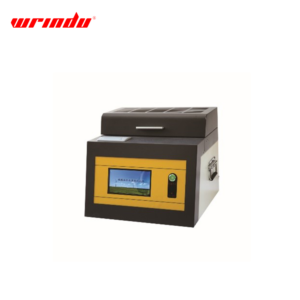
Click the image to know more about Wrindu BDV Tester.
Key transformer oil tests include:
- Breakdown Voltage (BDV) – measures dielectric strength
- Moisture Content – critical for insulation performance
- Acidity (Neutralization Number) – indicates oil aging
- Dissolved Gas Analysis (DGA) – detects internal faults
- Dielectric Loss (tan δ) – shows insulation quality
👉 A combination of these tests provides a complete picture of oil health.
Can You Rely on Condition-Based Testing Instead?
Yes—many utilities are moving toward condition-based maintenance (CBM).
Instead of fixed schedules, testing is based on:
- Real-time monitoring
- Historical data trends
- Risk assessment
👉 This approach improves efficiency and reduces unnecessary testing while maintaining safety.
What Happens If Transformer Oil Is Not Tested Regularly?
Skipping oil testing can lead to:
- Reduced dielectric strength
- Increased risk of partial discharge
- Accelerated insulation aging
- Unexpected transformer failure
👉 The cost of failure is far higher than routine testing.
How Wrindu Testers Stand Out
Accurate and efficient testing is key to maintaining transformer reliability. Wrindu testers are designed to meet modern utility needs.
1. High Accuracy and Reliability
Wrindu equipment ensures precise measurement of:
- Breakdown Voltage (BDV)
- Moisture content
- Dielectric loss
2. Fast On-Site Testing
- Portable and easy to use
- Rapid test results
- Ideal for substation environments
3. Multi-Parameter Analysis
- Combines multiple tests in one system
- Reduces equipment cost and complexity
4. Smart Data Management
- Trend analysis and reporting
- Predictive maintenance support
- Helps optimize testing intervals
👉 Wrindu enables utilities to shift from routine checks to data-driven maintenance strategies.
FAQs (Long-Tail Questions)
Q1: How often should transformer oil be tested in substations?
Typically every 6–12 months, but critical substations may require testing every 3–6 months.
Q2: What is the minimum testing frequency for transformer oil?
At least once a year under normal operating conditions.
Q3: Should new transformer oil be tested?
Yes. Testing should be done before commissioning and during the first year of operation.
Q4: Does ester oil require less frequent testing than mineral oil?
Ester oil is more moisture-tolerant, but regular testing is still necessary for reliability.
Q5: What is the most important transformer oil test?
Breakdown Voltage (BDV) is one of the most critical tests for assessing insulation strength.
Q6: Can transformer oil testing prevent failures?
Yes. Early detection of issues allows for corrective actions before major failures occur.
Q7: What happens if transformer oil is not tested?
It can lead to insulation failure, reduced performance, and costly equipment damage.
Conclusion
There is no single answer to how often transformer oil should be tested—it depends on operating conditions, transformer criticality, and oil type. However, regular testing—combined with condition-based monitoring—is essential for ensuring safe, reliable, and efficient operation.
👉 With advanced solutions like Wrindu testers, utilities can improve accuracy, reduce risks, and move toward smarter maintenance strategies.
