

Why Does a Circuit Breaker Trip?Common Causes, Faults & Troubleshooting Guide
Discover the most common causes of circuit breaker tripping, including overload, short circuit, leakage current, undervoltage, and overvoltage. Learn simple troubleshooting methods and explore Wrindu electrical testing solutions for safer power system maintenance.
Circuit breakers are designed to protect electrical systems, equipment, and users from dangerous electrical faults. When a circuit breaker trips, it automatically cuts off power to prevent overheating, fire, equipment damage, or electric shock.
Understanding why a breaker trips can help engineers, electricians, and homeowners quickly identify the problem and restore power safely. This article explains the most common reasons for circuit breaker tripping and how to troubleshoot each situation.
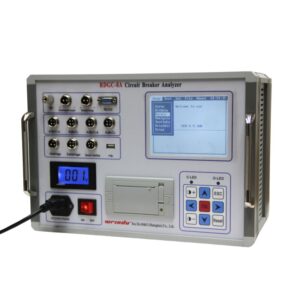
Click the image to know more about Circuit Breaker Comprehensive Tester.
What Does It Mean When a Circuit Breaker Trips?
A circuit breaker trips when it detects abnormal electrical conditions in a circuit. The breaker immediately disconnects the power supply to protect cables, appliances, and people from electrical hazards.
Modern circuit breakers can respond to several types of faults, including:
- Overload
- Short circuit
- Leakage current
- Undervoltage
- Overvoltage
Each type of fault requires a different troubleshooting method.
Why Does an Overloaded Circuit Breaker Trip?
Overload is one of the most common causes of breaker tripping.
An overload occurs when the current flowing through the circuit exceeds the breaker’s rated capacity. For example, if a breaker is rated for 16A and the circuit current rises above this value, the breaker will trip automatically.
The breaker rating is selected based on the safe current capacity of:
- Electrical wires
- Sockets
- Switches
- Connected appliances
If too many high-power devices operate at the same time, the total load may exceed the safe limit.
Common Signs of Overload
- Breaker trips after several appliances are turned on
- Wires or plugs feel warm
- Lights dim when equipment starts
- Breaker resets normally after reducing the load
How to Fix Overload Problems
- Disconnect unnecessary appliances
- Avoid using multiple high-power devices together
- Redistribute loads to different circuits
- Upgrade the circuit if additional capacity is needed
What Causes a Short Circuit in a Breaker?
A short circuit is a severe electrical fault that creates extremely high current flow.
This usually happens when the live wire directly contacts the neutral wire or ground without passing through a load. The sudden surge of current can damage electrical equipment instantly and may create sparks, smoke, or fire hazards.
Because of the danger involved, the breaker should remain OFF until the fault is repaired.
Common Signs of a Short Circuit
- Burn marks on plugs or sockets
- Sparks from outlets
- Burning smell
- Breaker trips immediately after reset
- Breaker still trips even when appliances are unplugged
How to Troubleshoot a Short Circuit
- Disconnect all devices from the circuit
- Inspect sockets and plugs for damage
- Check wiring insulation
- Replace burnt components
- Use professional testing equipment for fault location
How Does Leakage Current Cause Breaker Tripping?
Leakage current occurs when electricity flows outside the intended path, often through damaged insulation or moisture.
Many modern circuit breakers include a leakage protection function, commonly called an RCCB or leakage protector. When leakage current exceeds the safety threshold, the breaker trips automatically to prevent electric shock.
How to Identify Leakage Tripping
Most leakage protection devices include a reset or test button.
When leakage occurs:
- The reset button may pop out
- The breaker cannot be closed until reset
- The breaker trips repeatedly during humid conditions
Common Causes of Leakage
- Damaged cable insulation
- Water ingress
- Aging electrical equipment
- Ground faults
- Poor installation
How to Solve Leakage Problems
- Inspect cables and terminals
- Dry wet electrical equipment
- Replace damaged insulation
- Test grounding resistance
- Perform insulation resistance testing
Why Does Low Voltage Cause Circuit Breaker Tripping?
Some breakers use an undervoltage release accessory. This device automatically trips the breaker when voltage drops below a safe operating level.
Low voltage can force electrical equipment to draw excessive current, causing overheating and equipment damage.
Where Are Undervoltage Releases Used?
Undervoltage protection is commonly installed in:
- Industrial power systems
- Factories
- Motor control circuits
- Areas with unstable utility voltage
Signs of Undervoltage Tripping
- Breaker trips during power fluctuations
- Reset button pops out
- Equipment stops during voltage dips
What Should You Do?
- Wait for voltage to stabilize
- Check power supply quality
- Inspect transformer output
- Test incoming voltage levels
Can High Voltage Make a Circuit Breaker Trip?
Yes. Some circuit breakers include over-under voltage protection.
If the supply voltage rises above the safe limit, the breaker trips automatically to protect connected equipment from insulation damage and overheating.
Symptoms of Overvoltage Problems
- Frequent tripping during unstable grid conditions
- Electrical equipment overheating
- Flashing lights
- Damage to sensitive electronics
How to Handle Overvoltage Faults
- Monitor voltage stability
- Install surge protection devices
- Inspect power distribution systems
- Wait until voltage returns to normal before resetting the breaker
How Can You Tell Why a Circuit Breaker Tripped?
The cause can often be identified by observing the breaker condition and surrounding equipment.
| Symptom | Possible Cause |
|---|---|
| Trips after many devices run together | Overload |
| Sparks or burn marks | Short circuit |
| Reset button pops out | Leakage or voltage fault |
| Trips during rainy weather | Leakage |
| Trips during unstable utility supply | Under/Overvoltage |
Using electrical testing equipment can greatly improve troubleshooting accuracy.
Why Is Circuit Breaker Testing Important?
Routine testing helps identify hidden problems before they become dangerous failures.
Proper testing can help detect:
- Insulation deterioration
- Loose connections
- Voltage instability
- Leakage current
- Contact resistance increase
Preventive maintenance improves electrical safety and system reliability.
How Wrindu Testers Stand Out
Wrindu provides professional electrical testing equipment designed for power utilities, substations, factories, and maintenance teams.
Advantages of Wrindu Testers
- High testing accuracy
- Stable measurement performance
- User-friendly operation
- Durable industrial design
- Fast fault diagnosis
- Suitable for field and laboratory testing
Wrindu offers testing solutions for:
- Circuit breaker testing
- Transformer testing
- Insulation resistance testing
- Contact resistance testing
- Relay protection testing
- High-voltage testing
These instruments help engineers quickly locate faults and improve electrical system safety.
FAQs
Why does my circuit breaker trip immediately after resetting?
Immediate tripping usually indicates a short circuit or severe leakage fault. Inspect wiring, outlets, and connected appliances before resetting again.
Can too many appliances cause a breaker to trip?
Yes. Running multiple high-power devices on one circuit can create an overload condition that exceeds the breaker rating.
What is the difference between overload and short circuit?
An overload develops gradually when current exceeds the rated value, while a short circuit creates an extremely high fault current instantly.
Why does the breaker trip during rainy weather?
Moisture can damage insulation and create leakage current paths, causing leakage protection devices to trip.
Is it dangerous to keep resetting a tripped breaker?
Yes. Repeated resetting without fixing the fault may damage equipment or create fire and shock hazards.
How do electricians test circuit breaker faults?
They use specialized electrical test equipment to measure insulation resistance, contact resistance, voltage stability, and leakage current.
Can low voltage damage electrical equipment?
Yes. Low voltage may increase operating current, causing motors and appliances to overheat.
When should a circuit breaker be replaced?
A breaker should be replaced if it overheats, fails to reset properly, trips without load, or shows physical damage.
