

How to Improve the Efficiency of Isolation Transformers in Power Systems
Learn how to improve isolation transformer efficiency by reducing core losses, copper losses, harmonics, and overheating. Explore optimization methods, maintenance tips, and how Wrindu testing equipment helps enhance transformer performance and energy savings.
Isolation transformers are widely used to improve electrical safety, stabilize voltage, and reduce noise interference. However, their efficiency can decline over time due to poor loading conditions, aging components, or improper system design.
Improving transformer efficiency not only reduces energy loss but also enhances system stability and extends equipment lifespan.
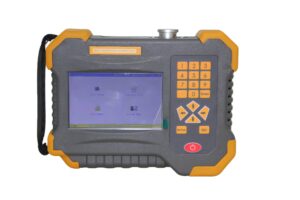
Click the image to know more about Battery Impedance Tester.
What Does Transformer Efficiency Mean?
Transformer efficiency refers to how effectively electrical energy is transferred from the primary winding to the secondary winding with minimal losses.
Efficiency Formula:
ulation resistance testing
- Load and no-load loss measurement
- Winding resistance testing
- Thermal performance monitoring
- Power quality analysis
These tests help engineers optimize operating conditions.
How Wrindu Testers Stand Out
Wrindu provides advanced electrical testing equipment designed for transformer efficiency analysis and power system optimization.
Key Advantages:
- High-precision measurement accuracy
- Stable performance in field conditions
- Fast and reliable testing results
- Easy operation for engineers
- Suitable for industrial and utility applications
Wrindu solutions are widely used for:
- Transformer efficiency evaluation
- Loss measurement testing
- Electrical fault diagnosis
- Power system optimization
- Preventive maintenance programs
These tools help engineers improve transformer performance and reduce energy waste.
FAQs
What is the most important factor affecting transformer efficiency?
Load condition is the most critical factor affecting efficiency.
Can harmonics reduce transformer efficiency?
Yes. Harmonics increase losses and cause additional heating.
How often should transformer efficiency be tested?
Typically during scheduled maintenance or annual inspections.
Does overloading reduce efficiency?
Yes. Overloading increases losses and reduces operational efficiency.
Can cooling systems improve efficiency?
Yes. Better cooling reduces resistance and energy loss.
What is no-load loss in transformers?
It is the energy loss that occurs even when no load is connected.
Why is testing important for efficiency improvement?
Testing helps identify hidden losses and optimize system performance.
Can efficiency be improved in existing transformers?
Yes. Through load optimization, maintenance, and system upgrades.
