

Which Sealing Materials Are Best for High-Voltage Electrical Equipment
Explore the best HV sealing materials for high-voltage equipment, including silicone seals, Viton gaskets, and advanced polymer solutions. Learn how sealing technology improves leak resistance, insulation stability, and durability in transformers, cables, and electrical testing systems from Wrindu.
Sealing materials play a critical role in determining the reliability, safety, and long-term performance of high-voltage electrical equipment. In environments such as substations, transformer stations, cable testing systems, and industrial control cabinets, sealing components must withstand moisture, pressure changes, heat, and chemical exposure.
A failure in sealing materials can allow contaminants to enter equipment, leading to insulation degradation, leakage current increase, and potential electrical breakdown. Therefore, selecting the right HV sealing materials is essential for maintaining operational stability.
This article explores commonly used sealing materials, their performance characteristics, and how they contribute to high-voltage equipment reliability.
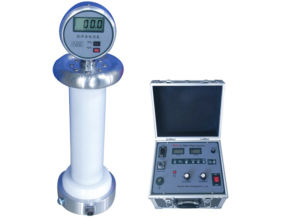
Click the image to know more about DC Withstand Voltage Tester.
Why Are Sealing Materials So Important in High-Voltage Systems?
High-voltage equipment operates under continuous electrical stress and environmental exposure. Seals act as the first protective barrier against external intrusion.
Poor sealing performance may lead to:
- Moisture ingress into insulation systems
- Dust accumulation on conductive surfaces
- Oil leakage in transformer assemblies
- Corrosion of internal components
- Reduced dielectric performance
- Unexpected electrical faults
High-quality sealing materials ensure stable operation in both indoor and outdoor power infrastructure.
What Are the Most Common HV Sealing Materials Used in Electrical Equipment?
Different sealing materials are used depending on temperature range, chemical exposure, and mechanical stress conditions.
Key Sealing Material Categories
| Material Type | Main Feature | Typical Application |
|---|---|---|
| Silicone elastomers | High flexibility and temperature stability | Outdoor HV enclosures |
| Fluorocarbon rubber (Viton-type) | Strong chemical and oil resistance | Transformer interfaces |
| EPDM rubber | Excellent weather resistance | Cable systems |
| Polyurethane compounds | High abrasion resistance | Industrial housings |
| Fluorosilicone blends | Combined chemical and temperature resistance | Precision electrical sealing |
Each material offers different advantages depending on system requirements.
Why Are Silicone Seals Widely Used in Electrical Equipment?
Silicone-based sealing systems are commonly used in high-voltage applications due to their stable performance across a wide temperature range.
Advantages of Silicone Seals
- Maintains elasticity in extreme temperatures
- Resistant to UV radiation and ozone exposure
- Good compression recovery performance
- Stable dielectric insulation properties
- Long service life in outdoor environments
Silicone seals are frequently used in cable testing devices, HV diagnostic instruments, and outdoor electrical enclosures where temperature variation is significant.
What Makes Viton Gaskets Suitable for High-Voltage Applications?
Viton-type fluorocarbon materials are widely used in demanding electrical environments where chemical and oil resistance is required.
Key Benefits of Viton Gaskets
- Excellent resistance to transformer oil and lubricants
- High thermal stability under continuous load
- Strong resistance to chemical corrosion
- Low permeability to gases and vapors
- Long-term mechanical stability
These properties make Viton gaskets ideal for transformer housings, oil-filled equipment, and industrial electrical systems exposed to harsh chemical environments.
How Do Sealing Materials Impact Electrical Insulation Performance?
Sealing materials are not only mechanical components—they directly influence insulation reliability.
If sealing performance degrades:
- Moisture can penetrate insulation layers
- Surface tracking may occur
- Partial discharge activity may increase
- Leakage current may rise
- Dielectric strength may decrease
High-quality sealing materials help maintain stable insulation resistance and prevent long-term electrical degradation.
What Environmental Factors Affect HV Sealing Material Performance?
Sealing materials must withstand continuous environmental stress during long-term operation.
Key Environmental Stress Factors
- Temperature cycling between day and night
- High humidity or condensation
- UV radiation exposure
- Industrial pollution and chemicals
- Mechanical vibration from equipment operation
Material aging under these conditions can lead to hardening, cracking, or loss of elasticity, reducing sealing efficiency.
How Are HV Sealing Materials Tested for Reliability?
Manufacturers evaluate sealing performance using multiple engineering test methods.
Common Testing Methods
Compression Set Testing
Measures how well a material recovers after long-term compression.
Thermal Aging Testing
Evaluates performance under prolonged high-temperature exposure.
Chemical Resistance Testing
Assesses resistance to oils, acids, and industrial solvents.
Pressure Sealing Verification
Confirms ability to maintain airtight performance under stress conditions.
These tests ensure that sealing materials perform reliably in real-world high-voltage environments.
How Do Modern Sealing Technologies Improve Leak Resistance?
Advanced sealing systems now combine material science with structural design improvements.
Modern Enhancements Include:
- Multi-layer gasket structures
- Nano-coating surface treatments
- Pressure-equalization sealing designs
- Anti-aging polymer formulations
- Precision-molded sealing interfaces
These innovations help reduce long-term leakage risk in high-voltage equipment.
How Wrindu Testers Stand Out
As a professional manufacturer of electrical testing equipment, Wrindu integrates advanced sealing engineering into its high-voltage testing systems to ensure stable performance in harsh environments.
Key Advantages of Wrindu Equipment
- Industrial-grade sealing structure design
- High-performance silicone and fluorocarbon sealing integration
- Strict enclosure leak resistance verification
- Durable materials for outdoor electrical environments
- Stable operation under humidity and temperature variation
- High reliability for long-term field applications
Wrindu equipment is widely used in:
- Transformer diagnostics
- Cable testing systems
- Substation maintenance
- High-voltage insulation testing
- Electrical safety verification
By combining advanced sealing materials with precise engineering design, Wrindu improves equipment durability and long-term operational reliability.
What Should Buyers Consider When Selecting Sealing Materials?
Selecting appropriate sealing materials requires evaluating both environmental and operational conditions.
Key Selection Criteria
- Temperature operating range
- Exposure to chemicals or oil
- Mechanical compression requirements
- UV and weather resistance
- Electrical insulation stability
- Expected service life
Choosing the correct material significantly improves equipment reliability and reduces maintenance costs.
Conclusion
Sealing materials are a fundamental component in ensuring the safety and reliability of high-voltage electrical equipment. Materials such as silicone seals and Viton gaskets play a key role in preventing environmental intrusion and maintaining insulation performance.
As electrical systems continue operating in increasingly demanding environments, advanced sealing technologies and material innovations will remain essential for long-term equipment stability.
Manufacturers like Wrindu official website continue to develop high-performance sealing solutions integrated into electrical testing equipment to support safer and more reliable power systems worldwide.
FAQs
What are HV sealing materials used for in electrical equipment?
HV sealing materials are used to prevent moisture, dust, and contaminants from entering electrical enclosures and affecting insulation systems.
Why are silicone seals commonly used in outdoor electrical systems?
Silicone seals maintain flexibility across extreme temperatures and provide strong resistance to UV exposure and weather conditions.
What makes Viton gaskets suitable for transformer applications?
Viton gaskets offer excellent resistance to transformer oil, chemicals, and high-temperature conditions, making them ideal for oil-filled equipment.
How do sealing materials affect insulation performance?
Poor sealing can allow moisture ingress, which reduces insulation resistance and increases leakage current in high-voltage systems.
What causes sealing material failure in electrical equipment?
Common causes include thermal aging, UV exposure, chemical corrosion, mechanical stress, and long-term compression deformation.
How are sealing materials tested before industrial use?
They are evaluated through thermal aging tests, compression set tests, chemical resistance tests, and pressure sealing verification.
Can sealing materials improve equipment lifespan?
Yes. High-quality sealing materials significantly reduce environmental damage and extend the operational life of electrical equipment.
Which industries rely heavily on HV sealing materials?
Power utilities, transformer manufacturing, renewable energy systems, rail transit, and industrial automation sectors all rely on high-performance sealing systems.
