

How Are Self-Healing Polymers Transforming Electrical Testing Device Protection
Explore how self-healing polymers, smart sealing materials, and nanocomposite coatings improve durability in electrical testing devices. Learn how advanced material technologies enhance insulation protection, environmental resistance, and long-term reliability in high-voltage equipment from Wrindu.
Self-healing polymers and smart sealing materials are emerging technologies that are changing how electrical testing devices handle mechanical damage, environmental stress, and long-term aging. In high-voltage environments, even micro-cracks in protective layers can gradually lead to moisture intrusion, insulation degradation, and performance instability.
Unlike traditional sealing materials that degrade over time, self-healing polymer systems can automatically repair small defects, helping maintain structural integrity and reducing long-term failure risk in electrical testing equipment.
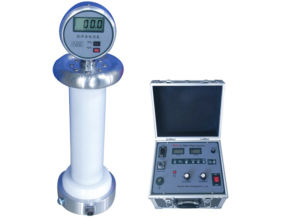
Click the image to know more about DC Withstand Voltage Tester.
Why Do Electrical Testing Devices Need Advanced Protective Materials?
Electrical testing systems operate under repeated exposure to:
- High voltage stress
- Temperature cycling
- Mechanical vibration
- Outdoor humidity
- Chemical contamination
- Dust and particulate exposure
Over time, these conditions can cause:
- Micro-cracks in protective layers
- Surface coating fatigue
- Loss of insulation performance
- Increased leakage pathways
- Reduced environmental sealing efficiency
Advanced materials like smart sealing compounds help reduce these risks by adapting to environmental stress.
What Is a Self-Healing Polymer?
A self-healing polymer is a material designed to automatically repair small structural damage without external intervention.
When micro-cracks occur, the material responds by:
- Rebonding molecular structures
- Activating embedded healing agents
- Reforming surface continuity
- Restoring protective barriers
This capability helps extend the functional lifespan of protective coatings used in electrical testing devices.
How Do Smart Sealing Materials Work in Electrical Equipment?
Smart sealing materials are engineered to respond dynamically to environmental changes.
Core Functional Mechanisms
Stress-Responsive Recovery
Materials adjust their structure when mechanical stress is applied.
Thermal Activation Healing
Heat exposure triggers internal chemical repair reactions.
Microcapsule Release Systems
Healing agents are released when damage occurs.
Elastic Molecular Reconfiguration
Polymer chains realign to close small gaps automatically.
These mechanisms help maintain enclosure integrity even under repeated operational stress.
What Are Nanocomposite Coatings and Why Are They Important?
Nanocomposite coatings are advanced surface protection layers that integrate nanoscale materials into polymer or resin systems.
Key Features of Nanocomposite Coatings
- Enhanced mechanical strength at microscopic scale
- Improved resistance to abrasion and wear
- Strong barrier against moisture penetration
- Increased thermal stability
- Improved chemical resistance
In electrical testing equipment, these coatings act as a secondary protective layer, reinforcing insulation and sealing performance.
How Do These Materials Improve High-Voltage Testing Device Reliability?
Self-healing and nanocomposite technologies enhance equipment durability in multiple ways.
Main Performance Benefits
| Improvement Area | Result |
|---|---|
| Crack resistance | Reduced micro-damage propagation |
| Moisture barrier | Lower risk of internal condensation |
| Surface durability | Longer coating lifespan |
| Electrical insulation stability | Reduced leakage pathways |
| Environmental resistance | Better outdoor performance |
These improvements are particularly valuable in field testing equipment used in substations and outdoor environments.
Where Are Self-Healing Materials Applied in Electrical Systems?
These advanced materials are increasingly used in multiple electrical engineering applications.
Typical Use Cases
- High-voltage insulation testers
- Portable electrical diagnostic devices
- Outdoor monitoring instruments
- Transformer testing systems
- Cable fault detection equipment
- Industrial control enclosures
Their ability to extend service life makes them ideal for equipment exposed to harsh operating conditions.
How Do Environmental Conditions Affect Material Degradation?
Electrical testing devices face continuous environmental stress that accelerates material aging.
Key Environmental Factors
- UV radiation exposure
- Humidity and condensation cycles
- Temperature fluctuations
- Chemical vapor exposure
- Mechanical vibration stress
Without adaptive materials, these conditions can gradually weaken protective coatings and sealing layers.
What Makes Nanocomposite-Based Protection Different from Traditional Coatings?
Traditional coatings provide passive protection, while nanocomposite systems offer enhanced structural performance.
Key Differences
| Feature | Traditional Coating | Nanocomposite Coating |
|---|---|---|
| Strength | Standard | Reinforced at nanoscale |
| Damage resistance | Limited | High resistance to micro-cracks |
| Lifespan | Moderate | Extended durability |
| Environmental protection | Basic | Multi-layer barrier effect |
Nanocomposites significantly improve long-term stability in electrical testing environments.
How Wrindu Testers Stand Out
As a professional manufacturer of electrical testing equipment, Wrindu integrates advanced material engineering concepts into its product design to enhance durability and environmental resistance.
Key Advantages of Wrindu Equipment
- Application of high-performance protective coating systems
- Integration of durable sealing structures for field environments
- Strong resistance to humidity, dust, and thermal stress
- Long-life enclosure protection design
- Stable operation under repeated mechanical stress
- Strict quality control in material selection and testing
Wrindu testing equipment is widely used in:
- Transformer diagnostic systems
- High-voltage insulation testing
- Cable fault detection tools
- Substation maintenance equipment
- Industrial electrical inspection systems
By combining advanced protective materials with robust engineering design, Wrindu improves equipment reliability in demanding field applications.
What Should Buyers Consider When Choosing Smart Sealing Technologies?
Selecting advanced protective materials requires evaluating real operating conditions.
Key Selection Criteria
- Environmental exposure level
- Expected mechanical stress
- Temperature operating range
- Moisture resistance requirements
- Maintenance cycle expectations
- Material compatibility with electrical insulation systems
Choosing appropriate materials helps extend equipment service life and reduce maintenance costs.
Conclusion
Self-healing polymers, smart sealing materials, and nanocomposite coatings represent a new generation of protective technologies for electrical testing devices. These materials significantly improve resistance to environmental stress, reduce micro-damage effects, and enhance long-term insulation stability.
As electrical systems become more complex and demanding, advanced material technologies will play an increasingly important role in ensuring reliable operation and equipment longevity.
Manufacturers like Wrindu official website continue to explore innovative material solutions to improve the durability and performance of high-voltage testing equipment worldwide.
FAQs
What is a self-healing polymer used for in electrical equipment?
It is used to automatically repair micro-cracks in protective layers, improving long-term sealing and insulation performance.
How do smart sealing materials improve equipment durability?
They respond to environmental stress by adjusting or repairing their structure, helping maintain sealing integrity over time.
What are nanocomposite coatings in electrical devices?
They are advanced protective layers that combine nanoscale materials with polymers to improve strength, insulation, and environmental resistance.
Can self-healing materials prevent electrical leakage issues?
They help reduce the formation of micro-cracks that could otherwise become leakage pathways over time.
Where are nanocomposite coatings commonly applied?
They are used in high-voltage testing equipment, outdoor electrical devices, and industrial control systems exposed to harsh environments.
Do smart sealing materials replace traditional gaskets?
Not completely. They are often used together with traditional sealing systems to enhance overall protection.
How long do self-healing materials last?
Their lifespan depends on operating conditions, but they are designed to significantly extend protective coating durability compared to conventional materials.
Are these materials suitable for outdoor substation equipment?
Yes. They are especially useful in environments with high humidity, UV exposure, and temperature fluctuations.
