

How Helium Leak Detection Works in High-Voltage Equipment
Learn how helium leak detection works in high-voltage equipment, including helium leak detector methods, HV equipment leak testing, leak rate measurement, and preventive maintenance solutions from Wrindu.
Helium leak detection is one of the most accurate methods used to identify tiny leaks in sealed electrical systems. In high-voltage equipment, even a small leak can allow moisture, air, or contaminants to enter the system, reducing insulation performance and increasing the risk of failure.
Because helium atoms are extremely small and chemically stable, helium leak testing is widely used for transformers, GIS systems, vacuum interrupters, cables, switchgear, and other sealed HV equipment.
This article explains how helium leak detection works, why it is important for HV equipment leak tests, and how modern helium leak detectors improve electrical equipment reliability.
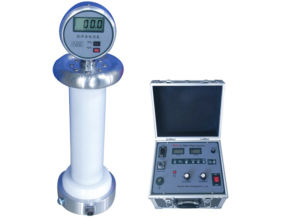
Click the image to know more about DC Withstand Voltage Tester.
What Is Helium Leak Detection?
Helium leak detection is a testing method that uses helium gas as a tracer to locate leaks in sealed systems.
A helium leak detector measures the amount of helium escaping from equipment. Since helium is non-toxic, non-flammable, and naturally rare in the atmosphere, it is ideal for detecting extremely small leakage paths.
Compared with traditional pressure decay or soap bubble methods, helium leak testing provides:
- Higher sensitivity
- Faster leak identification
- Better accuracy for micro-leaks
- Non-destructive testing
- Reliable long-term sealing evaluation
This makes helium leak testing especially useful in high-voltage electrical equipment where insulation integrity is critical.
Why Is Helium Used for Leak Testing?
Helium offers several unique advantages over other gases.
Extremely Small Atomic Size
Helium atoms can pass through microscopic leak paths that air or nitrogen may not detect.
Chemically Inert
Helium does not react with metals, insulation materials, or transformer components.
Safe for Electrical Equipment
Helium is non-flammable and non-corrosive, making it safe for sensitive HV systems.
Low Background Concentration
Because helium concentration in air is very low, leak detectors can easily identify escaping helium with high precision.
How Does Helium Leak Detection Work?
The helium leak testing process generally follows several steps.
Step 1: Seal the Equipment
The HV equipment under test is isolated and prepared for leak inspection. Common test objects include:
- GIS chambers
- Transformers
- Vacuum circuit breakers
- Cable accessories
- SF6 gas compartments
- Bushings
The system must be clean and properly sealed before testing begins.
Step 2: Introduce Helium Gas
Helium is introduced into the equipment or surrounding test chamber.
There are two common methods:
Vacuum Method
The equipment is filled with helium while connected to a vacuum-based helium leak detector.
This method provides the highest sensitivity and is widely used in factory testing.
Sniffer Method
Helium is pressurized inside the equipment while a probe “sniffs” around seals, welds, joints, and connectors.
This method is commonly used for on-site HV equipment leak tests.
Step 3: Detect Escaping Helium
The helium leak detector measures helium concentration escaping from the system.
Modern detectors typically use mass spectrometry technology to identify helium atoms with extremely high sensitivity.
When helium escapes through a leak point, the detector records the leak rate.
The larger the signal, the larger the leak.
What Is a Helium Leak Rate?
Leak rate represents how much helium escapes over time.
Common units include:
- mbar·L/s
- Pa·m³/s
- atm·cc/s
Very small leak rates may still be unacceptable in high-voltage equipment because moisture ingress over time can damage insulation systems.
Manufacturers often define maximum acceptable leak rates based on equipment type and voltage level.
Why Is Helium Leak Testing Important for HV Equipment?
Leak-free sealing is critical for electrical insulation performance and operational safety.
Prevents Moisture Ingress
Moisture entering transformers or GIS systems can reduce dielectric strength and accelerate insulation aging.
Protects SF6 Gas Integrity
In gas-insulated equipment, leaks can reduce insulation capability and increase operational risks.
Improves Equipment Reliability
Early leak detection helps prevent:
- Partial discharge
- Flashover
- Corrosion
- Internal insulation failure
- Unexpected outages
Supports Preventive Maintenance
Routine helium leak testing helps utilities identify sealing problems before major failures occur.
Which High-Voltage Equipment Uses Helium Leak Testing?
Helium leak testing is widely applied across the power industry.
Gas-Insulated Switchgear (GIS)
GIS systems require extremely tight sealing to maintain insulation gas pressure.
Power Transformers
Sealed transformers may require helium testing to identify tank or gasket leakage.
Vacuum Interrupters
Vacuum integrity directly affects circuit breaker performance.
Cable Accessories
High-voltage cable joints and terminations must remain moisture-free.
Bushings and Capacitors
Leak detection helps maintain insulation reliability in sealed dielectric systems.
What Are the Main Types of Helium Leak Detectors?
Different helium leak detector designs are used depending on testing requirements.
Portable Helium Leak Detectors
Suitable for field inspections and on-site maintenance.
Advantages include:
- Easy transportation
- Fast setup
- Flexible operation
Vacuum Helium Leak Detectors
Used in manufacturing and laboratory environments for ultra-high sensitivity testing.
Sniffer Leak Detectors
Designed for locating external leak points quickly during maintenance work.
What Factors Affect Helium Leak Detection Accuracy?
Several conditions influence test reliability.
Surface Cleanliness
Oil, dust, or moisture may interfere with leak measurements.
Test Pressure
Improper pressure can reduce detection sensitivity.
Temperature Stability
Temperature changes may affect pressure readings and sealing behavior.
Detector Calibration
Regular calibration ensures accurate helium concentration measurement.
Operator Experience
Correct probe movement and testing procedures improve leak localization accuracy.
How Wrindu Testers Stand Out
As a professional manufacturer of electrical testing equipment, Wrindu provides reliable solutions for high-voltage testing and insulation diagnostics.
Wrindu testing solutions are designed to support accurate leak inspection and HV equipment maintenance through:
- High measurement sensitivity
- Stable long-term performance
- User-friendly operation
- Durable industrial design
- Support for substation and industrial applications
- Fast response for preventive maintenance testing
Wrindu focuses on helping utilities, substations, and industrial users improve equipment reliability while reducing unexpected downtime.
What Are the Advantages of Helium Leak Testing Compared with Traditional Methods?
| Testing Method | Sensitivity | Speed | Accuracy | Suitable for Micro-Leaks |
|---|---|---|---|---|
| Soap Bubble Test | Low | Moderate | Low | No |
| Pressure Decay Test | Medium | Slow | Medium | Limited |
| Helium Leak Testing | Very High | Fast | Very High | Yes |
Helium leak testing is considered the industry standard for critical sealed HV systems.
FAQs About How Helium Leak Detection Works
What is the purpose of helium leak testing in HV equipment?
Helium leak testing helps identify microscopic leaks that may allow moisture, air, or insulation gas loss in high-voltage equipment.
How sensitive is a helium leak detector?
Modern helium leak detectors can detect extremely small leak rates that are impossible to identify using traditional testing methods.
Can helium leak testing detect SF6 gas leaks?
Yes. Helium is often used as a tracer gas to identify sealing defects in SF6-insulated equipment.
Is helium leak testing safe for transformers?
Yes. Helium is inert, non-toxic, and non-corrosive, making it safe for transformer leak testing applications.
What is the difference between vacuum and sniffer helium leak testing?
Vacuum testing offers higher sensitivity and is mainly used in factories, while sniffer testing is commonly used for field inspections and maintenance.
How often should HV equipment undergo leak testing?
Testing frequency depends on equipment type, operating conditions, and utility maintenance schedules. Critical gas-insulated equipment may require periodic leak inspections during preventive maintenance programs.
Can helium leak testing reduce substation downtime?
Yes. Early leak detection helps prevent insulation failures and allows maintenance teams to repair sealing problems before outages occur.
Conclusion
Understanding how helium leak detection works is essential for maintaining modern high-voltage equipment. Helium leak testing provides highly sensitive, accurate, and non-destructive leak identification for transformers, GIS systems, vacuum interrupters, and other sealed electrical assets.
By using advanced helium leak detectors and preventive maintenance strategies, utilities and industrial operators can improve insulation reliability, reduce equipment failures, and extend service life.
