

What Do You Know about Common Leak Rates in Electrical Equipment
Learn about common leak rates in electrical equipment, including GIS systems, transformers, vacuum interrupters, and SF6-insulated devices. Discover how leak rate monitoring improves insulation reliability, preventive maintenance, and HV equipment safety.
Leakage control is one of the most important factors in maintaining the reliability and insulation performance of electrical equipment. In high-voltage systems, sealing integrity directly affects safety, dielectric strength, operational stability, and equipment lifespan.
Even very small leaks can gradually introduce moisture, reduce insulation gas pressure, or contaminate internal components. Because of this, understanding common leak rates in electrical equipment is essential for manufacturers, utilities, and maintenance engineers.
This article explains what leak rates mean, typical leakage ranges for different electrical equipment, factors affecting acceptable leak levels, and how leak monitoring supports preventive maintenance programs.
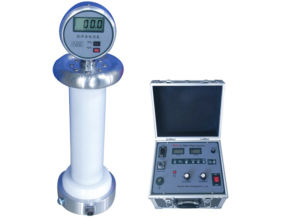
Click the image to know more about DC Withstand Voltage Tester.
What Is a Leak Rate in Electrical Equipment?
A leak rate describes the amount of gas or air escaping from a sealed system over a specific period of time.
It helps engineers evaluate sealing quality and determine whether equipment remains safe for long-term operation.
Leak rates are commonly expressed using units such as:
- mbar·L/s
- Pa·m³/s
- atm·cc/s
Lower leak rates generally indicate better sealing integrity.
Why Are Leak Rates Important in High-Voltage Equipment?
Electrical insulation systems depend on stable internal environments.
Leaks may lead to:
- Moisture ingress
- Oxidation
- Insulation aging
- SF6 gas loss
- Reduced dielectric strength
- Pressure instability
- Internal corrosion
Over time, these problems can increase the risk of partial discharge, flashover, or insulation failure.
Monitoring leak rates helps maintenance teams identify sealing deterioration before major damage occurs.
Which Types of Electrical Equipment Commonly Require Leak Monitoring?
Many sealed electrical systems require leak rate evaluation.
Typical applications include:
- Gas-insulated switchgear (GIS)
- Power transformers
- Vacuum circuit breakers
- Instrument transformers
- HV cable accessories
- Bushings
- Capacitor banks
- Sealed relay systems
Each equipment type may have different acceptable leak rate requirements depending on insulation design and operating conditions.
What Are Common Leak Rates for GIS Equipment?
GIS systems operate with highly controlled gas insulation environments.
Because insulation performance depends heavily on gas stability, GIS equipment typically requires extremely low leakage rates.
Manufacturers often design GIS systems to maintain gas pressure for many years with minimal loss.
Typical acceptable GIS leakage values are very small because even gradual gas loss can affect dielectric performance and environmental compliance.
What Leak Rates Are Common in Power Transformers?
Transformer leak rates vary depending on:
- Tank design
- Oil preservation system
- Operating temperature
- Sealing material quality
Oil-filled transformers may experience small levels of leakage over long operating periods.
However, visible oil leakage or rapid pressure loss often indicates sealing deterioration requiring maintenance attention.
Transformer leak monitoring helps prevent:
- Moisture contamination
- Insulation degradation
- Oil oxidation
- Reduced cooling performance
Why Are Vacuum Interrupter Leak Rates So Critical?
Vacuum circuit breakers rely on stable vacuum conditions for arc interruption.
Even tiny leaks can gradually reduce vacuum quality and affect switching performance.
Because vacuum interrupters operate under highly controlled pressure conditions, acceptable leak rates are extremely low.
Leak testing is often performed during:
- Manufacturing
- Quality control
- Periodic maintenance
- Life-cycle assessment
Maintaining proper vacuum integrity helps ensure reliable breaker operation.
How Do SF6 Systems Handle Leak Rate Requirements?
SF6 gas-insulated systems require careful leakage management because SF6 is both an insulation medium and an environmentally regulated gas.
Leak monitoring helps operators:
- Maintain insulation reliability
- Reduce gas replenishment costs
- Meet environmental regulations
- Avoid pressure-related faults
Modern utilities increasingly focus on reducing SF6 leakage through continuous monitoring and preventive maintenance programs.
What Factors Affect Leak Rates in Electrical Equipment?
Several conditions influence sealing performance over time.
How Does Temperature Affect Leakage?
Temperature changes cause expansion and contraction of sealing materials.
Repeated thermal cycling may gradually weaken:
- Gaskets
- O-rings
- Weld seams
- Mechanical joints
Higher operating temperatures may also accelerate material aging.
Can Aging Increase Leak Rates?
Yes. Over time, sealing materials may:
- Harden
- Crack
- Lose elasticity
- Degrade chemically
Older equipment often shows higher leakage risk due to long-term environmental and electrical stress.
Why Does Installation Quality Matter?
Improper installation can create early leakage paths.
Common installation-related issues include:
- Uneven bolt torque
- Misaligned flanges
- Damaged seals
- Surface contamination
Correct assembly procedures are critical for maintaining low leak rates.
How Are Leak Rates Measured?
Different testing methods are used depending on sensitivity requirements.
Common methods include:
- Helium leak testing
- Pressure decay testing
- Vacuum rise testing
- Ultrasonic leak detection
- Bubble testing
Highly sensitive systems such as GIS or vacuum interrupters often require advanced leak detection technologies.
What Happens If Leak Rates Become Too High?
Excessive leakage can create serious operational problems.
Potential consequences include:
- Insulation failure
- Reduced dielectric strength
- Increased partial discharge activity
- Corrosion damage
- Gas pressure alarms
- Equipment outages
- Environmental compliance issues
Early leak detection helps reduce maintenance costs and prevent catastrophic failures.
Why Is Continuous Leak Monitoring Becoming More Popular?
Modern substations increasingly use continuous monitoring technologies to improve reliability.
Benefits include:
- Real-time condition assessment
- Early warning detection
- Reduced manual inspections
- Improved maintenance scheduling
- Better asset management decisions
Digital monitoring systems help utilities respond to sealing problems before failures occur.
How Wrindu Testers Stand Out
As a professional manufacturer of electrical testing equipment, Wrindu provides reliable solutions for insulation diagnostics and leak monitoring applications in high-voltage systems.
Wrindu testing solutions are designed to support accurate condition assessment through:
- Stable measurement performance
- High diagnostic precision
- Durable industrial construction
- Efficient field operation
- User-friendly interfaces
- Support for preventive maintenance programs
Wrindu focuses on helping utilities and industrial users improve equipment reliability while reducing maintenance risks and operational downtime.
How Can Utilities Reduce Leak Rates in Electrical Equipment?
Utilities can improve sealing reliability through several best practices.
Perform Regular Leak Inspections
Routine testing helps identify early sealing deterioration.
Use High-Quality Sealing Materials
Durable sealing components improve long-term performance.
Monitor Environmental Conditions
Temperature, humidity, and vibration control help reduce seal degradation.
Follow Proper Installation Procedures
Correct assembly techniques minimize mechanical leakage risks.
Implement Preventive Maintenance Programs
Proactive maintenance reduces the likelihood of major sealing failures.
FAQs About Common Leak Rates in Electrical Equipment
What is considered a normal leak rate in electrical equipment?
Acceptable leak rates depend on equipment type, insulation design, and applicable standards. Critical sealed systems generally require extremely low leakage levels.
Why are leak rates important in GIS equipment?
Leak rates directly affect insulation gas stability, dielectric performance, and environmental compliance in GIS systems.
Can transformers operate with small leaks?
Minor leakage may occur over time, but increasing leakage often indicates seal deterioration that requires maintenance.
What causes leak rates to increase?
Common causes include aging seals, temperature cycling, mechanical stress, improper installation, and material degradation.
Which leak detection method is most sensitive?
Helium leak testing is one of the most sensitive methods for detecting microscopic leaks in sealed electrical systems.
How often should leak testing be performed?
Testing frequency depends on equipment type, operating environment, and utility maintenance policies.
Can high leak rates lead to equipment failure?
Yes. Excessive leakage can reduce insulation reliability and eventually cause operational faults or equipment breakdown.
Conclusion
Understanding common leak rates in electrical equipment is essential for maintaining insulation integrity, operational safety, and long-term system reliability. Different types of HV equipment require different leakage control strategies, but all depend on effective sealing and accurate leak monitoring.
By implementing proper leak detection practices and preventive maintenance programs, utilities and industrial operators can reduce equipment failures, extend service life, and improve overall power system performance.
