

Advantages of Vacuum Leak Testing in High-Voltage Equipment
Discover the advantages of vacuum leak testing in high-voltage equipment. Learn how vacuum leak detection improves insulation reliability, prevents moisture ingress, supports GIS and transformer maintenance, and reduces equipment downtime.
Vacuum leak testing has become an important method for evaluating sealing integrity in modern high-voltage equipment. As electrical systems become more compact, insulated, and reliability-focused, detecting tiny leaks before failure occurs is critical for safe operation.
Compared with traditional leak inspection methods, vacuum leak testing offers higher sensitivity, cleaner testing conditions, and improved reliability for sealed electrical systems.
This article explains the advantages of vacuum leak testing, how it works, and why it is widely used in transformers, GIS systems, vacuum interrupters, and other HV equipment.
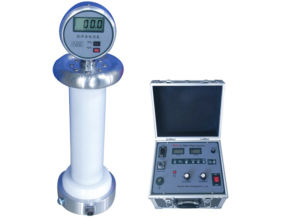
Click the image to know more about DC Withstand Voltage Tester.
What Is Vacuum Leak Testing?
Vacuum leak testing is a method that checks whether air, gas, or moisture can enter or escape from sealed equipment under vacuum conditions.
During the test, a vacuum pump removes air from the system or test chamber. Specialized sensors then monitor pressure behavior or tracer gas movement to determine whether leakage exists.
Vacuum testing is commonly used in:
- Gas-insulated switchgear (GIS)
- Vacuum circuit breakers
- Transformer tanks
- HV cable accessories
- SF6 gas chambers
- Insulated bushings
Because vacuum conditions amplify leak behavior, this method is highly effective for identifying very small sealing defects.
Why Is Vacuum Leak Testing Important for HV Equipment?
High-voltage systems depend on stable insulation environments.
Even microscopic leaks may allow:
- Moisture ingress
- Oxygen contamination
- Insulation aging
- SF6 gas loss
- Pressure instability
Over time, these issues can reduce dielectric performance and increase the risk of equipment failure.
Vacuum leak testing helps maintenance teams identify sealing problems before insulation damage becomes severe.
How Does Vacuum Leak Testing Work?
Vacuum leak testing generally follows several stages.
Step 1: Prepare the Equipment
The test object is isolated and cleaned to remove contaminants that may affect measurement accuracy.
Step 2: Create Vacuum Conditions
Air is removed using a vacuum pump until the required pressure level is reached.
Step 3: Monitor System Stability
The tester evaluates whether pressure remains stable or changes over time.
In some applications, tracer gases such as helium may also be introduced to improve sensitivity.
Step 4: Analyze Leak Behavior
Pressure variation or gas detection signals indicate whether leakage is present.
Technicians can then identify and repair leak points before the equipment returns to service.
What Are the Main Advantages of Vacuum Leak Testing?
Vacuum leak testing offers several important benefits for electrical equipment diagnostics.
Why Does Vacuum Leak Testing Provide Higher Sensitivity?
Vacuum conditions make even very small leaks easier to detect.
Under vacuum pressure differences, gases move more rapidly through microscopic openings.
This allows vacuum testing systems to identify leaks that may remain hidden during standard pressure tests.
Higher sensitivity is especially important for:
- GIS insulation systems
- Vacuum interrupters
- Sealed transformers
- Critical substation assets
How Does Vacuum Testing Improve Insulation Reliability?
Sealed insulation systems must remain dry and contamination-free.
Vacuum leak testing helps prevent:
- Water vapor intrusion
- Oxidation
- Internal corrosion
- Dielectric deterioration
By identifying sealing weaknesses early, utilities can maintain stable insulation performance over longer service periods.
Why Is Vacuum Leak Testing Effective for Preventive Maintenance?
Preventive maintenance focuses on detecting problems before failure occurs.
Vacuum leak testing supports this approach by:
- Identifying early-stage sealing defects
- Detecting hidden micro-leaks
- Reducing unexpected outages
- Improving maintenance planning
- Extending equipment lifespan
Instead of waiting for visible failure symptoms, maintenance teams can repair sealing problems proactively.
Can Vacuum Leak Testing Reduce Equipment Downtime?
Yes. Early leak identification reduces emergency maintenance requirements.
When leaks are detected during planned inspections:
- Repairs become simpler
- Outage duration decreases
- Spare part planning improves
- Operational interruptions are minimized
This is especially important for substations and industrial facilities where downtime costs are high.
Why Is Vacuum Leak Testing Suitable for GIS Systems?
GIS equipment requires extremely stable gas insulation environments.
Tiny sealing defects can gradually reduce insulation gas pressure and compromise operational safety.
Vacuum leak testing helps verify:
- Gas compartment sealing
- Weld integrity
- Flange tightness
- Valve sealing performance
Because GIS systems often operate under strict insulation requirements, vacuum testing provides valuable reliability assurance.
How Does Vacuum Leak Testing Help Vacuum Circuit Breakers?
Vacuum interrupters rely on stable vacuum conditions for proper arc interruption.
If vacuum integrity deteriorates:
- Arc extinguishing performance may decline
- Contact erosion may increase
- Switching reliability may decrease
Vacuum leak testing helps confirm whether interrupters maintain proper vacuum conditions throughout their service life.
Is Vacuum Leak Testing Environmentally Friendly?
Vacuum leak testing can support environmentally responsible maintenance practices.
Benefits include:
- Reduced insulation gas leakage
- Lower SF6 emissions
- Reduced unnecessary equipment replacement
- Improved energy system efficiency
As environmental regulations become stricter, accurate leak detection becomes increasingly important for utility operators.
What Factors Affect Vacuum Leak Testing Accuracy?
Several conditions influence testing quality.
Surface Contamination
Oil, dust, and moisture may interfere with leak measurements.
Temperature Changes
Temperature variations can affect pressure stability.
Vacuum Pump Performance
Insufficient vacuum generation reduces test sensitivity.
Sensor Calibration
Accurate calibration ensures reliable measurement results.
Proper Test Procedures
Correct setup and stabilization time improve repeatability.
Which Industries Commonly Use Vacuum Leak Testing?
Vacuum leak testing is widely used in many technical industries.
Applications include:
- Electrical power systems
- Transformer manufacturing
- Aerospace engineering
- Semiconductor production
- Automotive systems
- Vacuum equipment manufacturing
In the power industry, vacuum testing is especially important for sealed insulation systems and gas-insulated equipment.
How Wrindu Testers Stand Out
As a professional manufacturer of electrical testing equipment, Wrindu provides dependable solutions for insulation diagnostics and preventive maintenance in high-voltage environments.
Wrindu testing solutions are designed to support reliable leak inspection and long-term equipment performance through:
- High measurement stability
- Durable industrial construction
- Efficient field operation
- User-friendly interfaces
- Accurate diagnostic capability
- Support for substation and utility maintenance programs
Wrindu focuses on helping engineers improve testing efficiency while reducing operational risks and maintenance costs.
What Are the Limitations of Vacuum Leak Testing?
Although highly effective, vacuum leak testing also has some considerations.
Potential limitations include:
- Higher equipment investment
- Need for trained operators
- Longer setup for large systems
- Sensitivity to environmental conditions
However, for critical HV equipment, the reliability benefits often outweigh these challenges.
FAQs About Advantages of Vacuum Leak Testing
Why is vacuum leak testing more sensitive than pressure testing?
Vacuum conditions increase gas movement through small leak paths, making microscopic leaks easier to detect.
Can vacuum leak testing detect moisture ingress risks?
Yes. Vacuum leak testing helps identify sealing defects that may eventually allow moisture to enter insulation systems.
Is vacuum leak testing used for GIS equipment?
Yes. Vacuum testing is widely used to evaluate sealing integrity in GIS and other gas-insulated systems.
What is the difference between vacuum leak testing and helium leak testing?
Vacuum leak testing creates pressure differentials to evaluate leakage, while helium testing uses tracer gas detection for extremely precise leak identification. In some systems, both methods may be combined.
How often should vacuum leak testing be performed?
Testing intervals depend on equipment type, operating conditions, and utility maintenance strategies.
Can vacuum leak testing reduce transformer failures?
Yes. Detecting sealing problems early helps prevent insulation contamination and long-term transformer damage.
Is vacuum leak testing suitable for preventive maintenance programs?
Absolutely. Vacuum leak testing is commonly used in preventive maintenance because it identifies hidden sealing problems before major failures occur.
Conclusion
Vacuum leak testing offers major advantages for modern high-voltage equipment maintenance. Its high sensitivity, strong diagnostic capability, and support for preventive maintenance make it a valuable tool for utilities, substations, and industrial operators.
By detecting micro-leaks early and protecting insulation integrity, vacuum leak testing helps improve system reliability, reduce downtime, and extend the operational life of critical electrical assets.
