

Leak Detection Standards for HV Equipment
Learn about leak detection standards for high-voltage equipment, including IEC and IEEE requirements for GIS, transformers, vacuum systems, and SF6 insulation. Discover how standardized HV equipment leak testing improves safety, reliability, and preventive maintenance.
Leak detection plays a critical role in maintaining the safety, insulation reliability, and operational stability of high-voltage equipment. In transformers, GIS systems, vacuum interrupters, and insulated cable systems, even minor sealing defects can lead to insulation degradation, gas loss, moisture contamination, and unexpected failures.
To ensure testing consistency and equipment reliability, the power industry follows various leak detection standards and technical guidelines. These standards help manufacturers, utilities, and maintenance teams evaluate sealing performance using approved methods and acceptable leakage limits.
This article explains the most important leak detection standards for HV equipment, their applications, testing requirements, and why standard-compliant testing is essential for modern power systems.
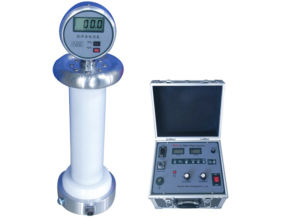
Click the image to know more about DC Withstand Voltage Tester.
Why Are Leak Detection Standards Important for HV Equipment?
High-voltage systems operate under demanding electrical and environmental conditions.
Without standardized leak testing procedures:
- Leak evaluation results may become inconsistent
- Micro-leaks may remain undetected
- Insulation reliability may decline
- Safety risks may increase
- Equipment lifespan may shorten
Leak detection standards establish uniform methods for:
- Test preparation
- Pressure conditions
- Leak rate limits
- Measurement accuracy
- Calibration procedures
- Acceptance criteria
This improves reliability across manufacturing, commissioning, and maintenance processes.
Which Types of HV Equipment Require Leak Detection Standards?
Many sealed electrical systems rely on standardized leak inspection.
Common applications include:
- Gas-insulated switchgear (GIS)
- Power transformers
- Current transformers
- Voltage transformers
- Vacuum circuit breakers
- HV cable accessories
- SF6 gas compartments
- Bushings and insulated enclosures
These systems depend on stable insulation environments and precise sealing performance.
What International Standards Are Commonly Used for Leak Detection?
Several international organizations publish leak testing and insulation-related standards.
What Is IEC 60068 and Why Is It Important?
International Electrotechnical Commission IEC 60068 provides environmental testing procedures for electrical and electronic equipment.
It includes guidance related to:
- Pressure testing
- Environmental stress evaluation
- Sealing reliability
- Mechanical durability
Manufacturers often use IEC 60068 methods during equipment qualification testing.
How Does IEC 62271 Apply to GIS Leak Detection?
International Electrotechnical Commission IEC 62271 is one of the most important standards for high-voltage switchgear and controlgear.
It includes requirements for:
- Gas-tightness verification
- SF6 leakage limits
- Pressure monitoring
- Sealed pressure systems
- Type testing procedures
GIS manufacturers commonly follow IEC 62271 standards during production and maintenance testing.
What Role Does IEEE Play in HV Leak Testing?
Institute of Electrical and Electronics Engineers publishes technical guidelines and recommended practices related to transformer diagnostics and electrical equipment maintenance.
IEEE documents may include recommendations for:
- Transformer sealing inspection
- Oil preservation systems
- Gas leakage monitoring
- Preventive maintenance procedures
Many utilities use IEEE guidance together with IEC standards.
Are There Standards Specifically for Vacuum Leak Testing?
Yes. Vacuum systems often follow specialized leak testing practices used across industrial and scientific applications.
These standards typically define:
- Vacuum pressure levels
- Test sensitivity requirements
- Leak rate calculations
- Calibration procedures
- Detector performance verification
Vacuum interrupter manufacturers especially rely on strict leak integrity standards.
What Is an Acceptable Leak Rate for HV Equipment?
Acceptable leak rates depend on:
- Equipment type
- Insulation medium
- Voltage class
- Operating pressure
- Environmental requirements
For example:
- GIS systems generally require extremely low leakage rates
- Transformer sealing systems may allow different thresholds
- Vacuum interrupters demand highly stable vacuum integrity
Manufacturers usually specify maximum allowable leakage values according to applicable standards and operating conditions.
How Are Leak Rates Measured?
Leak rates are commonly measured using units such as:
- Pa·m³/s
- mbar·L/s
- atm·cc/s
Measurement methods may include:
- Helium leak testing
- Pressure decay testing
- Vacuum rise testing
- Bubble emission testing
- Tracer gas methods
The selected method depends on the required sensitivity and equipment design.
Why Is Calibration Important in Leak Detection Standards?
Accurate calibration ensures reliable leak measurements.
Standards often require periodic calibration of:
- Pressure sensors
- Vacuum gauges
- Helium leak detectors
- Flow measurement devices
Improper calibration can produce inaccurate results and lead to incorrect maintenance decisions.
How Do Leak Detection Standards Improve Safety?
Leak detection standards help reduce operational risks by ensuring proper insulation integrity.
This helps prevent:
- Flashover
- Internal insulation breakdown
- Gas pressure loss
- Moisture contamination
- Partial discharge activity
- Equipment overheating
Standardized testing procedures improve confidence in equipment condition and operational safety.
Why Are Leak Detection Standards Important for SF6 Equipment?
SF6 gas-insulated systems require strict sealing control because gas leakage affects both performance and environmental compliance.
Standards help operators:
- Monitor leakage rates
- Maintain insulation performance
- Reduce environmental emissions
- Verify gas compartment integrity
- Support regulatory compliance
As environmental regulations become stricter, accurate leak detection becomes increasingly important.
How Do Utilities Use Leak Detection Standards in Preventive Maintenance?
Utilities apply standardized leak testing during:
- Factory acceptance testing (FAT)
- Site commissioning
- Scheduled maintenance inspections
- Condition monitoring programs
- Reliability improvement projects
Following recognized standards improves maintenance consistency across substations and transmission systems.
What Challenges Exist in Standard-Compliant Leak Testing?
Several factors can affect testing quality.
Environmental Conditions
Temperature and humidity may influence measurement accuracy.
Equipment Complexity
Large GIS systems may require multiple test zones and complex procedures.
Operator Training
Improper testing techniques can reduce reliability.
Instrument Sensitivity
Low-quality instruments may fail to detect micro-leaks.
How Wrindu Testers Stand Out
As a professional manufacturer of electrical testing equipment, Wrindu provides dependable solutions for insulation diagnostics and leak detection applications in high-voltage environments.
Wrindu testing solutions are developed to support modern utility maintenance requirements through:
- High measurement precision
- Stable diagnostic performance
- User-friendly operation
- Durable industrial design
- Efficient field deployment
- Support for preventive maintenance programs
Wrindu focuses on helping utilities and industrial users improve testing reliability while supporting long-term equipment performance and operational safety.
What Future Trends Are Shaping HV Leak Detection Standards?
The power industry is moving toward more intelligent and environmentally focused leak monitoring technologies.
Emerging trends include:
- Digital leak monitoring systems
- Automated diagnostic platforms
- Real-time gas leakage analysis
- Smart substation integration
- Enhanced environmental compliance requirements
- AI-assisted predictive maintenance
Future standards are expected to emphasize higher sensitivity, automation, and sustainability.
FAQs About Leak Detection Standards for HV Equipment
What is the purpose of leak detection standards in HV equipment?
Leak detection standards ensure consistent testing procedures, reliable measurements, and safe operation of sealed electrical systems.
Which standard is commonly used for GIS leak testing?
IEC 62271 is widely used for gas-insulated switchgear testing and includes requirements related to gas-tightness and leakage limits.
Why are leak rate limits important?
Leak rate limits help determine whether equipment sealing performance is acceptable for safe long-term operation.
What testing methods are used in leak detection standards?
Common methods include helium leak testing, vacuum testing, pressure decay testing, and tracer gas inspection.
How often should HV equipment undergo leak testing?
Testing frequency depends on equipment type, operating conditions, and maintenance strategies established by utilities or manufacturers.
Can leak detection standards help reduce equipment failures?
Yes. Standardized leak testing helps identify sealing problems early before insulation damage or operational failure occurs.
Are leak detection standards important for environmental protection?
Yes. Proper leak detection reduces insulation gas leakage and supports environmental compliance, especially in SF6 systems.
Conclusion
Leak detection standards for HV equipment are essential for ensuring insulation reliability, operational safety, and long-term system performance. By following internationally recognized testing procedures and leakage criteria, utilities and manufacturers can improve maintenance consistency, reduce equipment failures, and support modern preventive maintenance strategies.
As power systems continue evolving toward higher reliability and stricter environmental requirements, standardized leak detection practices will remain a critical part of high-voltage equipment management.
