

What Are Best Pressure Levels for HV Enclosures
Learn the best pressure levels for HV enclosures in pressure decay testing. Discover how proper pressure selection improves enclosure leak tests, sealing reliability, insulation protection, and preventive maintenance for high-voltage equipment.
Pressure decay testing is widely used to evaluate sealing integrity in high-voltage enclosures. Whether used in switchgear cabinets, transformer compartments, GIS systems, or industrial control enclosures, selecting the correct pressure level is critical for obtaining accurate and reliable test results.
If the pressure is too low, small leaks may go undetected. If the pressure is too high, the enclosure or sealing components may experience unnecessary stress. Finding the optimal pressure range helps improve leak detection sensitivity while protecting equipment integrity.
This article explains the best pressure levels for HV enclosures, factors that influence pressure selection, and how pressure decay testing supports reliable enclosure leak testing in electrical systems.
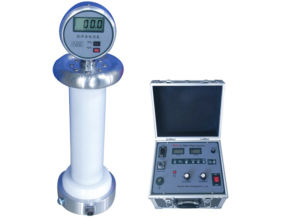
Click the image to know more about DC Withstand Voltage Tester.
What Is Pressure Decay Testing for HV Enclosures?
Pressure decay testing is a leak detection method that evaluates whether an enclosure can maintain stable internal pressure over a specified period.
The process typically includes:
- Pressurizing the enclosure
- Stabilizing internal conditions
- Monitoring pressure behavior
- Measuring pressure loss over time
If pressure decreases beyond acceptable limits, leakage may be present.
This method is commonly used for:
- HV switchgear enclosures
- Transformer control cabinets
- GIS gas compartments
- Relay protection panels
- Cable junction boxes
- Outdoor electrical enclosures
Why Is Pressure Level Selection Important?
The selected test pressure directly affects leak detection accuracy and equipment safety.
Incorrect pressure levels may cause:
- False leak readings
- Reduced sensitivity
- Seal deformation
- Structural stress
- Inconsistent results
Proper pressure selection helps ensure repeatable and reliable enclosure leak test performance.
What Factors Determine the Best Pressure Level?
Several technical factors influence pressure selection for HV enclosures.
How Does Enclosure Size Affect Test Pressure?
Large enclosures typically respond differently to pressure variation compared with compact sealed compartments.
Larger systems may require:
- Longer stabilization time
- Lower pressure gradients
- More sensitive measurement instruments
Smaller enclosures often allow faster pressure stabilization and more precise leak detection.
Why Does Enclosure Material Matter?
Different enclosure materials tolerate pressure differently.
Common materials include:
- Stainless steel
- Aluminum
- Epoxy resin
- Composite insulation structures
Thin or lightweight enclosures may require lower test pressure to avoid mechanical deformation.
How Do Sealing Materials Influence Pressure Selection?
Sealing components respond differently under pressure stress.
Examples include:
- Rubber gaskets
- Silicone seals
- O-rings
- Welded joints
Excessive pressure may temporarily deform seals and affect measurement accuracy.
Selecting moderate pressure levels helps preserve realistic operating conditions.
What Are Typical Pressure Levels for HV Enclosure Testing?
The ideal pressure depends on equipment type and test objectives.
What Pressure Levels Are Common for General Enclosure Leak Testing?
For standard electrical enclosures, moderate pressure ranges are commonly used to evaluate sealing performance without overstressing components.
These tests help verify:
- Dust protection
- Moisture resistance
- Mechanical sealing integrity
The pressure should remain high enough to reveal leaks while remaining within safe structural limits.
Why Do GIS Systems Require Carefully Controlled Pressure Levels?
Gas-insulated systems operate under highly controlled insulation conditions.
Testing pressure must account for:
- Gas compartment design
- Insulation gas properties
- Safety margins
- Manufacturer specifications
Excessive pressure may affect sensitive insulation structures or monitoring devices.
How Are Pressure Levels Selected for Outdoor HV Enclosures?
Outdoor enclosures experience environmental stress from:
- Temperature variation
- Rain exposure
- Humidity
- Wind pressure
- UV aging
Leak testing often simulates realistic operating conditions to verify weather-resistant sealing performance.
Can High Pressure Damage HV Enclosures?
Yes. Excessive test pressure can create several risks.
Potential issues include:
- Seal distortion
- Weld stress
- Mechanical deformation
- Temporary leakage paths
- Reduced measurement reliability
Pressure should always remain within manufacturer-recommended limits.
Why Is Pressure Stabilization Important Before Testing?
Immediately after pressurization, internal conditions may fluctuate due to:
- Temperature changes
- Material expansion
- Air compression behavior
Without stabilization time, pressure readings may become inaccurate.
Proper stabilization improves test repeatability and reduces false leak indications.
How Long Should Pressure Decay Testing Last?
Test duration depends on:
- Enclosure size
- Leak sensitivity requirements
- Pressure stability
- Environmental conditions
Short tests may miss slow leaks, while excessively long tests may reduce testing efficiency.
The ideal duration balances sensitivity and practical maintenance workflow.
How Does Temperature Affect Pressure Decay Testing?
Temperature significantly influences internal pressure behavior.
Even small temperature changes may create pressure variation unrelated to leakage.
This is especially important for outdoor HV equipment exposed to changing environmental conditions.
Stable temperature conditions improve leak test accuracy.
Which Industries Use Pressure Decay Testing for Enclosures?
Pressure leak testing is widely used in many industries.
Applications include:
- Electrical power systems
- Renewable energy facilities
- Transformer manufacturing
- Industrial automation
- Railway electrical systems
- Data center infrastructure
- EV charging systems
Reliable enclosure sealing is essential wherever electrical insulation and environmental protection are required.
What Are the Advantages of Pressure Decay Testing?
Pressure decay testing offers several operational benefits.
Non-Destructive Testing
The method does not damage equipment or insulation systems.
Simple Operation
Testing systems are relatively straightforward to operate.
Suitable for Field Applications
Portable systems support on-site enclosure leak testing.
Cost-Effective Inspection
Pressure testing is often more economical than advanced tracer gas systems.
Reliable Preventive Maintenance Tool
Routine testing helps identify sealing deterioration early.
How Wrindu Testers Stand Out
As a professional manufacturer of electrical testing equipment, Wrindu provides dependable solutions for enclosure leak testing and insulation diagnostics in high-voltage systems.
Wrindu testing solutions are designed to support reliable pressure decay testing through:
- Stable pressure measurement performance
- Accurate leak assessment capability
- Durable industrial-grade construction
- User-friendly operation
- Efficient field deployment
- Support for preventive maintenance programs
Wrindu focuses on helping utilities and industrial users improve equipment reliability while reducing operational risks and maintenance downtime.
What Common Mistakes Should Be Avoided During Pressure Decay Testing?
Several testing mistakes may reduce accuracy.
Using Excessive Test Pressure
Over-pressurization may distort seals and affect readings.
Ignoring Temperature Effects
Environmental fluctuations can create misleading pressure changes.
Inadequate Stabilization Time
Immediate measurements may produce unstable results.
Poor Calibration
Improper sensor calibration reduces measurement reliability.
Incomplete Sealing Preparation
Contamination or loose fittings may create false leakage indications.
FAQs About Best Pressure Levels for HV Enclosures
What is the ideal pressure for enclosure leak testing?
The ideal pressure depends on enclosure design, material strength, and testing requirements. Pressure should remain within safe operating limits while providing sufficient leak detection sensitivity.
Can excessive pressure damage electrical enclosures?
Yes. High pressure may deform seals, stress welds, or reduce measurement accuracy.
Why is stabilization time important in pressure decay testing?
Stabilization allows temperature and pressure conditions to normalize before measurement begins, improving accuracy.
Is pressure decay testing suitable for GIS equipment?
Yes. Pressure decay testing is commonly used for evaluating sealing performance in GIS compartments and related HV systems.
How does temperature affect pressure leak testing?
Temperature changes influence internal pressure behavior and may create false leak indications if not properly controlled.
What are the benefits of pressure decay testing?
Pressure decay testing is non-destructive, cost-effective, portable, and suitable for preventive maintenance applications.
How often should HV enclosures undergo leak testing?
Testing intervals depend on equipment type, operating environment, and utility maintenance programs.
Conclusion
Selecting the best pressure levels for HV enclosures is essential for accurate and reliable pressure decay testing. Proper pressure selection improves leak detection sensitivity while protecting enclosure integrity and ensuring consistent results.
By following correct testing procedures and preventive maintenance strategies, utilities and industrial operators can improve enclosure reliability, reduce moisture-related failures, and extend the service life of critical high-voltage equipment.
