

What Is Exact Leak Detection Accuracy
Learn how leak detection accuracy affects high-voltage equipment reliability. Discover the factors influencing accurate leak testing, including sensor quality, calibration, environmental conditions, and advanced leak detection methods for HV systems.
Leak detection accuracy is one of the most important factors in evaluating the reliability of electrical equipment testing. In high-voltage systems, inaccurate leak measurements can lead to undetected insulation problems, unnecessary maintenance costs, or false failure alarms.
As power systems become more advanced and sealed insulation structures become more sensitive, utilities and manufacturers increasingly rely on precise leak detection technologies to ensure operational safety and long-term equipment performance.
This article explains what leak detection accuracy means, which factors affect it, how different testing methods compare, and why accurate leak testing is essential for modern HV equipment maintenance.
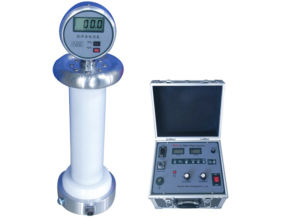
Click the image to know more about DC Withstand Voltage Tester.
What Does Leak Detection Accuracy Mean?
Leak detection accuracy refers to how precisely a testing system can identify and measure actual leakage within equipment.
High accuracy means the system can:
- Detect very small leaks
- Differentiate real leaks from environmental changes
- Provide stable and repeatable measurements
- Minimize false readings
Accurate leak testing helps engineers make reliable maintenance and operational decisions.
Why Is Leak Detection Accuracy Important in HV Equipment?
High-voltage equipment depends on stable insulation conditions.
Poor leak detection accuracy may result in:
- Hidden sealing defects
- Moisture ingress
- Reduced dielectric strength
- Gas pressure instability
- Unnecessary repairs
- Unexpected equipment failures
Accurate testing helps maintenance teams identify problems before insulation performance is affected.
Which Electrical Systems Require High Leak Detection Accuracy?
Some electrical systems are especially sensitive to leakage.
Examples include:
- Gas-insulated switchgear (GIS)
- Vacuum circuit breakers
- SF6 gas compartments
- Sealed transformers
- High-voltage cable accessories
- Instrument transformers
These systems often operate under strict insulation and pressure requirements where even micro-leaks can become critical over time.
What Factors Affect Leak Detection Accuracy?
Several technical and environmental factors influence measurement precision.
How Does Sensor Quality Influence Accuracy?
The sensitivity and stability of the sensor directly affect leak detection capability.
High-quality sensors provide:
- Better repeatability
- Faster response time
- Lower measurement drift
- Improved micro-leak detection
Low-quality sensors may produce inconsistent results or fail to identify small leaks.
Why Is Calibration Important for Accurate Leak Detection?
Calibration ensures measurement instruments operate within known accuracy limits.
Without proper calibration:
- Readings may drift over time
- Leak rates may be misinterpreted
- Maintenance decisions may become unreliable
Regular calibration is essential for maintaining consistent testing performance.
Can Environmental Conditions Reduce Accuracy?
Yes. Environmental conditions significantly affect leak testing reliability.
Common influences include:
- Temperature fluctuation
- Humidity variation
- Atmospheric pressure changes
- Vibration
- Dust contamination
Stable environmental conditions help improve testing precision.
How Does Operator Technique Affect Leak Detection Results?
Even advanced instruments require correct operating procedures.
Poor technique may include:
- Improper probe positioning
- Insufficient stabilization time
- Incorrect pressure settings
- Incomplete sealing preparation
Experienced operators help improve repeatability and reduce false indications.
Which Leak Detection Methods Offer the Highest Accuracy?
Different testing methods provide different levels of sensitivity and precision.
Why Is Helium Leak Testing Highly Accurate?
Helium leak testing is considered one of the most sensitive leak detection methods available.
Advantages include:
- Detection of microscopic leaks
- Fast response time
- High measurement precision
- Excellent repeatability
Helium testing is commonly used in critical HV insulation systems where extremely small leaks must be identified.
How Accurate Is Pressure Decay Testing?
Pressure decay testing provides reliable results for many industrial applications.
However, its sensitivity is generally lower than helium leak testing.
Pressure decay accuracy depends heavily on:
- Temperature stability
- System volume
- Pressure sensor quality
- Stabilization time
It is often suitable for general enclosure leak testing and preventive maintenance.
Can Vacuum Leak Testing Improve Detection Accuracy?
Vacuum-based methods often improve sensitivity by increasing pressure differential across leakage paths.
This allows small leaks to become easier to detect.
Vacuum testing is widely used for:
- Vacuum interrupters
- Sealed chambers
- High-sensitivity insulation systems
What Is the Difference Between Sensitivity and Accuracy?
These two terms are related but different.
Sensitivity
Sensitivity refers to the smallest leak a detector can identify.
Accuracy
Accuracy refers to how close the measurement is to the actual leak condition.
A system may be highly sensitive but still produce inaccurate measurements if calibration or environmental control is poor.
Why Are False Positives and False Negatives Dangerous?
Inaccurate results can create serious maintenance problems.
False Positives
The system indicates leakage when no real leak exists.
This may lead to:
- Unnecessary repairs
- Increased maintenance costs
- Unplanned downtime
False Negatives
Real leaks remain undetected.
This is often more dangerous because insulation deterioration may continue unnoticed.
Accurate leak testing minimizes both risks.
How Is Leak Detection Accuracy Verified?
Testing systems are often validated using:
- Calibrated reference leaks
- Standardized procedures
- Performance verification tests
- Repeatability analysis
Utilities and manufacturers may follow industry standards to ensure reliable measurement quality.
Why Does Leak Detection Accuracy Matter for Preventive Maintenance?
Preventive maintenance depends on early problem detection.
Accurate leak testing helps utilities:
- Identify micro-leaks early
- Prioritize maintenance schedules
- Reduce emergency outages
- Extend equipment lifespan
- Improve asset reliability
As substations become more digitally monitored, precise diagnostic data becomes increasingly important.
How Wrindu Testers Stand Out
As a professional manufacturer of electrical testing equipment, Wrindu provides dependable solutions for insulation diagnostics and leak detection in high-voltage applications.
Wrindu testing solutions are designed to support high measurement reliability through:
- Stable diagnostic performance
- Precise testing capability
- Durable industrial-grade construction
- User-friendly operation
- Efficient field deployment
- Support for preventive maintenance programs
Wrindu focuses on helping utilities and industrial users improve equipment reliability while reducing maintenance risks and operational downtime.
What Future Technologies Will Improve Leak Detection Accuracy?
Modern leak detection technology continues evolving toward higher precision and automation.
Emerging trends include:
- AI-assisted diagnostics
- Digital pressure compensation
- Real-time monitoring systems
- Smart sensor integration
- Automated calibration functions
- Remote condition monitoring
These technologies help improve testing consistency and maintenance efficiency.
FAQs About Leak Detection Accuracy
What is leak detection accuracy?
Leak detection accuracy refers to how precisely a testing system can identify and measure actual leakage conditions in equipment.
Which leak testing method is the most accurate?
Helium leak testing is generally considered one of the most accurate methods for detecting microscopic leaks.
Can temperature affect leak detection results?
Yes. Temperature changes can influence pressure behavior and sensor stability, affecting measurement accuracy.
Why is calibration necessary for leak testing?
Calibration ensures sensors and detectors provide reliable and repeatable measurements over time.
What causes false leak detection results?
Common causes include environmental instability, poor calibration, improper testing procedures, and low-quality sensors.
Is pressure decay testing accurate enough for HV equipment?
Pressure decay testing can provide reliable results for many applications when properly controlled and calibrated.
How does accurate leak testing improve preventive maintenance?
Accurate leak testing helps detect sealing problems early, reducing equipment failure risk and improving maintenance planning.
Conclusion
Leak detection accuracy is essential for maintaining insulation reliability, operational safety, and long-term performance in high-voltage equipment. Accurate testing helps utilities and manufacturers identify sealing problems early while minimizing unnecessary maintenance and operational risk.
By combining proper testing procedures, stable environmental control, calibrated instruments, and advanced diagnostic technologies, modern leak detection systems can provide highly reliable results for preventive maintenance and equipment reliability management.
