

What Is Current Injection Testing and Why Is It Important for Circuit Breakers
Learn what a current injection test is and how it verifies circuit breaker and relay performance. Understand primary vs secondary injection testing, trip unit verification, and how this method ensures power system protection and electrical safety.
Circuit breakers protect electrical systems from overloads and short circuits. But how do you know the breaker will actually trip when a fault happens? This is where current injection testing becomes important.
Current injection testing checks whether protection devices such as circuit breakers and relays operate correctly under fault conditions. It helps engineers confirm that the breaker trips at the correct current and within the required time.
This guide explains current injection testing in simple terms, including primary injection, secondary injection, testing methods, and practical applications.
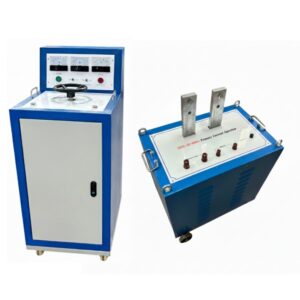
Click the picture to know more about Wrindu Primary Injection Current Tester.
What Is Current Injection Testing?
Current injection testing is a procedure where a testing device sends controlled electrical current into a circuit breaker or relay. The purpose is to simulate a real electrical fault and verify that the protection system responds correctly.
The test confirms:
- The breaker trips at the correct current
- The trip unit settings are accurate
- Current transformers (CTs) work properly
- The breaker mechanism opens correctly
- Protection coordination is reliable
Current injection testing is widely used in:
- Substations
- Power plants
- Industrial facilities
- Data centers
- Renewable energy systems
Why Is Current Injection Testing Important?
Without testing, nobody can guarantee that a breaker will trip during an actual fault. A failed breaker can lead to:
- Equipment damage
- Electrical fires
- Long outages
- Safety hazards
- Expensive downtime
Current injection testing helps prevent these problems by proving that the protection system operates correctly before an emergency happens.
Main Benefits of Current Injection Testing
| Purpose | Benefit |
|---|---|
| Verify protection settings | Prevents overload and short-circuit damage |
| Check breaker trip timing | Ensures fast fault clearing |
| Confirm CT and wiring operation | Detects hidden wiring or CT problems |
| Support preventive maintenance | Reduces unexpected failures |
| Improve system reliability | Keeps electrical systems stable |
What Is Primary Current Injection Testing?
Primary current injection testing applies high current directly through the breaker’s main conductors. The current may range from hundreds to thousands of amperes.
This test checks the entire protection path:
- Current transformers
- Wiring connections
- Trip units
- Breaker operating mechanism
Because it tests the whole system together, primary injection is considered the most reliable method for breaker testing.
What Does Primary Injection Verify?
| Component | Function |
|---|---|
| Current Transformer (CT) | Measures system current |
| Wiring and terminals | Carries signals to the relay or trip unit |
| Trip unit | Detects faults and sends trip command |
| Breaker mechanism | Physically opens the circuit |
Primary injection testing is commonly used during:
- Commissioning of new switchgear
- Annual maintenance
- After breaker repairs
- Utility substation testing
What Is Secondary Injection Testing?
Secondary injection testing sends low-level current directly into the relay or trip unit instead of through the breaker’s main conductors.
Unlike primary injection, this method does not test:
- CTs
- Primary wiring
- Breaker contacts
Secondary injection is faster and mainly used for:
- Relay calibration
- Routine inspections
- Trip unit troubleshooting
What Is the Difference Between Primary and Secondary Injection Testing?
| Feature | Primary Injection | Secondary Injection |
|---|---|---|
| Test scope | Entire protection system | Relay or trip unit only |
| Current level | High current | Low current |
| CT testing | Yes | No |
| Wiring verification | Yes | No |
| Testing speed | Slower | Faster |
| Best use | Commissioning and major maintenance | Quick relay checks |
For critical systems, many engineers recommend using both methods together.
How Does Current Injection Testing Work?
The process follows several important steps to ensure safe and accurate testing.
Standard Current Injection Procedure
1. Isolate the Breaker
Disconnect and lock out the breaker from the power system.
2. Connect the Test Equipment
Attach the injection tester to the breaker terminals.
3. Set Test Parameters
Program the desired current and test duration.
4. Inject Current
Apply the test current and monitor breaker response.
5. Record Results
Compare trip current and trip time with manufacturer specifications.
How Is Current Injection Used to Test Trip Units?
Modern circuit breakers contain electronic trip units with several protection functions.
Current injection testing checks whether these functions work properly.
Common Trip Functions Tested
| Protection Function | Purpose | Typical Test Current |
|---|---|---|
| Long-time protection | Overload protection | 2x–3x rated current |
| Short-time protection | Short-circuit delay | 5x–8x rated current |
| Instantaneous protection | Fast short-circuit trip | 10x–15x rated current |
| Ground fault protection | Leakage current detection | Percentage of rated current |
This ensures the breaker reacts correctly under different fault conditions.
What Equipment Is Used for Current Injection Testing?
Technicians use specialized primary injection test sets capable of generating very high current outputs.
Modern testers often include:
- Digital displays
- Timing analysis
- Automatic current control
- Data storage
- USB or software reporting
Portable systems are commonly used for on-site breaker testing in substations and industrial plants.
What Safety Precautions Should Be Followed?
Current injection testing involves high current and must follow strict safety procedures.
Important Safety Tips
- Always de-energize equipment first
- Use lockout/tagout procedures
- Wear insulated PPE
- Verify secure cable connections
- Keep clear during breaker operation
- Follow IEC and IEEE standards
Proper safety procedures reduce the risk of arc flash and electrical accidents.
FAQs About Current Injection Testing
Q1: What is the purpose of current injection testing?
It verifies that circuit breakers and protection relays trip correctly during overloads or faults.
Q2: What is the difference between primary and secondary injection?
Primary injection tests the full protection system, while secondary injection only tests the relay or trip unit.
Q3: Why is primary injection testing important?
It confirms that CTs, wiring, trip units, and breaker mechanisms all work together correctly.
Q4: Can current injection testing prevent breaker failure?
Yes. Regular testing helps detect weak or malfunctioning components before a real fault occurs.
Q5: How often should circuit breakers be injection tested?
Critical breakers are commonly tested annually or during scheduled maintenance shutdowns.
Q6: Is current injection testing required for new switchgear?
Yes. It is commonly performed during commissioning to verify proper installation and operation.
Q7: What standards apply to current injection testing?
Testing is often performed according to IEC, IEEE, NETA, or utility maintenance standards.
Conclusion
Current injection testing is one of the most important procedures for verifying circuit breaker and relay protection performance. It confirms that protective devices trip correctly, improves electrical system reliability, and reduces the risk of equipment damage or power outages.
Primary injection testing provides complete system verification, while secondary injection offers fast relay testing and troubleshooting. Together, they help maintain safe and dependable power systems in substations, factories, and industrial facilities.
