

Hydrometer vs Digital Battery Specific Gravity Tester: Which One Is Better
Compare hydrometers and digital battery specific gravity testers for lead-acid battery maintenance. Learn about accuracy, safety, temperature compensation, battery diagnostics, and how digital testers improve battery testing efficiency in industrial and utility applications.
When measuring the specific gravity of flooded lead-acid batteries, both hydrometers and digital testers can be used. However, digital battery testers generally provide higher accuracy, improved safety, and faster testing.
For battery manufacturers, utility companies, and industrial maintenance teams, digital testers have become the preferred solution for evaluating battery condition and performance.
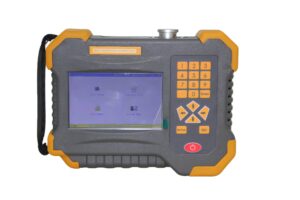
Click the image to know more about Battery Impedance Tester.
What Does Specific Gravity Tell You About a Battery?
Specific gravity measures the density of the electrolyte inside a flooded lead-acid battery.
The reading indicates the concentration of sulfuric acid and helps determine the battery’s state of charge.
Typical values include:
- 1.265–1.280 = Fully charged
- Around 1.200 = Partially charged
- Around 1.100 = Discharged
Consistent readings across all cells usually indicate a healthy battery. Significant differences between cells may suggest sulfation, aging, or internal damage.
How Does a Hydrometer Measure Battery Specific Gravity?
A hydrometer works by drawing electrolyte into a tube that contains a floating indicator.
The float rises or falls depending on the density of the electrolyte, and the value is read directly from the scale.
To obtain accurate results:
- Fully charge the battery first
- Test at a stable temperature
- Measure each cell individually
Hydrometers are simple tools that have been used for decades in battery maintenance.
What Are the Advantages and Disadvantages of Hydrometers?
| Feature | Advantage | Limitation |
|---|---|---|
| Cost | Very affordable | May require replacement over time |
| Operation | No power supply needed | Direct contact with acid |
| Portability | Easy to carry | Manual testing required |
| Accuracy | Good when calibrated | Reading errors can occur |
Hydrometers remain useful for occasional inspections and educational purposes, especially when budgets are limited.
Why Are Digital Battery Testers Becoming More Popular?
Digital testers use electronic sensors to measure specific gravity quickly and accurately.
Many modern units include:
- Automatic temperature compensation
- Digital displays
- Data storage
- Bluetooth communication
- Report generation
Unlike hydrometers, digital testers reduce the need to handle battery acid directly, improving operator safety.
What Benefits Do Digital Specific Gravity Testers Offer?
Digital battery testers provide several advantages:
Improved Accuracy
Many digital models achieve measurement accuracy as high as ±0.001.
Better Safety
No manual suction of electrolyte is required, reducing exposure to acid.
Faster Testing
Multiple battery cells can be tested quickly.
Data Management
Test records can be stored, exported, and analyzed automatically.
These benefits make digital testers ideal for substations, power plants, battery factories, and renewable energy systems.
Why Is Specific Gravity Testing Important?
Specific gravity is one of the most reliable indicators of battery condition.
Regular testing helps users:
- Monitor state of charge
- Detect weak cells
- Identify sulfation early
- Prevent unexpected failures
- Extend battery service life
A drop of approximately 0.010 in specific gravity can represent about 20% loss of battery capacity.
Routine testing allows maintenance teams to address problems before they become critical.
Which Method Provides Better Accuracy?
Digital testers generally outperform hydrometers in terms of accuracy and consistency.
Accuracy Comparison
| Testing Method | Typical Accuracy | Temperature Compensation | Best Application |
|---|---|---|---|
| Hydrometer | ±0.005 | Manual | Occasional field inspections |
| Digital Tester | ±0.001 | Automatic | Professional maintenance and production |
Automatic temperature correction allows digital devices to maintain reliable measurements under changing environmental conditions.
Which Tool Is Better for Battery Manufacturing Facilities?
For battery production lines and large-scale testing operations, digital testers are usually the better choice.
Reasons include:
- Faster testing speed
- Automatic data collection
- Reduced human error
- Easy integration into quality control systems
Hydrometers may still be suitable for small workshops and occasional inspections, but digital solutions provide greater efficiency for high-volume operations.
When Should You Use a Hydrometer?
A hydrometer may be suitable when:
- Budget is limited
- Only occasional testing is required
- No electrical power is available
- Basic battery checks are sufficient
It remains a practical tool for field technicians and educational training programs.
When Should You Choose a Digital Tester?
A digital tester is recommended when:
- High accuracy is required
- Frequent testing is performed
- Safety is a priority
- Data recording is necessary
- Large battery systems are being monitored
Digital instruments are especially valuable for utility companies, battery manufacturers, and critical backup power systems.
How Is New Technology Improving Battery Specific Gravity Testing?
Modern digital testers now include advanced technologies such as:
- Bluetooth communication
- Cloud-based data storage
- Mobile app integration
- AI-assisted battery diagnostics
- Automatic report generation
These features help maintenance teams manage battery fleets more efficiently and reduce inspection time.
Conclusion
Both hydrometers and digital testers can measure battery specific gravity, but digital testers offer higher accuracy, greater safety, and improved efficiency.
Hydrometers remain a low-cost option for occasional battery checks, while digital testers are the preferred solution for industrial facilities, battery manufacturers, utility companies, and large-scale maintenance programs.
For organizations that require reliable battery diagnostics and long-term asset management, digital specific gravity testers provide the best overall value.
Frequently Asked Questions
Q: Which is more accurate, a hydrometer or a digital battery tester?
A: Digital battery testers are generally more accurate, often achieving ±0.001 accuracy compared to approximately ±0.005 for hydrometers.
Q: Can a digital tester completely replace a hydrometer?
A: In most industrial and commercial applications, yes. Digital testers provide faster, safer, and more consistent measurements.
Q: What is a normal specific gravity reading for a fully charged lead-acid battery?
A: A fully charged flooded lead-acid battery typically measures between 1.265 and 1.280 at 77°F (25°C).
Q: Why is cell-to-cell consistency important during testing?
A: Large differences between cells may indicate sulfation, capacity loss, or internal battery faults.
Q: How often should battery specific gravity be tested?
A: Critical batteries should be tested monthly, while standard maintenance programs may perform testing quarterly.
Q: Does temperature affect specific gravity readings?
A: Yes. Temperature changes can influence readings. Digital testers automatically compensate for temperature, while hydrometers usually require manual correction.
Q: Are digital specific gravity testers suitable for battery manufacturing plants?
A: Yes. They support high-volume testing, automated quality control, and digital record keeping.
Q: Can specific gravity testing help predict battery failure?
A: Yes. Regular testing can identify weak or deteriorating cells before they cause system failures.
Q: What industries use battery specific gravity testers most often?
A: Utilities, telecommunications, battery manufacturing, renewable energy, transportation, and industrial facilities commonly use these instruments.
Q: What is the best tool for testing large battery banks?
A: Digital specific gravity testers are generally the best option because they provide fast, accurate, and repeatable measurements across multiple battery cells.
