

Why High-Voltage Testing Is Essential for Modern Power Grids
Learn how high-voltage testing improves transformer performance, reduces power outages, and supports preventive maintenance. Discover the best testing solutions for substations, transmission lines, and power utilities.
As power grids continue to expand, utilities face increasing challenges in maintaining reliability, safety, and operational efficiency. High-voltage testing plays a critical role in identifying equipment problems before failures occur, helping power companies reduce downtime and improve grid performance.
Whether for transformers, substations, transmission lines, or switchgear, regular testing is one of the most effective ways to ensure a stable power supply.
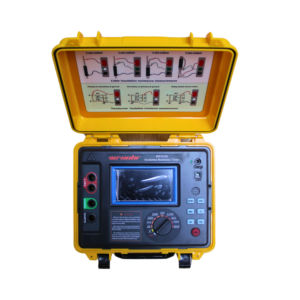
Click the image to know more about Wrindu IR Tester.
What Are the Biggest Challenges in High-Voltage Power Systems?
Many utilities operate large transmission networks that include aging equipment, long-distance transmission lines, and expanding substations.
Common challenges include:
- Rising maintenance costs
- Aging transformers and switchgear
- Equipment failures causing outages
- Limited technical training for maintenance teams
- Long delivery times for imported testing equipment
Without proper testing and diagnostics, small insulation defects or connection problems can develop into costly failures.
Why Is High-Voltage Testing Important?
High-voltage testing helps engineers evaluate the condition of electrical equipment before faults occur.
Benefits include:
- Early fault detection
- Improved grid reliability
- Reduced maintenance costs
- Extended equipment lifespan
- Increased personnel safety
Regular testing also supports preventive maintenance programs, allowing utilities to repair equipment before unexpected breakdowns occur.
Which High-Voltage Tests Are Most Common?
Different electrical assets require different testing methods.
Transformer Testing
Transformers are among the most critical assets in a power network. Common transformer tests include:
- Transformer turns ratio testing
- DC resistance testing
- Insulation resistance testing
- Dielectric loss testing
- CT/PT characteristic testing
These tests help identify insulation aging, winding problems, and performance issues before major failures occur.
Cable Testing
Power cables can deteriorate due to moisture, aging, and insulation damage.
Common cable tests include:
- VLF withstand voltage testing
- Partial discharge testing
- Dielectric loss testing
These methods help locate hidden defects and improve cable reliability.
Switchgear and Busbar Testing
Loop resistance testing is widely used to verify electrical connections and contact quality in switchgear and busbar systems.
Poor connections can generate excessive heat and increase the risk of equipment failure.
How Can Utilities Reduce Testing Costs?
Many utilities rely on imported testing equipment that can be expensive and difficult to maintain.
Modern high-voltage testing manufacturers now offer:
- IEC-compliant testing equipment
- Faster delivery times
- Lower ownership costs
- Local technical support
- On-site training programs
By selecting reliable testing solutions and investing in operator training, utilities can significantly improve maintenance efficiency while reducing operational expenses.
Why Is Technical Training Just as Important as Testing Equipment?
Even the most advanced test instruments require skilled operators.
Regular technical training helps engineers:
- Follow standard testing procedures
- Improve safety practices
- Analyze test data correctly
- Perform accurate fault diagnosis
- Generate professional test reports
A well-trained maintenance team can dramatically improve the effectiveness of any testing program.
How Does Preventive Maintenance Improve Grid Reliability?
Preventive maintenance uses testing data to identify problems before equipment fails.
Advantages include:
- Fewer unplanned outages
- Lower repair costs
- Improved power quality
- Better asset management
- Longer service life for transformers and substations
For modern utilities, preventive maintenance is one of the most cost-effective strategies for maintaining grid reliability.
FAQs
What is high-voltage testing?
High-voltage testing is the process of evaluating electrical equipment under controlled conditions to verify insulation integrity, safety, and performance.
Why is transformer testing important?
Transformer testing helps detect insulation degradation, winding defects, and other problems before they lead to failures.
What equipment is used for high-voltage testing?
Common equipment includes transformer test sets, insulation resistance testers, dielectric loss analyzers, CT/PT analyzers, cable fault locators, and VLF test systems.
How often should high-voltage equipment be tested?
Testing intervals depend on equipment type, operating conditions, and utility maintenance standards. Many utilities perform annual or scheduled condition assessments.
What are the benefits of preventive maintenance testing?
Preventive maintenance reduces outages, lowers maintenance costs, improves safety, and extends equipment lifespan.
Conclusion
Reliable power systems depend on accurate testing and proactive maintenance. High-voltage testing enables utilities to detect faults early, improve equipment performance, and reduce long-term operating costs. As power networks continue to grow, investing in advanced testing solutions and technical training will remain essential for ensuring grid safety, reliability, and efficiency.
