

How Does Dielectric Withstand Testing Protect High-Voltage Electrical Equipment
Learn how dielectric withstand testing, hipot testing, and insulation leakage testing help verify electrical insulation integrity. Discover AC and DC hipot test methods, leakage current analysis, insulation failure causes, and high-voltage testing solutions for transformers, cables, and substations from Wrindu.
Dielectric withstand testing is one of the most important procedures used to verify the insulation integrity of electrical equipment. In high-voltage systems, insulation failure can lead to electrical flashover, equipment damage, operational downtime, and serious safety hazards.
To prevent these risks, manufacturers and maintenance engineers perform dielectric withstand tests—commonly known as hipot testing—to confirm that insulation systems can safely tolerate voltages above normal operating conditions.
This article explains how dielectric withstand testing works, why insulation leakage testing matters, and how modern hipot testing improves the reliability of electrical infrastructure.
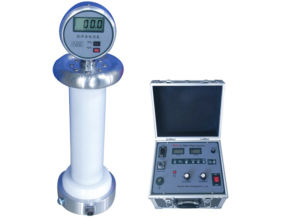
Click the image to know more about DC Withstand Voltage Tester.
Why Is Insulation Verification Critical in Electrical Systems?
Electrical insulation separates conductive parts and prevents unwanted current flow. When insulation weakens, leakage current may increase and eventually cause failure.
Insulation degradation can occur because of:
- Moisture contamination
- Thermal aging
- Dust accumulation
- Mechanical stress
- Chemical exposure
- Overvoltage conditions
Without proper testing, hidden insulation defects may remain undetected until catastrophic failure occurs.
Dielectric withstand testing helps identify these problems before equipment enters operation.
What Is a Dielectric Withstand Test?
A dielectric withstand test evaluates whether insulation materials can tolerate a specified high voltage without electrical breakdown.
During the test, voltage is applied between conductive components and grounded parts for a controlled period. If insulation remains stable and leakage current stays within acceptable limits, the equipment passes the test.
This procedure is commonly called:
- Hipot testing
- High-potential testing
- Insulation leakage testing
- Voltage withstand testing
The main goal is to confirm insulation safety under elevated electrical stress.
How Does Hipot Testing Work?
Hipot testing intentionally applies voltage higher than normal operating levels to verify insulation strength.
Basic Hipot Testing Process
| Stage | Purpose |
|---|---|
| Equipment connection | Attach test leads safely |
| Voltage increase | Raise voltage gradually |
| Leakage monitoring | Observe leakage current behavior |
| Hold period | Maintain test voltage |
| Evaluation | Determine pass or failure |
If leakage current rises excessively or insulation breaks down, the equipment fails the test.
What Types of Dielectric Withstand Tests Are Commonly Used?
Different applications require different testing approaches depending on equipment type and insulation structure.
Main Types of Hipot Testing
| Test Type | Typical Application |
|---|---|
| AC hipot testing | General insulation verification |
| DC hipot testing | Cable and capacitor systems |
| Insulation resistance testing | Routine maintenance |
| Step voltage testing | Insulation aging analysis |
| Leakage current testing | Quality verification |
Each method provides different insights into insulation condition and electrical reliability.
Why Is Leakage Current Important During Hipot Testing?
Leakage current represents the small amount of electrical current that flows through insulation under high voltage stress.
A stable insulation system produces minimal leakage current. Excessive leakage may indicate:
- Moisture ingress
- Insulation contamination
- Surface tracking
- Material degradation
- Internal insulation defects
Monitoring leakage current helps engineers evaluate insulation quality and predict potential failures before they occur.
What Equipment Requires Insulation Leakage Testing?
Many industrial and utility systems require periodic dielectric withstand verification.
Commonly Tested Equipment
- Power transformers
- High-voltage cables
- Circuit breakers
- Switchgear
- Electric motors
- Generators
- Battery systems
- Industrial control panels
Testing helps ensure electrical safety and compliance with industry standards.
How Does AC Hipot Testing Differ from DC Hipot Testing?
AC and DC hipot testing methods are designed for different insulation structures and operational requirements.
Comparison of AC and DC Hipot Testing
| Feature | AC Hipot Test | DC Hipot Test |
|---|---|---|
| Voltage waveform | Alternating current | Direct current |
| Suitable for | General equipment | Long cables and capacitive loads |
| Test duration | Shorter | Often longer |
| Equipment complexity | Higher | Lower |
| Leakage characteristics | More realistic operating simulation | Lower charging current |
Selecting the correct test method depends on equipment design and applicable standards.
What Can Cause a Dielectric Withstand Test Failure?
Several insulation problems may lead to hipot testing failure.
Common Failure Causes
Moisture Penetration
Water contamination reduces insulation resistance.
Aging Insulation Materials
Thermal stress weakens dielectric performance over time.
Surface Contamination
Dust and oil create conductive leakage paths.
Manufacturing Defects
Poor insulation assembly may create weak points.
Mechanical Damage
Cracks or abrasion may compromise insulation layers.
Identifying these issues early improves operational reliability and reduces unexpected outages.
How Does Dielectric Testing Improve Electrical Safety?
High-voltage systems operate under significant electrical stress. Weak insulation increases the risk of:
- Electric shock
- Flashover
- Arc faults
- Equipment destruction
- Fire hazards
Dielectric withstand testing verifies that insulation systems can safely tolerate abnormal voltage conditions.
This helps utilities and industrial operators improve:
- Personnel safety
- Equipment reliability
- Maintenance planning
- Compliance performance
- Operational continuity
Which Standards Govern Hipot Testing Procedures?
Several international standards define dielectric testing requirements for electrical equipment.
Common Standards Include
| Standard | Purpose |
|---|---|
| IEC 60060 | High-voltage test techniques |
| IEC 60243 | Electrical strength of insulation |
| IEEE standards | Electrical equipment safety |
| ASTM standards | Material dielectric testing |
Compliance with these standards helps ensure testing consistency and insulation reliability.
How Does Environmental Exposure Affect Insulation Performance?
Environmental conditions strongly influence insulation lifespan and leakage behavior.
Major Environmental Factors
- Humidity
- Temperature cycling
- Dust contamination
- Salt fog exposure
- UV radiation
- Chemical pollution
Outdoor substations and industrial facilities often experience harsher conditions that accelerate insulation aging.
Routine insulation leakage testing helps detect environmental damage before major failures occur.
How Wrindu Testers Stand Out
As a professional manufacturer of electrical testing equipment, Wrindu develops advanced dielectric withstand testing systems designed for stable performance in demanding industrial environments.
Advantages of Wrindu Hipot Testing Equipment
- High-voltage output stability
- Accurate leakage current monitoring
- Strong anti-interference capability
- Reliable insulation analysis functions
- Industrial-grade safety protection
- Durable design for field applications
- Comprehensive quality inspection procedures
Wrindu products are widely applied in:
- Transformer testing
- Cable diagnostics
- Circuit breaker maintenance
- Substation inspection
- Preventive electrical maintenance
By combining advanced insulation testing technology with robust engineering design, Wrindu helps customers improve electrical safety and long-term equipment reliability.
What Should Buyers Consider When Selecting Hipot Testing Equipment?
Choosing suitable dielectric withstand testing equipment requires evaluating both technical performance and operational reliability.
Important Selection Criteria
- Output voltage range
- Leakage current accuracy
- Safety protection systems
- Portability requirements
- Environmental durability
- Compliance certifications
- Technical support capability
Industrial users should prioritize manufacturers with strong experience in high-voltage insulation diagnostics.
Conclusion
Dielectric withstand testing remains one of the most effective methods for evaluating insulation integrity in electrical equipment. Through controlled high-voltage stress testing, engineers can identify insulation weaknesses, detect leakage problems, and improve electrical safety before equipment failures occur.
As power systems become increasingly complex and reliability requirements continue rising, hipot testing and insulation leakage testing will remain essential tools for preventive maintenance and quality assurance.
Manufacturers like Wrindu official website continue advancing dielectric testing technology to support safer, more reliable, and longer-lasting electrical infrastructure worldwide.
FAQs
What is the purpose of a dielectric withstand test?
The test verifies whether electrical insulation can safely tolerate high voltage without breakdown or excessive leakage current.
How is hipot testing different from insulation resistance testing?
Hipot testing applies much higher voltage stress to evaluate insulation strength, while insulation resistance testing measures resistance under lower voltage conditions.
Why does leakage current increase during insulation failure?
Damaged or contaminated insulation allows more electrical current to flow through unintended paths.
Which industries commonly perform dielectric withstand testing?
Power utilities, manufacturing plants, renewable energy facilities, rail systems, and electrical equipment manufacturers regularly perform hipot testing.
Can moisture affect hipot testing results?
Yes. Moisture contamination significantly reduces insulation resistance and increases leakage current during testing.
Is AC or DC hipot testing better for high-voltage cables?
DC hipot testing is often preferred for long cable systems because it reduces capacitive charging current.
How often should insulation leakage testing be performed?
Testing frequency depends on equipment type, operating environment, and maintenance standards, but periodic inspection is widely recommended.
What safety precautions are required during dielectric testing?
Operators should use grounding systems, warning barriers, insulated protective equipment, and controlled testing procedures to prevent electrical hazards.
