

Ground Resistance Testing Methods, Applications & Testing Frequency Guide
Compare common ground resistance testing methods, learn industry applications, and know how often to perform grounding resistance tests for safety compliance.
What Are the Main Types of Ground Resistance Testing Methods?
Different electrical scenarios and project stages require targeted ground resistance testing methods. The three mainstream testing technologies include 3-point fall-of-potential method, 4-point soil resistivity method and clamp-on ground resistance method, each with unique advantages and applicable scenarios for electrical safety testing.
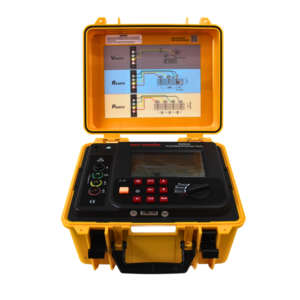
Click the picture to know more about Wrindu Earth Resistance Tester.
What Are the Differences Between Common Testing Methods?
1. 3-Point Fall-of-Potential Method
It is the most accurate and authoritative testing method, mainly used to detect the finished grounding system resistance of substations, transformers and industrial grounding networks. It is suitable for safety inspection, project acceptance and regular maintenance of built grounding systems.
2. 4-Point Soil Resistivity Method
This method is mainly used in the design stage of new projects. It measures soil resistivity to help engineers design scientific grounding grids, lightning protection systems and substation grounding structures, avoiding unqualified grounding design caused by unknown soil conditions.
3. Clamp-On Ground Resistance Testing Method
It is a fast, non-disconnection testing method. It does not need to disassemble grounding wires, features simple operation and high efficiency, and is suitable for daily quick maintenance and batch inspection of multiple grounding loops.
What Industries and Scenarios Need Ground Resistance Testing?
1. Power Utilities and Substations
Test transformer neutral grounding, switchgear grounding and grounding grid performance to ensure safe operation of high-voltage transmission and distribution systems and avoid equipment damage caused by fault current accumulation.
2. Industrial Manufacturing Facilities
Factories test grounding systems to protect motors, production equipment and control systems, eliminating electric leakage and short-circuit safety hazards in industrial production.
3. Renewable Energy Projects
Solar farms and wind power plants rely on ground resistance testing to verify lightning protection performance and inverter system safety, adapting to complex outdoor operating environments.
4. Commercial and Construction Projects
It is used for electrical installation acceptance of new buildings and engineering projects to ensure the grounding system meets national and international safety standards before power-on operation.
How Often Should Ground Resistance Testing Be Performed?
1. New Grounding Systems
All newly installed grounding systems must be tested and accepted before equipment energization to confirm qualified grounding performance.
2. Routine Preventive Maintenance
Most power facilities, industrial plants and renewable energy stations require annual regular testing to detect system aging and corrosion problems in advance.
3. Special Scenario Testing
Additional testing is required after system modification, grounding equipment maintenance, lightning strikes and electrical faults to confirm the grounding system still works effectively.
FAQs About Ground Resistance Testing Methods & Frequency
Q1: Which ground resistance testing method is best for daily maintenance?
A: The clamp-on testing method is the best choice for daily maintenance due to its fast speed and no need for wire disconnection; the 3-point method is used for regular precision inspection and official acceptance.
Q2: Do solar and wind power projects need regular ground resistance testing?
A: Yes. Renewable energy facilities are exposed to outdoor lightning and complex weather, and annual testing is required to maintain lightning protection and electrical safety performance.
Q3: What is the difference between 3-point and 4-point ground resistance testing?
A: The 3-point method tests the resistance of finished grounding systems, while the 4-point method tests soil resistivity for early grounding system design.
Q4: Is it necessary to test grounding resistance after a lightning storm?
A: Yes. Lightning may damage grounding electrodes and connection points. Post-lightning testing can confirm the grounding system’s fault discharge capacity.
Q5: How often do industrial factories need ground resistance testing?
A: Most industrial facilities conduct tests once a year. Factories with high-power equipment and harsh environments need semi-annual testing for safety supervision.
