

Why Does Transformer Oil BDV Testing Give Different Results?
Find out why transformer oil BDV readings vary, how moisture and electrodes affect repeatability, and how to investigate inconsistent test results.
Transformer oil breakdown voltage (BDV) testing measures the voltage at which an oil sample breaks down under specified electrical conditions. Repeated tests may produce different values, even when engineers test oil from the same transformer.
Some variation can result from the oil’s actual condition. Other differences may come from sample handling, electrode condition, test settings, or the measurement system.
Understanding the cause of variation helps engineers decide whether to repeat the test, inspect the equipment, or investigate changes in oil condition.
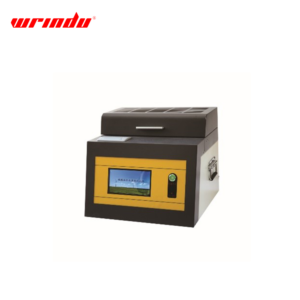
Click the image to know more about Wrindu Oil BDV Tester.
Why Do Repeated Transformer Oil BDV Tests Produce Different Values?
BDV testing involves electrical breakdown in a small volume of insulating liquid. The breakdown point can be affected by the distribution of moisture, particles, bubbles, and other local conditions between the electrodes.
Repeated measurements may therefore differ even when the same sample is used. The size of the variation depends on the oil, the test method, and how consistently the procedure is followed.
A difference between two readings does not automatically mean that the transformer oil condition has changed. Engineers should evaluate the complete set of results and the conditions under which they were obtained.
How Do Moisture and Contamination Cause BDV Test Variation?
Water, solid particles, and other contaminants can influence the dielectric behavior of insulating oil. Their distribution within a sample may not be uniform, so different breakdown events can occur at different voltages.
For example, a sample containing suspended particles may produce variable results if the particles move or settle between measurements. Moisture can also affect breakdown behavior, depending on its concentration, distribution, and the oil’s condition.
When variation is unusual, review the sample handling and consider complementary tests. Water content can be measured using an appropriate method such as Karl Fischer titration, while particle contamination may require separate inspection or analysis.
Can Electrode Spacing and Condition Change BDV Results?
Yes. Electrode geometry and spacing affect the electric field in the test cell. A spacing that differs from the specified value can make the results unsuitable for direct comparison with measurements obtained under the required method.
Damaged, dirty, or incorrectly installed electrodes can also affect the test. Deposits or residual oil from a previous sample may introduce additional variables.
Before repeating a test, verify the electrode arrangement and spacing required by the selected standard. Clean and inspect the electrodes according to the test instrument’s instructions.
Can Test Voltage Settings Affect Breakdown Voltage Measurements?
Yes. The voltage application method is part of the BDV test procedure.
The selected standard may specify the voltage rise rate, electrode arrangement, sample conditioning, and sequence of breakdown measurements. Deviating from these requirements can affect the results and make comparisons unreliable.
Do not compare results from different voltage ramp settings or test methods as if they were obtained under identical conditions. Record the method and settings used for each test.
Does the Oil BDV Test Instrument Affect Repeatability?
The instrument must apply and measure voltage according to its specified performance. Problems with voltage measurement, electrical connections, breakdown detection, or instrument condition may affect the recorded results.
If the readings show unexplained variation, inspect the tester and test cell. Review the instrument’s calibration status, operating instructions, and maintenance records.
A calibration check helps assess measurement performance, but it does not eliminate variation caused by the sample or the test procedure. Both the instrument and the testing process must be evaluated.
How Should You Compare Repeated BDV Test Results?
Start by checking whether all measurements were performed using the same applicable standard, test cell configuration, and procedure. Confirm that sample preparation and test settings were consistent.
Record each breakdown value rather than reporting only the highest reading. Where required, calculate the statistic specified by the applicable method and retain the individual results for review.
| Check | What to review | Why it matters |
|---|---|---|
| Sample identity | Transformer ID, sampling point, date, and time | Confirms that the measurements refer to the intended sample |
| Test method | Standard, edition, and procedure | Prevents inappropriate comparisons between different methods |
| Test cell | Electrode type, spacing, and cleanliness | Confirms that the test geometry is consistent |
| Test settings | Voltage rise rate and other required settings | Helps identify procedural differences |
| Individual results | Every breakdown voltage recorded | Shows the pattern and spread of the measurements |
| Instrument status | Calibration and maintenance records | Helps identify possible measurement-system problems |
| Oil condition | Moisture and other relevant test results | Helps assess whether actual contamination or deterioration may contribute |
The acceptance rule for repeated measurements must come from the selected standard or approved procedure. Do not invent a universal allowable percentage difference or discard an unexpected value without a valid reason.
How Do You Calculate the Average Transformer Oil BDV?
If the applicable procedure requires an arithmetic mean, calculate it by adding the individual breakdown voltages and dividing the total by the number of measurements.
For example, assume a set of five readings is:
| Measurement | BDV result |
|---|---|
| 1 | 42 kV |
| 2 | 44 kV |
| 3 | 41 kV |
| 4 | 43 kV |
| 5 | 40 kV |
| Arithmetic mean | 42 kV |
The mean is:
(42 + 44 + 41 + 43 + 40) ÷ 5 = 42 kV
These values are illustrative and do not represent a recommended acceptance range for transformer oil.
The average alone does not describe all variation in a dataset. Individual readings and the range of results should be retained when the applicable reporting procedure requires them.
Should You Repeat a BDV Test When One Result Is Unusually Low?
An unexpectedly low reading should be investigated, not automatically discarded. It may indicate contamination, a sample-handling issue, an equipment problem, or a genuine difference in the oil’s dielectric performance.
Review the test record and check whether the sample, test cell, electrode setup, and procedure met the applicable requirements. If a procedural error is confirmed, repeat the test according to the relevant method and document the reason.
If no error is identified, follow the standard’s reporting procedure and consider further oil analysis. Do not repeat measurements solely to obtain a higher result.
How Can Engineers Reduce Variation in BDV Test Results?
Consistency is the main practical way to reduce avoidable variation.
Use a documented sampling procedure, clean and dry equipment, the specified electrode arrangement, and the required voltage application method. Follow the same standard when comparing historical results.
Maintain the tester according to the manufacturer’s instructions and keep records of calibration, cleaning, and maintenance. Train personnel to follow the same sample-handling and test sequence.
For a related guide, read How to Prepare a Transformer Oil Sample for BDV Testing once that supporting page is published.
When Should You Investigate the Transformer Oil Instead of the Test Setup?
If repeated tests follow the required procedure but the results remain unexpectedly low or differ significantly from historical measurements, investigate the oil condition.
Review the transformer maintenance history and compare BDV results with other relevant measurements. Depending on the application, these may include water content, acidity, dielectric dissipation factor, resistivity, or dissolved gas analysis.
Each method evaluates different aspects of oil condition. A low BDV result alone cannot identify the cause of deterioration or establish that oil replacement is necessary.
What Are the Most Common Questions About Inconsistent BDV Results?
Is it normal for repeated BDV readings to differ?
Some variation can occur because breakdown depends on the sample and test conditions. The results should be evaluated according to the selected standard’s procedure and reporting requirements.
Should I use the highest BDV reading?
No. Report and evaluate results according to the applicable method. Selecting only the highest reading can misrepresent the sample’s measured performance.
Can a calibrated tester still produce different BDV readings?
Yes. Calibration supports confidence in the measurement system, but sample characteristics and the test process can still produce variation.
Does a low BDV result always mean the oil is bad?
No. A low result may reflect actual oil condition or a problem with sampling or testing. Further investigation may be needed.
Can I compare BDV results from different laboratories?
Only with care. Check whether the laboratories used compatible methods, electrode arrangements, sample handling procedures, and reporting rules before comparing their results.
