

Common Circuit Breaker Problems and How to Fix Them
Learn the most common circuit breaker problems such as failure to reset, overheating, nuisance tripping, and noise issues. Discover practical troubleshooting steps and how Wrindu electrical testing equipment helps ensure reliable fault diagnosis.
Circuit breakers are reliable protection devices, but they can still develop problems over time due to wear, environmental conditions, or electrical system changes. When issues occur, they may cause unexpected tripping, power instability, or even failure to protect the circuit properly.
This article explains the most common circuit breaker problems, their causes, and practical troubleshooting methods.
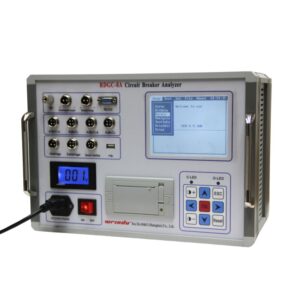
Click the image to know more about Circuit Breaker Comprehensive Tester.
Why Does a Circuit Breaker Fail to Reset?
A breaker that will not reset usually indicates an unresolved electrical fault.
Possible Causes:
- Persistent short circuit in the system
- Severe leakage current
- Damaged wiring or insulation
- Internal breaker mechanical failure
How to Fix It:
- Disconnect all loads from the circuit
- Inspect cables and outlets for damage
- Test insulation resistance
- If no external fault is found, replace the breaker
Why Does a Circuit Breaker Trip Without Load?
If a breaker trips even when no appliances are connected, the problem is usually internal or hidden in the wiring.
Common Reasons:
- Hidden short circuit in wiring
- Moisture inside electrical box
- Faulty breaker mechanism
- Leakage current in underground cables
Troubleshooting Steps:
- Check all wiring connections
- Dry the panel if moisture is present
- Perform insulation testing
- Replace faulty breaker if necessary
What Causes a Circuit Breaker to Overheat?
Overheating is a serious warning sign that should not be ignored.
Main Causes:
- Loose terminal connections
- Overloaded circuit
- Aging breaker contacts
- Poor ventilation in panel
Solutions:
- Tighten all electrical connections
- Reduce circuit load
- Replace worn-out breakers
- Improve panel airflow
Why Does a Circuit Breaker Make Noise?
Unusual sounds like buzzing or humming often indicate internal electrical stress.
Possible Causes:
- Loose internal contacts
- Harmonic distortion in load
- Aging components
- Overcurrent conditions
What You Should Do:
- Reduce load immediately
- Inspect for loose wiring
- Test circuit condition with instruments
- Replace breaker if noise persists
What Causes Frequent Nuisance Tripping?
Nuisance tripping refers to a breaker that trips even when the system is operating normally.
Common Causes:
- Oversensitive breaker rating
- Motor starting current
- Voltage fluctuations
- Faulty leakage protection device
How to Fix It:
- Match breaker rating to actual load
- Use time-delay breakers for motors
- Stabilize power supply
- Check leakage protection sensitivity
Why Does a Breaker Trip Only at Certain Times?
Intermittent tripping is often related to variable load or environmental conditions.
Possible Reasons:
- Peak load during specific hours
- Temperature changes affecting resistance
- Moisture-related leakage
- Intermittent equipment faults
Troubleshooting Approach:
- Monitor load patterns
- Check environmental conditions
- Use logging instruments for analysis
Can Circuit Breaker Problems Be Prevented?
Yes. Most breaker issues can be prevented through proper maintenance and monitoring.
Preventive Measures:
- Regular electrical inspections
- Periodic insulation testing
- Load balancing across circuits
- Cleaning electrical panels
- Tightening terminals regularly
Preventive maintenance reduces unexpected downtime and improves system safety.
Why Is Electrical Testing Important for Breaker Diagnosis?
Many circuit breaker problems cannot be identified visually. Electrical testing is essential for accurate diagnosis.
Key Tests Include:
- Contact resistance testing
- Insulation resistance testing
- Leakage current measurement
- Thermal inspection
- Trip time analysis
These tests help identify hidden faults before they cause failure.
How Wrindu Testers Stand Out
Wrindu provides advanced electrical testing equipment designed for accurate circuit breaker diagnostics and power system maintenance.
Key Advantages:
- High measurement accuracy
- Stable performance in field conditions
- Fast fault detection capability
- Easy operation for engineers
- Suitable for preventive maintenance programs
Wrindu equipment supports:
- Circuit breaker fault diagnosis
- Contact and insulation testing
- Electrical system troubleshooting
- Power distribution maintenance
- Transformer and cable testing
These tools help engineers quickly identify breaker issues and improve system reliability.
FAQs
Why does my circuit breaker trip randomly?
It may be caused by intermittent faults, overload conditions, or insulation leakage.
Can a bad breaker cause power flickering?
Yes. Faulty internal contacts can cause unstable power delivery.
How do I know if my breaker is faulty?
Signs include overheating, noise, frequent tripping, or failure to reset.
Is it safe to keep using a tripping breaker?
No. Continuous tripping indicates an underlying electrical problem.
Can weather affect circuit breaker performance?
Yes. Humidity and temperature changes can impact insulation and leakage current.
How often should breakers be tested?
Industrial systems are typically tested every 6–12 months depending on operating conditions.
What is the most common breaker failure?
Loose connections and contact wear are among the most common issues.
Can testing equipment detect breaker problems early?
Yes. Electrical testing instruments can identify hidden faults before failure occurs.
