

Why Is Pressure Decay Testing Essential for Electrical Enclosure Leak Detection
Discover how pressure decay testing helps detect enclosure leaks in high-voltage electrical equipment. Learn about pressure leak testing methods, enclosure leak test procedures, IP67 waterproof verification, and leak-resistant solutions for transformers, substations, and industrial electrical systems from Wrindu.
Pressure decay testing is a critical inspection method used to evaluate whether electrical equipment enclosures can maintain airtight sealing under operating conditions. In modern power systems, even minor enclosure leakage may allow moisture, dust, or contaminants to enter sensitive electrical components, increasing the risk of insulation deterioration and equipment malfunction.
For manufacturers of high-voltage testing devices, transformers, switchgear, and industrial electrical systems, pressure leak testing has become an important quality control procedure for ensuring long-term reliability.
This article explains how pressure decay testing works, where it is applied, and why it plays an important role in enclosure leak verification.
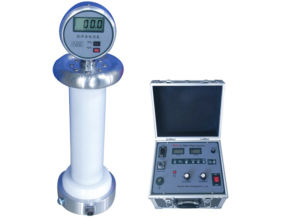
Click the image to know more about DC Withstand Voltage Tester.
What Problems Can Leakage Cause in Electrical Equipment?
Electrical systems are often exposed to demanding environmental conditions that challenge enclosure sealing performance.
Common environmental risks include:
- Heavy humidity
- Rain exposure
- Dust contamination
- Temperature variation
- Oil vapor
- Chemical corrosion
If enclosure leakage occurs, several operational problems may develop:
- Internal condensation
- Reduced dielectric strength
- Corrosion of conductive parts
- Increased leakage current
- Measurement instability
- Premature insulation failure
Reliable enclosure sealing helps maintain electrical safety and equipment lifespan.
What Is Pressure Decay Testing?
Pressure decay testing is a non-destructive leak inspection process that determines whether an enclosure can hold stable internal pressure over a specified testing period.
The method works by introducing compressed air or gas into a sealed enclosure and monitoring pressure behavior after isolation from the supply source.
If the enclosure contains leakage paths, pressure gradually decreases during the observation stage.
This testing method is widely used for:
- High-voltage testing equipment
- Industrial control cabinets
- Waterproof electrical enclosures
- Transformer housings
- Battery systems
- Cable testing devices
- Outdoor electrical instruments
How Does a Pressure Decay Test Operate?
The testing process follows several controlled stages to ensure accurate leak evaluation.
Standard Testing Procedure
| Stage | Function |
|---|---|
| Pressurization | Inject test gas into enclosure |
| Stabilization | Allow pressure and temperature equalization |
| Isolation | Disconnect pressure source |
| Monitoring | Record pressure behavior |
| Evaluation | Analyze pressure loss rate |
A stable enclosure maintains pressure within acceptable limits, while leakage causes measurable pressure reduction.
Why Do Manufacturers Use Pressure Leak Testing?
Pressure leak testing offers practical advantages for industrial production environments.
Main Advantages
| Benefit | Industrial Value |
|---|---|
| Fast testing cycle | Supports mass production |
| Non-destructive process | Protects equipment integrity |
| Easy automation | Integrates with production systems |
| Cost-efficient operation | Lower testing cost |
| Reliable repeatability | Improves quality consistency |
Because of its efficiency and scalability, pressure decay testing is widely used in enclosure quality assurance programs.
Which Electrical Systems Require Enclosure Leak Tests?
Many electrical devices depend on effective sealing to protect insulation systems and sensitive electronic components.
Commonly Tested Equipment
- HV insulation testers
- Circuit breaker analyzers
- Transformer diagnostic equipment
- Portable cable testers
- Battery analyzers
- GIS switchgear
- Outdoor monitoring systems
- Renewable energy control systems
Leak testing becomes especially important for equipment operating in outdoor substations or humid industrial environments.
How Does Pressure Decay Testing Help Waterproof Enclosures?
Waterproof electrical systems rely heavily on enclosure integrity.
Pressure decay testing helps verify whether sealing systems can withstand environmental exposure before IP certification procedures are performed.
Typical Enclosure Protection Ratings
| IP Level | Protection Description |
|---|---|
| IP65 | Resistant to water jets |
| IP67 | Protected during temporary immersion |
| IP68 | Suitable for continuous immersion |
Proper pressure leak testing improves confidence that the enclosure can resist water intrusion during real operating conditions.
What Factors Influence Pressure Leak Test Accuracy?
Several variables affect testing precision and repeatability.
Important Influencing Factors
Ambient Temperature
Temperature changes affect gas pressure and may alter measurement results.
Sensor Precision
High-quality pressure sensors improve detection capability.
Enclosure Volume
Large enclosures require longer stabilization periods.
Seal Material Flexibility
Some materials slightly deform under pressure conditions.
Test Duration
Longer monitoring periods improve leak detection sensitivity.
Accurate testing requires controlled environmental conditions and calibrated instrumentation.
How Does Pressure Decay Testing Compare with Other Leak Detection Methods?
Different leak testing technologies provide varying levels of sensitivity.
Comparison of Common Leak Detection Methods
| Method | Sensitivity | Typical Use |
|---|---|---|
| Soap bubble inspection | Low | Simple field checks |
| Pressure decay testing | Medium to high | Industrial production |
| Vacuum testing | High | Sealed enclosure systems |
| Helium leak testing | Ultra-high | Precision applications |
Pressure decay testing provides an effective balance between cost, speed, and detection capability for many electrical equipment applications.
Why Is Leak Resistance Critical for Outdoor Electrical Equipment?
Outdoor electrical infrastructure operates under severe environmental stress.
Common Outdoor Challenges
- Rainstorms
- Condensation buildup
- Coastal salt exposure
- Wind-driven dust
- UV radiation
- Thermal cycling
If enclosure leakage occurs outdoors, moisture intrusion may damage insulation systems and reduce operational reliability.
Proper enclosure leak testing helps improve long-term field performance and reduces maintenance frequency.
How Do Modern Enclosure Designs Improve Leak Protection?
Manufacturers now use advanced sealing technologies to strengthen enclosure durability.
Modern Leak Protection Technologies
- Multi-layer gasket systems
- Pressure equalization vents
- Corrosion-resistant coatings
- Flexible silicone seals
- Precision CNC-machined enclosure joints
- Anti-condensation structures
These improvements help electrical equipment maintain stable sealing performance even under harsh environmental conditions.
How Wrindu Testers Stand Out
As a professional manufacturer of electrical testing equipment, Wrindu focuses on developing durable systems with strong enclosure protection and reliable leak resistance.
Key Advantages of Wrindu Equipment
- Advanced pressure decay testing procedures
- Industrial-grade sealing technology
- IP67 enclosure protection capability
- Stable performance in humid environments
- Durable anti-corrosion structural materials
- Strict production quality inspection
- Reliable operation for outdoor substations
Wrindu testing systems are widely used in:
- Transformer maintenance
- Cable diagnostics
- Circuit breaker analysis
- High-voltage insulation testing
- Preventive maintenance applications
By combining advanced enclosure engineering with rigorous leak inspection processes, Wrindu helps customers improve operational safety and long-term equipment stability.
What Should Buyers Consider When Selecting Pressure Leak Testing Equipment?
Industrial users should evaluate multiple technical factors before choosing leak testing systems.
Key Selection Criteria
- Pressure measurement stability
- Leak detection sensitivity
- Automation compatibility
- Environmental durability
- IP protection capability
- Calibration reliability
- Manufacturer technical support
Working with experienced manufacturers improves testing accuracy and long-term operational reliability.
Conclusion
Pressure decay testing remains one of the most important methods for verifying enclosure sealing performance in electrical equipment manufacturing. By identifying leakage problems before products enter service, manufacturers can improve insulation protection, prevent moisture intrusion, and extend equipment lifespan.
As electrical systems continue expanding into demanding industrial and outdoor environments, reliable enclosure leak testing will remain essential for ensuring safety and operational stability.
Manufacturers like Wrindu official website continue advancing leak-resistant enclosure technologies and pressure verification systems to support the evolving needs of modern power infrastructure.
FAQs
How does pressure decay testing detect enclosure leakage?
The enclosure is filled with pressurized gas and monitored for pressure loss. Any measurable pressure reduction may indicate leakage.
Why is pressure leak testing important for high-voltage equipment?
Leak testing helps prevent moisture intrusion that can damage insulation systems and reduce electrical safety.
Can pressure decay testing support IP67 enclosure certification?
Yes. Pressure decay testing is commonly used during enclosure quality verification before waterproof certification procedures.
What industries frequently use enclosure leak testing?
Power utilities, renewable energy, industrial automation, rail transit, telecommunications, and transformer manufacturing industries commonly perform enclosure leak testing.
What causes pressure decay inside electrical enclosures?
Pressure loss may result from damaged gaskets, poor sealing surfaces, loose fittings, material aging, or microscopic cracks.
Is pressure decay testing suitable for large electrical cabinets?
Yes. The method can be adapted for both small portable devices and large industrial enclosure systems.
How often should enclosure leak inspections be performed?
Manufacturers usually perform testing during production, while field maintenance schedules depend on operating conditions and environmental exposure.
What is the difference between pressure decay and vacuum leak testing?
Pressure decay testing measures pressure loss from inside the enclosure, while vacuum testing monitors external air entering the system under vacuum conditions.
