

Partial Discharge Testing Explained for High Voltage Equipment
Learn what partial discharge testing is in transformers and high-voltage systems, how it improves power reliability, and where it is used in GIS, cables, and rotating machines. Discover PD measurement methods and commonly used diagnostic instruments.
What Is Partial Discharge Testing in High Voltage Systems?
Partial discharge (PD) testing is a diagnostic method used to evaluate the insulation condition of medium and high-voltage equipment such as transformers, cables, rotating machines, and GIS systems.
It helps detect early-stage insulation defects before they lead to breakdown or failure.
According to modern PD systems, such as the Power Diagnostix Systems GmbH ICM series, PD activity can be measured using electrical, acoustic, or UHF sensors depending on the application.
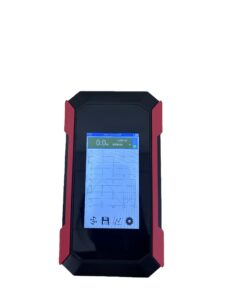
Click the picture to know more about Comprehensive PD Tester.
Why Is Partial Discharge Important for Power Equipment Reliability?
Partial discharge is often the first sign of insulation degradation.
If ignored, it can evolve into full insulation failure.
PD monitoring is widely used in:
- Transformers
- Gas-insulated switchgear (GIS)
- Power cables
- Rotating machines
Modern systems such as the ICMsystem Generation 5 allow real-time detection and classification of insulation defects.
How Does Partial Discharge Measurement Work?
PD measurement systems capture electrical pulses generated inside insulation defects.
Key detection methods include:
- IEC 60270 electrical PD measurement
- UHF detection (GIS systems)
- Acoustic detection
- HF current sensing
Advanced systems like ICMcompact combine spectrum analysis and phase-resolved pattern analysis for accurate diagnostics.
What is partial discharge testing in transformers?
Partial discharge (PD) testing in transformers is a diagnostic method used to detect small electrical discharges inside the insulation system before a full breakdown occurs. These discharges usually appear in weak points such as voids, cracks, or contaminated insulation. In modern systems, PD testing helps evaluate the condition of transformer windings, bushings, and insulation structures without damaging the equipment. It is widely used in condition monitoring systems like online PD analyzers to ensure transformers remain safe and reliable during long-term operation.
How does PD testing improve power system reliability?
PD testing improves power system reliability by identifying insulation defects at an early stage, before they develop into serious failures. By detecting abnormal discharge activity, operators can plan maintenance in advance and avoid unexpected outages. This reduces the risk of transformer failure, cable breakdown, or GIS flashover. Continuous or periodic PD monitoring also helps track insulation aging trends, allowing utilities to extend equipment lifespan and improve overall grid stability.
Which instruments are used for PD detection?
A wide range of instruments is used for PD detection depending on the application. These include portable PD detectors, online monitoring systems, and multi-channel analyzers. Common solutions include spectrum-based analyzers, acoustic sensors, and UHF detection systems for high-frequency signal capture. Advanced instruments such as the Power Diagnostix Systems GmbH ICM series—like portable monitors, multi-channel PD systems, and GIS monitoring devices—are widely used for transformers, cables, and gas-insulated switchgear.
Why is PD monitoring important in GIS systems?
PD monitoring is especially important in Gas Insulated Switchgear (GIS) because internal defects are not visible and can develop rapidly under high voltage stress. GIS systems often operate in SF6 gas environments where partial discharge signals travel at very high frequencies, making UHF detection essential. Continuous monitoring helps detect issues such as floating particles, insulation cracks, or spacer defects. Early detection ensures safe operation, prevents catastrophic failures, and improves the long-term reliability of high-voltage substations.
Where Is Partial Discharge Testing Used?
Is PD testing used in transformers?
Yes. It detects insulation defects in windings, bushings, and tap changers.
Is PD testing important for cables?
Yes. Especially for XLPE cables where installation defects can cause early failure.
Is PD monitoring used in GIS systems?
Yes. UHF sensors detect high-frequency discharge signals inside SF6-insulated systems.
FAQs
What is partial discharge testing used for?
It is used to detect insulation defects in high-voltage electrical equipment.
Can PD testing prevent power failures?
Yes, it helps identify faults early before breakdown occurs.
What equipment is used for PD measurement?
Devices like ICMsystem, ICMcompact, and GISmonitor systems are commonly used.
