

Transformer Bushing Capacitance Test: Purpose, Procedure & Defect Interpretation
Learn the purpose and procedure of transformer bushing capacitance tests. Understand common defects, result interpretation, and testing limitations for bushing maintenance.
What Is a Transformer Bushing Capacitance Test?
A transformer bushing capacitance test is a fundamental routine maintenance measurement used to check the structural and insulation integrity of high-voltage transformer bushings. It detects the capacitance value between the central conductor and the grounded flange of the bushing. A healthy, stable bushing maintains nearly constant capacitance throughout its operating life, making value comparison one of the easiest and most reliable early warning methods for field engineers.
Unlike complex diagnostic tests, capacitance testing is fast, non-destructive, and suitable for regular periodic inspection in power substations and industrial transformer systems.
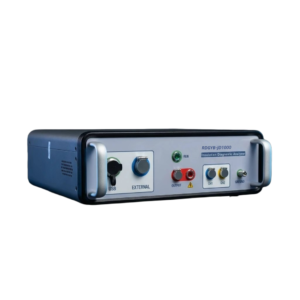
Click the image to know more about Wrindu Frequency Domain Dielectric Response Insulation Diagnostic Analyzer.
What Does Capacitance Testing Detect in Transformer Bushings?
Internal Structural Deformation
Transformer bushings adopt multi-layer oil-paper insulation structures. Mechanical deformation, layer displacement, or internal loosening will directly change the dielectric distance and insulation structure, resulting in obvious capacitance deviation.
Moisture and Contamination Intrusion
External moisture, dust, or oil contamination penetrating the bushing insulation will alter overall dielectric constant, causing a gradual rise or fluctuation in measured capacitance values.
Early Internal Insulation Damage
Minor insulation cracks and aging defects that do not trigger obvious dielectric loss changes can still cause tiny capacitance shifts, helping engineers find hidden faults in advance.
How to Interpret Capacitance Test Results Correctly?
Compare With Factory Standard Values
Take the factory original capacitance data as the baseline. Any deviation exceeding the standard tolerance range indicates abnormal insulation or structural changes inside the bushing.
Compare With Historical Test Data
Long-term trend analysis is more critical than single-point data. Continuous rising or falling capacitance values mean progressive insulation degradation, which requires timely follow-up diagnosis.
Compare With Adjacent Bushings
For the same transformer phase bushings, consistent capacitance values represent healthy status. Single abnormal values can quickly locate faulty equipment.
What Are the Limitations of Bushing Capacitance Testing?
Capacitance testing can only reflect structural and overall dielectric changes. It cannot distinguish the specific cause of defects, such as whether the abnormality comes from moisture, aging, or mechanical damage. It also cannot quantify the aging degree of oil-paper insulation, requiring tan delta or FDS testing for further analysis.
FAQs About Transformer Bushing Capacitance Testing
Q1: Why does bushing capacitance change with insulation damage?
A: Insulation structure changes, moisture intrusion, and layer displacement alter the dielectric constant and spacing, leading to abnormal capacitance readings.
Q2: Is a small capacitance deviation normal for old bushings?
A: Slight fluctuation is acceptable, but continuous or large deviation indicates developing insulation faults that need inspection.
Q3: Can capacitance testing detect bushing aging problems?
A: It can only find structural abnormalities, but cannot accurately judge early insulation aging degree.
Q4: How often should transformer bushing capacitance tests be done?
A: Routine testing is recommended annually for aging transformers and critical substation equipment.
