

Transformer Bushing Tan Delta Testing: Benefits, Result Analysis & Drawbacks
What is tan delta testing for transformer bushings? Explore its benefits, result meaning, common drawbacks, and limitations in insulation diagnosis.
What Is Tan Delta Testing for Transformer Bushings?
Tan delta testing, also known as power factor testing, is the most widely used routine diagnostic method for transformer bushing insulation. It measures the dielectric loss factor of oil-paper insulation, reflecting how much electrical energy is wasted and converted into heat inside the insulation system. Healthy bushings maintain low and stable tan delta values, while degraded insulation shows obvious loss increases.
It is a core mandatory test for transformer preventive maintenance, helping avoid overheating, insulation breakdown, and bushing flashover faults.
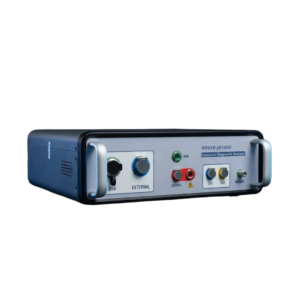
Click the image to know more about Wrindu Frequency Domain Dielectric Response Insulation Diagnostic Analyzer.
What Do High Tan Delta Values Indicate in Bushings?
Internal Moisture Contamination
Moisture is the main cause of rising tan delta. Water molecules greatly increase insulation conductivity and polarization loss, leading to significantly higher dielectric loss values.
Oil and Paper Insulation Aging
Long-term electrical and thermal stress causes paper fiber aging and transformer oil deterioration, generating impurity substances and increasing internal energy loss.
Thermal Deterioration and Internal Defects
Overload operation, local overheating, and hidden internal cracks will continuously raise tan delta values, threatening safe operation of high-voltage bushings.
What Are the Key Advantages of Tan Delta Bushing Testing?
Tan delta testing features simple operation, high sensitivity to insulation deterioration, and unified industry judgment standards. It can quickly screen faulty bushings in batch inspections and is perfectly suitable for daily preventive maintenance and regular equipment assessment of power systems.
What Are the Critical Limitations of Single-Frequency Tan Delta Testing?
Cannot Distinguish Fault Root Causes
Moisture pollution and insulation aging can cause similar tan delta increases. Engineers cannot directly judge whether the fault is dampness or aging only through tan delta data.
Insensitive to Early Hidden Defects
Early slow insulation degradation and slight moisture diffusion will not cause obvious changes in single-frequency tan delta values, easily leading to missed diagnosis.
Lack of Comprehensive Insulation Data
Single-frequency testing only provides limited insulation parameters and cannot reflect the full dielectric response characteristics of oil-paper insulation.
FAQs About Bushing Tan Delta Testing
Q1: What is a good tan delta value for transformer bushings?
A: Healthy high-voltage bushings maintain very low tan delta values; a sudden or continuous increase indicates insulation degradation.
Q2: Does high tan delta always mean moisture inside the bushing?
A: No. High tan delta can also result from insulation aging, oil contamination, or thermal damage.
Q3: Can tan delta testing replace FDS dielectric response testing?
A: No. Tan delta is for routine screening, while FDS provides in-depth root cause analysis.
Q4: Why do aging bushings have higher dielectric loss?
A: Aging produces insulation impurities and weakens dielectric performance, causing more electrical energy loss and heat generation.
