

Transformer Test Kit: Functions, Applications, and Modern Industry Use
Learn how transformer test kits work, what parameters they measure, and why they are essential for transformer maintenance and power system reliability. Discover modern transformer testing methods, industry applications, safety practices, and intelligent testing solutions from Wrindu.
A transformer test kit is an important electrical testing tool used to check the condition, safety, and performance of transformers. It helps engineers and technicians identify faults early, reduce unexpected outages, and improve transformer reliability in power systems.
Today, transformer test kits are widely used in substations, factories, renewable energy projects, rail systems, and industrial plants. Modern testing equipment combines digital control, automatic analysis, and portable design to make transformer testing faster and more accurate.
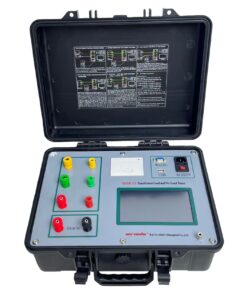
Click the image to know more about Wrindu Transformer No-load and Load Loss Tester.
What Is a Transformer Test Kit?
A transformer test kit is a group of testing instruments designed to measure important transformer parameters such as:
- Turns ratio
- Winding resistance
- Insulation resistance
- Excitation current
- Load loss
- Short-circuit impedance
- Phase displacement
These measurements help detect problems including:
- Aging insulation
- Moisture contamination
- Winding deformation
- Core faults
- Connection problems
Regular testing helps extend transformer service life and reduce maintenance costs.
Why Is Transformer Testing Important?
Transformers are critical components in electrical power systems. If a transformer fails, it may cause:
- Power outages
- Equipment damage
- Safety risks
- Expensive downtime
Transformer testing helps operators discover hidden defects before serious failures happen. It also supports predictive maintenance and improves overall grid stability.
How Does a Transformer Test Kit Work?
Testing usually begins after the transformer is disconnected from the power system and safely grounded.
Technicians connect the test leads to the transformer terminals. The test kit then applies controlled voltage or current to the transformer windings. Internal sensors record the electrical response and calculate the test results automatically.
Modern transformer test kits can compare data with IEC 60076 and IEEE C57 standards to determine whether the transformer operates within acceptable limits.
When Should Transformer Testing Be Performed?
Transformer testing is commonly carried out during:
- Factory production testing
- Installation and commissioning
- Preventive maintenance
- After transformer repair
- Periodic inspections
- Fault investigation after abnormal events
Routine testing helps improve equipment reliability and reduce unexpected shutdowns.
What Technologies Are Used in Modern Transformer Test Kits?
Modern transformer testing equipment uses advanced technologies to improve accuracy and efficiency.
Common features include:
- Digital microprocessor control
- Automatic test calculation
- Multi-channel measurement
- Built-in data storage
- USB and wireless communication
- AI-assisted fault analysis
- Cloud-based monitoring systems
Many portable systems also support one-person field operation for faster testing.
How Are Transformer Test Kits Used in Different Industries?
Transformer test kits are widely used across many industries.
Power Utilities
Electric utilities use transformer testing equipment for routine maintenance and substation inspections.
Renewable Energy
Wind farms and solar plants use transformer testers to inspect step-up transformers and maintain stable grid connections.
Industrial Manufacturing
Factories test transformers to ensure safe and efficient operation of production systems.
Transportation Systems
Railways and metro systems use transformer testing to maintain traction power equipment.
Research and Education
Laboratories and universities use transformer test kits for engineering studies and product development.
What Features Make Modern Transformer Test Kits More Efficient?
Modern systems improve testing speed and accuracy with features such as:
- Automatic winding resistance measurement
- Fast turns ratio testing
- Multi-phase simultaneous testing
- Intelligent data analysis
- Portable lightweight design
- Remote data transfer
These functions reduce manual work and improve testing consistency.
Comparing Popular Transformer Test Kits
| Brand | Main Advantages | Best Applications |
|---|---|---|
| Megger TTR Series | Fast ratio testing and auto calibration | Commissioning and field diagnostics |
| Omicron TESTRANO 600 | Multifunction integrated testing | Complete transformer analysis |
| DV Power TRT Series | Compact and portable design | On-site maintenance |
| Wrindu RD Series | Intelligent analysis and multi-voltage testing | Grid maintenance and factory testing |
Each system is designed for different testing environments and maintenance requirements.
What Benefits Do Companies Gain from Transformer Testing?
Many companies report major savings after implementing regular transformer testing programs.
Main benefits include:
- Lower maintenance costs
- Reduced equipment downtime
- Longer transformer lifespan
- Improved power reliability
- Lower energy loss
- Faster fault detection
Some utilities have reduced maintenance expenses by up to 30% through predictive testing programs.
What Safety Precautions Should Be Followed?
Transformer testing involves high voltage, so safety procedures are extremely important.
Important safety practices include:
- De-energize and isolate the transformer
- Verify grounding before testing
- Follow lockout/tagout procedures
- Wear insulated PPE
- Use correct voltage ranges
- Keep safe working distances
- Calibrate equipment regularly
Proper documentation and maintenance records also help ensure compliance with industry standards.
How Is Digital Technology Changing Transformer Testing?
The transformer testing industry is moving toward intelligent and automated systems.
New industry trends include:
- AI-based fault prediction
- Cloud-connected monitoring
- Wireless data transfer
- Real-time condition analysis
- Portable battery-powered testers
- Smart maintenance platforms
These technologies help engineers monitor transformer health more efficiently across large electrical networks.
Why Is Portable Transformer Testing Equipment Popular?
Portable transformer test kits allow engineers to perform testing directly in substations and industrial sites without moving heavy equipment.
Advantages of portable systems:
- Lightweight design
- Battery-powered operation
- Faster field testing
- Reduced downtime
- Easy transportation
- High testing efficiency
Modern portable systems can provide laboratory-level accuracy in field environments.
Conclusion
Transformer test kits are essential tools for maintaining safe and reliable electrical systems. They help engineers detect transformer problems early, improve maintenance efficiency, and prevent costly failures.
As power grids become more digital and renewable energy systems continue to grow, intelligent transformer testing solutions will play an even more important role in ensuring stable power system operation.
Whether used for factory inspections, field maintenance, or predictive diagnostics, a high-quality transformer test kit remains a critical investment for utilities, industrial plants, and electrical engineers worldwide.
FAQs
What does a transformer test kit measure?
A transformer test kit measures parameters such as turns ratio, insulation resistance, winding resistance, excitation current, and core losses.
Why is transformer testing necessary?
Testing helps identify hidden faults early and prevents transformer failures, outages, and safety risks.
When should transformers be tested?
Transformers should be tested during installation, commissioning, routine maintenance, after repairs, and after abnormal operating events.
Can one test kit work for different transformer types?
Many modern transformer test kits support distribution transformers, power transformers, dry-type transformers, and instrument transformers.
What is a transformer turns ratio test?
A turns ratio test compares the voltage ratio between primary and secondary windings to identify winding or tap changer problems.
How is insulation resistance tested on a transformer?
A high DC voltage is applied between windings and ground to measure insulation resistance in megaohms (MΩ).
Why is transformer oil dielectric testing important?
It checks whether transformer oil can safely withstand voltage without electrical breakdown, helping detect contamination or aging.
What are the advantages of portable transformer test kits?
Portable systems allow fast on-site testing, reduce downtime, and improve maintenance efficiency in substations and industrial facilities.
How often should transformer maintenance testing be performed?
Testing frequency depends on transformer age, operating conditions, and maintenance standards, but regular inspections are strongly recommended.
What future technologies are being used in transformer testing?
AI diagnostics, cloud monitoring, wireless communication, and predictive analytics are becoming major trends in modern transformer testing equipment.
