

What Is an Electrical Feeder and How Does It Work in Power Distribution
Learn what an electrical feeder is, how it works in power distribution, and the different feeder types including radial, ring main, parallel, and mesh feeders. Explore feeder components, maintenance, testing methods, and supplier selection for reliable electrical systems.
Electrical feeders are a key part of every power distribution network. They carry electricity from substations to different load centers, helping deliver reliable power to homes, businesses, factories, and critical infrastructure.
A well-designed feeder system improves power quality, reduces outages, and ensures safe operation. As a leading provider of electrical testing equipment, Wrindu supplies advanced testing solutions that help utilities and manufacturers verify feeder safety and performance.
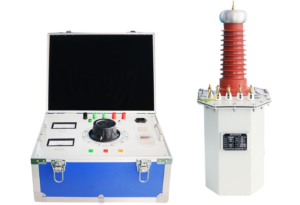
Click the image to know more about Wrindu AC Withstand Voltage Tester.
What Is an Electrical Feeder?
An electrical feeder is a conductor or group of conductors that transfers electrical energy from a power source, such as a substation, to distribution points or transformers.
Unlike branch circuits, feeders are responsible for transporting large amounts of power over longer distances before it reaches end users.
Their main functions include:
- Delivering power efficiently
- Supporting system reliability
- Reducing energy losses
- Connecting substations to distribution equipment
- Improving network stability
Without feeders, modern power systems would not be able to distribute electricity effectively.
What Are the Different Types of Electrical Feeders?
Several feeder configurations are used depending on system requirements, reliability needs, and project budgets.
What Is a Radial Feeder?
A radial feeder uses a single path to deliver power from the source to the load.
Advantages include:
- Simple design
- Low installation cost
- Easy maintenance
Radial feeders are commonly used in rural areas where power reliability requirements are lower.
The main disadvantage is that any fault along the feeder can interrupt power supply to connected customers.
What Is a Ring Main Feeder?
A ring main feeder forms a closed loop between power sources and loads.
Benefits include:
- Better reliability
- Alternative power paths
- Faster fault recovery
This design is widely used in urban distribution networks.
What Is a Parallel Feeder?
Parallel feeders use multiple conductors operating together.
Advantages include:
- Higher current capacity
- Improved load sharing
- Better system performance
These feeders are often installed in industrial facilities with high power demand.
What Is a Mesh Feeder?
A mesh feeder network contains multiple interconnected paths.
Benefits include:
- Maximum reliability
- Multiple backup routes
- Excellent fault tolerance
Mesh systems are commonly used in:
- Airports
- Data centers
- Hospitals
- Critical utility infrastructure
| Feeder Type | Reliability | Cost | Typical Application |
|---|---|---|---|
| Radial | Low | Low | Rural areas |
| Ring Main | Medium | Medium | Urban grids |
| Parallel | High | High | Industrial facilities |
| Mesh | Very High | Very High | Critical infrastructure |
How Does an Electrical Feeder Work?
An electrical feeder transports power from a substation to consumers while maintaining system safety and reliability.
How Does Electricity Flow Through a Feeder?
The process typically follows these steps:
- Electricity leaves the substation at medium or high voltage.
- Power travels through feeder conductors.
- Distribution transformers reduce the voltage level.
- Electricity is delivered to homes, buildings, and industrial loads.
- Protection devices monitor system conditions continuously.
Throughout this process, feeders help maintain stable power delivery.
What Protects a Feeder From Faults?
Protection equipment includes:
- Circuit breakers
- Protective relays
- Fuses
- Fault monitoring systems
When a fault occurs, these devices isolate the affected section while keeping the rest of the network energized whenever possible.
Wrindu’s testing instruments help verify the performance of these protective systems.
Why Do Many Companies Choose Chinese Electrical Feeder Manufacturers?
Chinese manufacturers have become major suppliers of feeder equipment for global markets.
Their strengths include:
- Competitive pricing
- Large production capacity
- International certifications
- Flexible customization
- OEM manufacturing services
Many suppliers meet global standards such as ISO and CE requirements while providing cost-effective solutions.
What Are the Main Components of an Electrical Feeder?
A feeder system contains several important components.
These typically include:
- Conductors
- Insulators
- Transformers
- Circuit breakers
- Protective relays
- Feeder pillars
- Switchgear
Each component contributes to safe and efficient power distribution.
What Is a Feeder Pillar and Why Is It Important?
A feeder pillar is an outdoor enclosure used in electrical distribution systems.
It usually contains:
- Switches
- Fuses
- Circuit breakers
- Energy meters
- Protection devices
Feeder pillars provide a safe location for controlling and protecting electrical circuits.
They are commonly installed near commercial buildings, industrial plants, and residential developments.
Testing equipment from Wrindu helps verify that feeder pillars can withstand electrical stresses and operate safely.
How Can You Choose the Right Electrical Feeder Supplier?
Selecting the right supplier is critical for project success.
What Factors Should Be Evaluated?
Important considerations include:
- ISO certification
- CE certification
- Manufacturing capacity
- Product quality
- Delivery time
- Technical support
- Customization capability
- Minimum order quantity (MOQ)
Reliable suppliers should also provide strong after-sales service and engineering support.
| Supplier Criteria | Importance | Typical China Advantage |
|---|---|---|
| Certifications | High | ISO and CE compliance |
| MOQ Flexibility | Medium | Flexible order quantities |
| OEM Customization | High | Full customization support |
| Delivery Time | High | Typically 4–6 weeks |
What Maintenance Does an Electrical Feeder Require?
Regular maintenance helps prevent failures and extend service life.
Common maintenance activities include:
- Visual inspections
- Thermal imaging inspections
- Insulation testing
- Connection tightening
- Relay testing
- Circuit breaker maintenance
How Often Should Feeders Be Inspected?
Recommended schedules include:
- Quarterly visual inspections
- Monthly thermal scans for high-load systems
- Annual insulation resistance testing
- Periodic relay and breaker verification
Proper maintenance can allow feeders to operate reliably for more than 30 years.
Why Is Testing Important for Electrical Feeders?
Testing helps ensure:
- Electrical safety
- Regulatory compliance
- System reliability
- Early fault detection
- Reduced downtime
Can Testing Prevent Feeder Failures?
Yes.
Routine testing can identify:
- Insulation deterioration
- Loose connections
- Overheating
- Partial discharge activity
- Protective device malfunctions
Detecting these issues early can significantly reduce repair costs and unexpected outages.
Wrindu provides portable and high-voltage testing equipment designed specifically for feeder systems.
How Does Wrindu Support Feeder Manufacturers and Utilities?
Wrindu specializes in high-voltage testing and diagnostic equipment.
The company provides solutions for testing:
- Conductors
- Circuit breakers
- Insulators
- Transformers
- Relay protection systems
- Complete feeder networks
Can Wrindu Customize Testing Solutions?
Yes.
Wrindu offers customized testing equipment designed to meet specific OEM, utility, and industrial requirements.
Its solutions help manufacturers and operators comply with international standards while improving safety and performance.
What Are the Key Benefits of Electrical Feeders?
Electrical feeders provide several important advantages:
- Reliable power delivery
- Efficient energy distribution
- Reduced voltage losses
- Improved system stability
- Flexible network expansion
- Enhanced protection coordination
As power systems continue to grow, feeder networks remain one of the most important parts of modern electrical infrastructure.
FAQs About Electrical Feeders
Q1: What voltage levels do electrical feeders typically carry?
A: Most distribution feeders operate between 11 kV and 33 kV, although actual voltage levels vary depending on system design and application.
Q2: What is the difference between a feeder and a distribution line?
A: A feeder carries electricity from a substation to distribution points, while distribution lines deliver power directly to consumers.
Q3: Are underground feeders better than overhead feeders?
A: Underground feeders offer better protection from weather and external damage, but they are usually more expensive to install and maintain.
Q4: What is the purpose of a feeder pillar in electrical distribution?
A: A feeder pillar houses switches, fuses, meters, and protection devices used to control and protect electrical circuits.
Q5: How often should electrical feeders be tested?
A: Inspection schedules vary, but most systems require quarterly inspections, annual insulation testing, and routine thermal imaging checks.
Q6: Which feeder type provides the highest reliability?
A: Mesh feeder systems offer the highest level of reliability because they provide multiple power paths and backup connections.
Q7: Why are radial feeders commonly used in rural areas?
A: They are simple, cost-effective, and suitable for areas where power demand and reliability requirements are relatively low.
Q8: How can feeder testing reduce power outages?
A: Testing identifies developing problems such as insulation failure, overheating, and faulty protection devices before they cause service interruptions.
Q9: What certifications should an electrical feeder supplier have?
A: ISO and CE certifications are among the most important indicators of product quality and compliance.
Q10: Why do utilities use high-voltage testing equipment on feeders?
A: High-voltage testing verifies insulation integrity, equipment safety, and long-term feeder reliability under operating conditions.
