

What Are the Recommended Earth Resistance Values for Electrical Safety?
Learn recommended earth resistance values for electrical safety. Discover target ohm levels for residential, industrial, and critical systems.
Proper earth resistance is essential for electrical safety. It ensures that fault currents flow safely into the ground, protecting both people and equipment. In most commercial and industrial installations, engineers aim for earth resistance values below 5 ohms. In critical facilities such as substations, data centers, and telecommunications sites, the requirement is typically below 1 ohm to ensure maximum stability and protection.
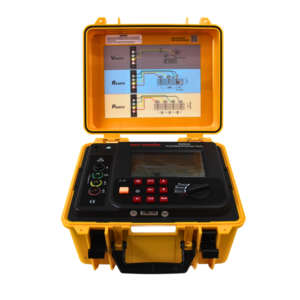
Click the picture to know more about Wrindu Earth Resistance Tester.
How Is Earth Resistance Defined and Why Does It Matter?
Earth resistance refers to how easily electrical current can pass from a grounding system into the soil. A low resistance path allows fault current to dissipate quickly and safely. This prevents dangerous voltage buildup, reduces the risk of electric shock, and protects electrical equipment from damage.
Without effective grounding, protective devices such as relays and circuit breakers may not operate properly. This can lead to system instability, equipment failure, or even fire hazards. For this reason, maintaining recommended earth resistance values is a key part of electrical system design and maintenance.
Recommended Earth Resistance Values by Application
Earth resistance requirements vary depending on the installation type and the sensitivity of equipment involved.
| Application | Recommended Earth Resistance |
|---|---|
| Residential installations | Less than 25 ohms |
| Commercial & industrial systems | 5 ohms or less |
| Substations | 5 ohms or less (often lower) |
| Data centers & sensitive electronics | 1 ohm or less |
| High-demand critical facilities | 0.5–3 ohms |
Although some codes allow up to 25 ohms for basic residential systems, lower values generally improve safety and performance.
How Are Earth Resistance Values Measured?
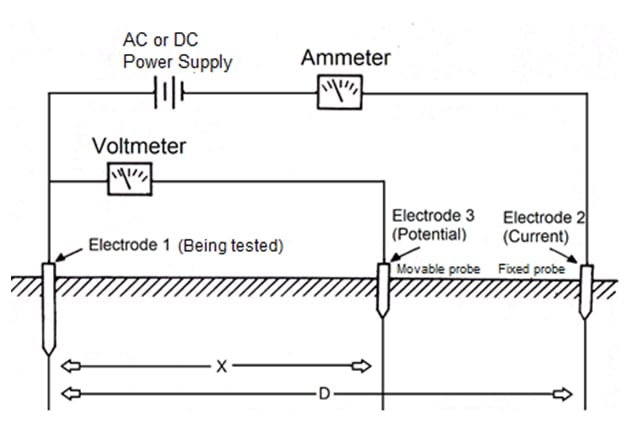
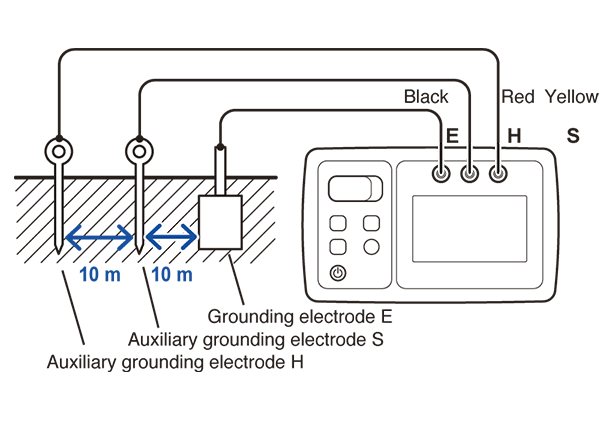
Earth resistance is measured using specialized testing instruments. The most common methods include:
-
Fall-of-potential (3-point) testing – the standard and most accurate method
-
Four-point testing – often used to measure soil resistivity
-
Clamp-on testing – convenient for multi-grounded systems without disconnection
During testing, electrodes are placed into the soil at specific distances. The instrument sends a controlled current into the ground and measures voltage differences to calculate resistance. Accurate testing requires proper probe placement and calibration.
Which Standards Define Earth Resistance Requirements?
Several international organizations provide guidance on grounding values and testing methods:
-
Institute of Electrical and Electronics Engineers (IEEE 142, IEEE 81)
-
National Fire Protection Association (NFPA 70 / NEC)
-
ANSI (ANSI standards for infrastructure and telecom systems)
For example, the NEC allows up to 25 ohms for certain low-voltage systems but encourages lower resistance for improved safety. IEEE guidelines typically recommend 5 ohms or less for substations and industrial installations.
How Does Soil Affect Earth Resistance?
Soil conditions have a major impact on grounding performance. Moist soil with high mineral content usually provides lower resistance. Dry, sandy, or rocky soil tends to increase resistance.
Factors that influence earth resistance include:
-
Soil moisture
-
Temperature
-
Soil composition
-
Seasonal changes
If resistance is too high, engineers may install additional ground rods, drive electrodes deeper, or use grounding grids to reduce resistance.
When Should Earth Resistance Be Tested?
Earth resistance should be tested:
-
During new installation
-
After electrical upgrades
-
Following lightning strikes or storms
-
During routine preventive maintenance
Regular resistance testing ensures the grounding system continues to meet safety standards as environmental conditions change.
Why Is Low Earth Resistance So Important?
Low earth resistance:
-
Provides a safe path for fault current
-
Reduces electric shock risk
-
Protects equipment from surge damage
-
Ensures protective devices operate quickly
-
Maintains system stability
High resistance, on the other hand, can cause voltage instability, equipment wear, and operational failures.
