

What Is Insulation Testing for Generator Windings
Learn how to perform insulation testing for generator windings, including IR, PI, and DAR methods. Discover testing procedures, acceptable values, common faults, and how Wrindu testers improve accuracy and reliability.
Insulation testing is essential for ensuring the safety, reliability, and long-term performance of generator windings. Over time, insulation can degrade due to heat, moisture, electrical stress, and contamination. Regular testing helps detect problems early and prevents costly failures.
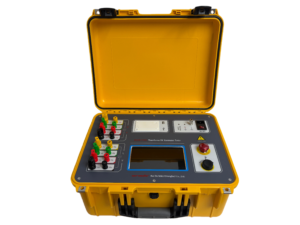
What Is Insulation Testing and Why Is It Important?
Insulation testing measures the resistance of insulating materials between windings and ground. High insulation resistance means good insulation; low resistance indicates potential faults.
It helps you:
- Prevent electrical breakdown and short circuits
- Detect moisture or contamination
- Monitor aging of insulation materials
- Improve equipment reliability and safety
What Types of Insulation Tests Are Commonly Used?
Several methods are used to evaluate generator insulation:
1. Insulation Resistance (IR) Test
Measures resistance using a DC voltage (typically 500V–5kV). It is the most basic and widely used test.
2. Polarization Index (PI) Test
Compares insulation resistance at 1 minute and 10 minutes to assess insulation condition.
3. Dielectric Absorption Ratio (DAR)
Measures the ratio of resistance at different times (e.g., 30s and 60s).
4. High Voltage (Hi-Pot) Test
Applies high voltage to check insulation strength (used carefully due to stress on insulation).
What Equipment Is Needed for Insulation Testing?
You will typically need:
- Insulation resistance tester (megohmmeter)
- High voltage tester (for Hi-Pot tests)
- Temperature and humidity meter
- Proper test leads and grounding cables
Choosing the right voltage range is critical for accurate and safe testing.
How Do You Perform an Insulation Resistance Test?
Step 1: Isolate the Generator
Disconnect the generator from all power sources and ensure complete shutdown.
Step 2: Discharge Stored Energy
Ensure all windings are fully discharged to avoid electric shock.
Step 3: Connect the Tester
- Connect one lead to the winding
- Connect the other lead to ground
Step 4: Apply Test Voltage
Apply DC voltage and measure resistance over time (usually 1 minute).
Step 5: Record the Results
Take readings at specific intervals (e.g., 30s, 60s, 10min for PI).
Step 6: Discharge After Test
Always discharge the winding after testing to remove stored charge.
What Are Acceptable Insulation Resistance Values?
Acceptable values depend on generator size and voltage rating, but general guidelines include:
- Higher resistance = better insulation
- A minimum value often follows industry standards (e.g., megohm rule based on voltage)
- Trending over time is more important than a single reading
Why Are PI and DAR Tests Useful?
These tests provide deeper insight into insulation condition:
- PI > 2.0 → Good insulation
- PI between 1.0–2.0 → Possible contamination or aging
- PI < 1.0 → Poor insulation, requires attention
They help distinguish between surface moisture and internal insulation problems.
What Are Common Problems Found During Insulation Testing?
- Low resistance values → Moisture or contamination
- Decreasing trend over time → Insulation aging
- Unstable readings → Surface leakage or poor connections
- Sudden drop → Insulation failure risk
How Wrindu Testers Stand Out
Wrindu insulation testers are designed for reliable field and laboratory use:
- Wide voltage range for different generator sizes
- High measurement accuracy for low and high resistance values
- Automatic PI and DAR calculation to simplify analysis
- Real-time data display and storage for trend monitoring
- Rugged and portable design for on-site testing
These features help engineers quickly identify insulation issues and make informed maintenance decisions.
What Are Best Practices for Accurate Insulation Testing?
- Test in dry and stable environmental conditions
- Record temperature and humidity
- Always discharge after testing
- Use consistent test voltage and duration
- Maintain historical records for comparison
FAQs (Q&A Format)
Q1: How often should insulation testing be performed?
A: Typically once a year, or more frequently in harsh environments.
Q2: What is a good insulation resistance value?
A: It depends on the generator rating, but higher values generally indicate better insulation.
Q3: Why is my insulation resistance reading low?
A: Common causes include moisture, dirt, oil contamination, or insulation aging.
Q4: Is the Hi-Pot test always necessary?
A: No, it is usually performed during commissioning or major maintenance due to its high stress on insulation.
Q5: Can insulation testing damage the generator?
A: Basic IR tests are safe when done correctly. However, improper high-voltage testing can stress insulation.
Q6: What should I do if PI value is low?
A: Inspect for moisture or contamination and consider drying or cleaning the winding before retesting.
Conclusion
Insulation testing for generator windings is a critical part of preventive maintenance. By using proper methods like IR, PI, and DAR tests—and reliable tools such as Wrindu testers—you can detect insulation problems early, improve system reliability, and extend equipment life.
