

The Ultimate Guide to Electric Motor Testing: Keep Your Machinery Running Smoothly
Learn the basics of electric motor testing and why it is essential for reliability and safety. Discover key methods including insulation resistance, surge testing, winding resistance, partial discharge, vibration analysis, and thermal imaging for predictive maintenance.
Electric motors are the unsung heroes of modern industry. They power everything from massive manufacturing assembly lines to everyday HVAC systems. However, because they work so hard behind the scenes, it is easy to take them for granted—until they suddenly break down.
Taking a proactive approach to motor maintenance is the best way to ensure your operations run efficiently, safely, and without unexpected interruptions. In this guide, we will break down the absolute basics of motor testing, why it matters, and how you can get started.
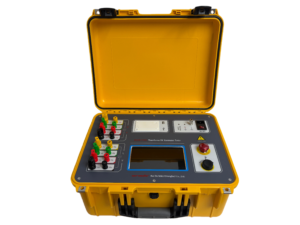
What Is Motor Testing and How Does It Work?
Motor testing is a collection of diagnostic techniques used to check the overall health and performance of an electric motor. Think of it like a routine medical checkup, but for machinery. These tests help you find hidden problems—like weak insulation, electrical faults, or mechanical imbalances—before they turn into catastrophic failures.
Generally, motor testing falls into two main categories:
-
Offline Testing (Static Tests): These are done while the motor is turned off. They help establish a baseline of the motor’s health and uncover deep electrical faults.
-
Online Testing (Dynamic Tests): These are conducted while the motor is running. They allow you to monitor real-time electrical and mechanical performance under actual working conditions.
Why Is Motor Testing Essential for Your Business?
If you wait for a motor to break down before you fix it, you are playing a risky and expensive game. Neglecting regular motor checks can lead to major operational headaches, including:
-
Costly Unplanned Downtime: When a critical motor fails, production stops. Every minute of a halted line can cost thousands of dollars.
-
Expensive Repairs: Catching a small issue early is always cheaper than replacing an entire burnt-out motor.
-
Safety Hazards: Faulty motors are dangerous. They can cause electrical shorts, overheating, and even devastating electrical fires.
-
Energy Inefficiency: A worn or damaged motor has to work harder, consuming much more electricity and driving up your utility bills.
What Are the Core Motor Testing Methods?
To get a complete picture of your motor’s health, technicians use a variety of specialized testing methods. Here are the most common ones you should know:
-
Insulation Resistance Testing: Your first line of defense. It measures how well the motor’s insulation keeps electricity where it belongs, preventing shorts and dangerous arc-flashes.
-
High Voltage Testing (Surge Test): This applies a controlled burst of high voltage to test if the winding insulation can handle operational stress.
-
Winding Resistance Measurement: This checks the condition of the motor windings to find loose connections or broken rotor bars.
-
Partial Discharge Analysis: This detects the absolute earliest signs of insulation aging or contamination, preventing sudden failures down the road.
-
Vibration Analysis: While mechanical in nature, tracking vibrations helps identify physical alignment issues that can wear out electrical components.
-
Thermal Imaging: Using infrared cameras, this test highlights overheating areas caused by electrical imbalances or failing bearings.
How Do You Successfully Test an Electric Motor?
If you are wondering how to check an electric motor, the process follows a simple, logical flow:
-
Visual Inspection: Look closely at the motor and its environment. Look for obvious signs of wear, dirt, moisture, or burns.
-
Baseline Testing: Perform offline tests (like insulation and winding resistance) to see how the motor holds up at rest.
-
Dynamic Testing: Run the motor to see how it performs under actual load and voltage stress.
-
Review the Data: Analyze your findings to spot trends or anomalies.
-
Fix the Faults: Take immediate corrective action, whether that means a deep clean, a quick repair, or replacing a part.
-
Continuous Monitoring: Set up a regular testing schedule so you can track the motor’s health over its lifetime.
Frequently Asked Questions (FAQs)
What is the difference between static and dynamic motor testing?
Static testing (offline) is done while the motor is powered off to check its structural and electrical integrity. Dynamic testing (online) is done while the motor is running to see how it handles real-world electrical stress and mechanical loads.
How often should electric motors be tested?
For standard routine maintenance, basic tests like insulation resistance should be done regularly. However, for critical applications where a failure would halt your entire business, advanced monitoring and continuous testing are highly recommended.
Can testing prevent all motor failures?
While no method is 100% foolproof, integrating comprehensive motor testing into a predictive maintenance strategy will catch the vast majority of faults early, dramatically reducing your risk of sudden downtime.
