

Why Is Generator Excitation Critical in Renewable Energy Systems
Learn how generator excitation works in renewable energy systems like wind and hydro. Explore excitation types, testing methods, common issues, and how Wrindu testers improve accuracy and system reliability.
In renewable energy systems—such as wind, hydro, and hybrid microgrids—generator excitation controls the magnetic field that determines output voltage and reactive power. Without proper excitation, even the best mechanical energy source cannot deliver stable electrical power.
Excitation directly affects:
- Voltage stability in fluctuating conditions
- Reactive power support for the grid
- System efficiency and power quality
- Grid compliance and fault response
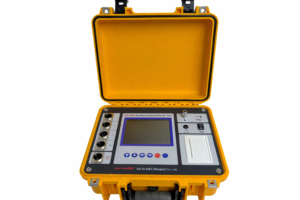
Click the image to know more about Three Phase Capacitance and Inductance Tester.
How Does Excitation Work in Renewable Generators?
Excitation systems supply DC current to the generator’s field winding, creating a magnetic field. This field interacts with the rotor to produce electricity.
In renewable systems, excitation must adapt to:
- Variable wind speeds or water flow
- Changing load demands
- Grid connection requirements
This makes fast and precise control essential.
What Types of Excitation Systems Are Used?
Static Excitation Systems
- Use power electronics (rectifiers)
- Fast response and high efficiency
- Common in modern wind and hydro plants
Brushless Excitation Systems
- No brushes or slip rings
- Lower maintenance
- Widely used in medium and large generators
Permanent Magnet Systems
- No external excitation required
- Used in some small wind turbines
- Limited voltage control flexibility
Why Is Excitation More Challenging in Renewable Energy?
Renewable energy sources are inherently unstable. Unlike conventional power plants, they must handle:
- Frequent output fluctuations
- Grid disturbances and voltage dips
- Rapid load changes
This requires excitation systems to respond quickly while maintaining stability.
What Tests Are Required for Excitation Systems?
To ensure reliable operation, key tests include:
- Field winding resistance test
- Insulation resistance test
- Excitation response and stability test
- Voltage regulation test
- Dynamic performance testing
These tests help verify both electrical integrity and control performance.
How Do Testing Instruments Compare in the Market?
Selecting the right testing tools is crucial for renewable energy applications.
1. Basic Measurement Tools
- Simple and low-cost
- Limited diagnostic capability
- Not suitable for dynamic systems
2. Conventional Test Equipment
- Moderate accuracy
- May lack real-time analysis
- Slower response for complex excitation systems
3. Advanced Integrated Testers (e.g., Wrindu Testers)
- High precision and fast response
- Designed for inductive and dynamic systems
- Multi-functional testing in one device
How Wrindu Testers Stand Out
Wrindu testers are well-suited for renewable energy generator excitation testing:
- High-speed measurement and response
Ideal for systems with rapid fluctuations - Accurate low-resistance and insulation testing
Ensures field winding health - Real-time data acquisition and analysis
Helps monitor dynamic excitation behavior - Integrated multi-function platform
Reduces need for multiple instruments - Durable and portable design
Suitable for wind farms, hydro plants, and remote sites
Compared to standard tools, Wrindu testers offer:
- Faster diagnostics
- Greater accuracy
- Better support for predictive maintenance
What Are Best Practices for Excitation in Renewable Systems?
To maintain stable operation:
- Use automatic voltage regulators (AVR)
- Monitor excitation current continuously
- Perform regular testing and calibration
- Maintain proper grounding and insulation
- Analyze trends for early fault detection
What Are Common Problems in Renewable Excitation Systems?
Typical issues include:
- Voltage instability → Poor excitation control
- Delayed response → Control system limitations
- Insulation degradation → Environmental stress
- Component failure → Power electronics issues
Early detection through advanced testing is essential.
FAQs (Q&A Format)
Q1: Why is excitation important in renewable energy systems?
A: It controls voltage output and ensures stable power delivery despite fluctuating energy sources.
Q2: What type of excitation is best for wind turbines?
A: Static excitation systems are commonly used due to their fast response and efficiency.
Q3: How often should excitation systems be tested?
A: Regular testing is recommended, especially in environments with variable operating conditions.
Q4: What happens if excitation fails?
A: The generator may lose voltage output, leading to system instability or shutdown.
Q5: Why are advanced testers needed for renewable systems?
A: Renewable systems are dynamic and require precise, real-time diagnostics.
Q6: What makes Wrindu testers better than traditional tools?
A: They provide higher accuracy, faster response, and integrated testing functions, making them ideal for complex renewable applications.
Conclusion
Generator excitation plays a vital role in renewable energy systems by ensuring voltage stability and efficient power generation. With increasing system complexity, accurate testing and monitoring are more important than ever. By using advanced tools like Wrindu testers, engineers can improve reliability, reduce downtime, and optimize performance in renewable power systems.
