

Transformer Oil in Railway Power Systems | Applications, Challenges & Maintenance
Explore the role of transformer oil in railway power systems, including insulation, cooling, and protection. Learn key applications, challenges, and maintenance practices for railway electrification systems.
Railway power systems rely on stable and continuous electrical supply for traction, signaling, and control infrastructure. In these systems, transformer oil is a critical insulating and cooling medium that ensures safe and reliable operation of high-voltage equipment.
Understanding the role of transformer oil in railways helps improve system reliability, reduce failures, and support efficient transportation networks.
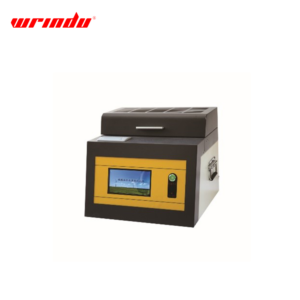
Click the image to know more about Wrindu BDV Tester.
Why Transformer Oil Is Important in Railway Power Systems
Railway electrification systems use transformers in substations and onboard equipment to manage high-voltage power conversion.
Key Functions of Transformer Oil:
- Electrical insulation: Prevents internal breakdown in high-voltage transformers
- Cooling: Dissipates heat generated by continuous train operation loads
- Arc suppression: Helps extinguish electrical arcs in switching events
- Protection: Reduces oxidation and aging of internal insulation materials
Without high-quality transformer oil, railway systems face higher risks of power instability and equipment failure.
Applications of Transformer Oil in Railway Systems
Transformer oil is used across multiple railway power components:
1. Traction Power Substations
- Supplies stable voltage for railway electrification
- Ensures continuous power for train operations
2. Railway Distribution Transformers
- Converts high voltage to usable levels for railway infrastructure
- Supports signaling and control systems
3. Onboard Transformer Systems (Electric Trains)
- Maintains insulation under vibration and dynamic loads
- Ensures safe operation of traction systems
4. Signal and Control Power Systems
- Provides stable insulation for sensitive railway electronics
- Prevents electrical interference and faults
Challenges of Transformer Oil in Railway Environments
Railway systems create demanding operational conditions for transformer oil.
1. Vibration and Mechanical Stress
Continuous train movement causes mechanical stress on equipment.
2. Temperature Fluctuations
Outdoor substations face varying environmental temperatures.
3. Electrical Load Variation
Frequent acceleration and braking create load instability.
4. Aging and Contamination
Over time, oil is affected by moisture, oxidation, and particles.
Common Issues in Railway Transformer Oil
1. Moisture Contamination
Rain, humidity, and condensation can lead to water in transformer oil, reducing insulation strength.
2. Oil Aging
Thermal cycling accelerates oxidation and sludge formation.
3. Reduced Dielectric Strength
Contaminants lower the oil’s ability to withstand electrical stress.
4. Gas Formation
Internal faults may produce gases indicating early-stage failures.
Maintenance of Transformer Oil in Railway Systems
Proper maintenance is essential for ensuring safe railway operations.
Key Maintenance Practices:
- Regular BDV (breakdown voltage) testing
- Moisture content monitoring
- Dissolved gas analysis (DGA)
- Oil filtration and dehydration
- Scheduled preventive maintenance inspections
These practices help ensure uninterrupted railway power supply.
How Wrindu Testers Stand Out
Wrindu provides advanced transformer oil testing solutions designed for railway power system applications.
Key Advantages:
- High Accuracy Testing: Reliable dielectric strength and moisture measurement
- Portable Equipment: Suitable for railway substations and field environments
- Multi-Function Capability: Supports BDV, moisture, and oil condition analysis
- Fast Testing Results: Enables quick maintenance decisions in critical infrastructure
- Rugged Design: Built for vibration-prone and harsh industrial environments
Value for Railway Operators:
- Improve power system reliability
- Reduce risk of unexpected transformer failure
- Support predictive maintenance strategies
- Enhance safety of railway electrification networks
Wrindu testers help railway engineers maintain stable and efficient power systems.
FAQs: Transformer Oil in Railway Power Systems
Q1: Why is transformer oil used in railway systems?
A: It provides insulation, cooling, and arc suppression for railway transformers and power equipment.
Q2: What equipment in railways uses transformer oil?
A: Traction substations, distribution transformers, onboard transformers, and signaling systems.
Q3: How does vibration affect transformer oil in railways?
A: Vibration can accelerate insulation wear and contribute to oil degradation over time.
Q4: What is the biggest risk to transformer oil in railway systems?
A: Moisture contamination and thermal aging are the most common risks.
Q5: How often should railway transformer oil be tested?
A: Typically every 6–12 months, or more frequently for critical traction systems.
Q6: What tests are most important for railway transformer oil?
A: BDV test, moisture analysis, and dissolved gas analysis (DGA).
Q7: Can degraded transformer oil be restored?
A: Yes, through filtration, dehydration, and degassing processes.
Final Thoughts
Transformer oil is a vital component of railway power systems, ensuring stable insulation, cooling, and operational safety. However, harsh operating conditions make regular monitoring essential.
With advanced solutions like Wrindu testing equipment, railway operators can detect oil degradation early, prevent failures, and maintain reliable and efficient electrification systems.
