

How Open Circuit Voltage (OCV) and OCP Are Used in Predictive Maintenance of Electrical Systems
Learn how Open Circuit Voltage (OCV) and Open Circuit Potential (OCP) are used in predictive maintenance to detect early faults in batteries and high-voltage systems with Wrindu solutions.
Open Circuit Voltage (OCV) and Open Circuit Potential (OCP) are widely used in modern predictive maintenance strategies. Instead of waiting for equipment failure, engineers use these measurements to detect early warning signs in batteries, transformers, cables, and other high-voltage systems. This helps improve reliability, reduce downtime, and extend equipment lifespan.
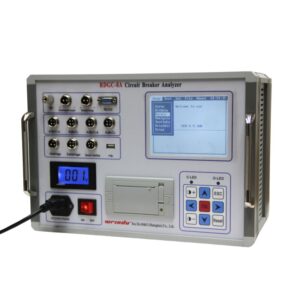
Click the image to know more about Circuit Breaker Comprehensive Tester.
What Is Predictive Maintenance in Electrical Systems?
Predictive maintenance is a method that monitors equipment condition in real time to predict when a failure might occur. Unlike scheduled maintenance, it is based on actual system behavior.
In electrical systems, predictive maintenance uses data such as:
- Voltage trends (OCV)
- Electrochemical changes (OCP)
- Temperature variations
- Insulation condition
Wrindu provides advanced testing solutions that support predictive maintenance in industrial and high-voltage environments.
How Is OCV Used in Predictive Maintenance?
OCV is mainly used to monitor the electrical condition of batteries and power systems.
It helps engineers:
- Estimate battery state of charge (SOC)
- Detect abnormal voltage drops
- Identify early battery aging
- Monitor system stability over time
- For example, if OCV slowly decreases over repeated cycles, it may indicate battery degradation. Wrindu’s OCV testing systems allow continuous monitoring for early fault detection.
How Is OCP Used in Predictive Maintenance?
OCP is used to analyze electrochemical stability and detect early material changes.
It helps identify:
- Corrosion development
- Surface contamination
- Insulation degradation
- Chemical instability
In high-voltage equipment, small changes in OCP can indicate long-term damage before visible failure occurs.
Wrindu integrates OCP monitoring into diagnostic equipment used for transformers, cables, and circuit breakers.
Why Are OCV and OCP Important Together?
Using both OCV and OCP provides a more complete understanding of system health.
- OCV shows electrical performance
- OCP shows chemical and material condition
Together, they help engineers:
- Detect hidden faults earlier
- Improve accuracy of diagnostics
- Reduce unexpected failures
- Optimize maintenance schedules
How Does Trend Analysis Improve Maintenance Decisions?
One of the most powerful uses of OCV and OCP is trend analysis.
By tracking changes over time, engineers can:
- Identify gradual degradation
- Predict failure before it happens
- Schedule maintenance at the right time
For example:
- A steady decline in OCV may indicate battery aging
- A drifting OCP may suggest corrosion or contamination
Wrindu systems support long-term data logging for this purpose.
What Equipment Is Used for Predictive Testing?
Modern predictive maintenance relies on advanced instruments such as:
- High-precision OCV meters
- Potentiostats for OCP measurement
- Multi-channel data loggers
- Temperature-compensated analyzers
Wrindu provides integrated testing platforms designed for industrial-scale monitoring and predictive diagnostics.
Benefits of Using OCV and OCP in Maintenance
Using these two measurements in maintenance strategies offers several advantages:
- Early fault detection
- Reduced repair costs
- Longer equipment lifespan
- Improved safety
- Better system reliability
This is especially important in power grids, renewable energy systems, and industrial automation.
How Wrindu Supports Predictive Maintenance
Wrindu develops testing equipment that combines OCV and OCP monitoring with smart analytics. These systems are designed for:
- Transformers
- Batteries and energy storage systems
- High-voltage cables
- Circuit breakers and relays
With OEM customization and real-time monitoring features, Wrindu helps industries shift from reactive maintenance to predictive maintenance.
Conclusion
OCV and OCP are essential tools in predictive maintenance for electrical systems. OCV focuses on electrical performance, while OCP reveals electrochemical changes. When used together, they provide powerful insights into equipment health. Wrindu’s advanced testing solutions make it easier for industries to detect problems early, reduce downtime, and improve system reliability.
FAQs
Can OCV alone be used for predictive maintenance?
It helps, but combining it with OCP gives more accurate results.
Is OCP useful for battery systems?
Yes, it helps detect chemical degradation and stability issues.
How often should OCV and OCP be monitored?
It depends on the system, but regular monitoring improves accuracy.
What industries use predictive OCV/OCP testing?
Power utilities, renewable energy, transportation, and manufacturing.
Why choose Wrindu for predictive maintenance tools?
Wrindu provides integrated, high-precision testing systems designed for industrial reliability.
