

How to Prevent Circuit Breaker Tripping in Electrical Systems
Learn how proper circuit breaker maintenance helps prevent overloads, short circuits, leakage faults, and voltage problems. Discover inspection methods, troubleshooting tips, and Wrindu electrical testing solutions for reliable power system protection.
Circuit breaker tripping is not only inconvenient—it can also signal deeper electrical problems. While breakers are designed to protect systems, frequent tripping often means something is wrong in the circuit. The good news is that many of these issues can be prevented with proper design, usage, and maintenance.
This article explains practical ways to reduce circuit breaker tripping and improve electrical system reliability.
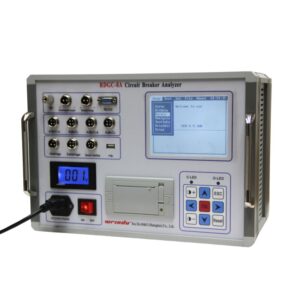
Click the image to know more about Circuit Breaker Comprehensive Tester.
What Are the Main Causes of Circuit Breaker Tripping?
Before preventing tripping, it is important to understand the root causes. Most breaker trips are triggered by:
- Overload (too much current)
- Short circuit (direct fault between conductors)
- Leakage current (insulation failure or moisture)
- Voltage instability (too high or too low)
Each of these problems requires a different prevention strategy.
How Can You Prevent Circuit Overload?
Overload happens when too many electrical devices run on the same circuit.
Practical Prevention Tips
- Avoid using multiple high-power appliances at the same time
- Distribute loads across different circuits
- Use dedicated circuits for heavy equipment (like air conditioners or heaters)
- Select the correct breaker rating based on actual load requirements
Design Recommendation
Always leave a safety margin instead of operating circuits at full capacity continuously. This improves long-term stability.
How Do You Reduce the Risk of Short Circuits?
Short circuits are sudden and dangerous, but they can often be avoided with proper installation and inspection.
Preventive Measures
- Use high-quality cables with proper insulation
- Ensure correct wiring during installation
- Avoid loose connections
- Replace damaged plugs and sockets immediately
- Protect wiring from mechanical damage
Inspection Tip
Regularly check for signs such as burnt marks, unusual smells, or damaged insulation.
How Can Leakage Current Be Prevented?
Leakage is usually caused by insulation failure or environmental conditions like humidity.
Key Prevention Methods
- Keep electrical equipment dry
- Use waterproof enclosures in outdoor areas
- Replace aging cables and insulation
- Ensure proper grounding systems
- Install leakage protection devices
Maintenance Advice
Periodic insulation resistance testing can help detect early-stage leakage problems.
How Do You Handle Voltage Instability?
Voltage fluctuations can cause both nuisance tripping and equipment damage.
Solutions for Stable Voltage
- Install voltage stabilizers
- Use surge protection devices
- Monitor incoming power supply regularly
- Check transformer and distribution system performance
System Upgrade Suggestion
In areas with unstable power supply, consider adding automatic voltage regulation systems.
Why Is Proper Circuit Design Important?
Many tripping problems originate from poor system design rather than equipment failure.
Good Design Practices
- Match breaker ratings with cable capacity
- Separate lighting and power circuits
- Avoid overloading a single distribution line
- Use appropriate protection devices for different loads
A well-designed system reduces both risk and maintenance costs.
How Does Regular Maintenance Help Prevent Tripping?
Preventive maintenance is one of the most effective ways to avoid unexpected breaker trips.
What Should Be Checked?
- Tightness of electrical connections
- Condition of insulation
- Temperature rise at terminals
- Load balance across circuits
- Breaker performance
Routine inspections can identify hidden issues before they cause failures.
What Testing Methods Improve System Reliability?
Professional testing helps ensure that electrical systems operate safely.
Common testing methods include:
- Insulation resistance testing
- Contact resistance measurement
- Load current monitoring
- Voltage analysis
- Thermal imaging inspection
These methods provide accurate data for maintenance decisions.
How Wrindu Testers Stand Out
Wrindu offers advanced electrical testing equipment designed to help engineers prevent faults and improve system performance.
Why Choose Wrindu Testers?
- High accuracy for reliable results
- Fast detection of electrical faults
- Easy-to-use interface
- Durable design for field use
- Suitable for preventive maintenance programs
Wrindu solutions are widely used for:
- Circuit breaker diagnostics
- Transformer testing
- Cable testing
- Insulation measurement
- High-voltage system maintenance
With the right tools, engineers can detect issues early and reduce the risk of unexpected breaker trips.
FAQs
How can I stop my circuit breaker from tripping?
Reduce the load on the circuit, check for faulty appliances, inspect wiring, and ensure proper system design.
Is it normal for a breaker to trip occasionally?
Yes, occasional tripping can happen as a safety response. However, frequent tripping indicates a problem that needs attention.
Can old wiring cause breaker tripping?
Yes. Aging insulation and worn-out cables can lead to leakage current and short circuits.
Do voltage fluctuations cause breaker trips?
Yes. Both low and high voltage conditions can trigger breakers equipped with voltage protection devices.
How often should electrical systems be inspected?
Industrial systems are typically inspected annually, while critical systems may require more frequent checks.
What is the safest way to reset a breaker?
Turn off connected appliances, identify the possible fault, then reset the breaker. If it trips again, do not force it—investigate the issue.
Are leakage protection devices necessary?
Yes. They provide critical protection against electric shock and are highly recommended in residential and industrial systems.
Can preventive maintenance reduce downtime?
Absolutely. Regular inspections and testing help detect problems early, reducing unexpected outages and repair costs.
