

How to Troubleshoot a Frequently Tripping Circuit Breaker
Learn why circuit breakers trip repeatedly and how to troubleshoot overloads, short circuits, leakage current, and voltage problems. Discover preventive maintenance tips and Wrindu electrical testing solutions for safer and more reliable power systems.
Circuit breakers are essential safety devices in electrical systems. When a breaker trips repeatedly, it usually indicates an electrical fault that should not be ignored. Frequent tripping can interrupt operations, damage equipment, and even create fire hazards if the root cause is not corrected.
This article explains the common causes of frequent breaker tripping, how to troubleshoot the problem safely, and how professional testing equipment can help improve electrical system reliability.
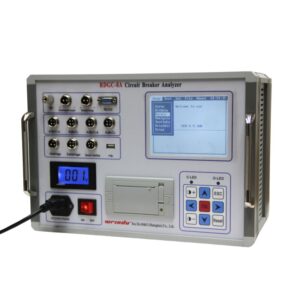
Click the image to know more about Circuit Breaker Comprehensive Tester.
What Happens When a Circuit Breaker Trips?
A circuit breaker automatically disconnects power when it detects unsafe electrical conditions. Its main purpose is to protect:
- Electrical wiring
- Power equipment
- Appliances
- Operators and users
The breaker stops excessive current flow before overheating or damage occurs.
Why Does a Circuit Breaker Keep Tripping?
There are several possible reasons why a breaker trips repeatedly. The most common causes include overload, short circuit, leakage current, and voltage instability.
Understanding these faults helps identify the correct solution faster.
Is Circuit Overload the Most Common Cause?
Yes. Overload is one of the most frequent reasons for breaker tripping.
An overload occurs when too many electrical devices operate on the same circuit. The total current exceeds the breaker’s rated capacity, causing automatic disconnection.
For example, a 20A breaker may trip if the connected load reaches 22A or higher for a certain period.
Common Signs of Overload
- Breaker trips when several appliances run together
- Power returns normally after unplugging devices
- Wires or outlets become warm
- Lights dim during equipment startup
How to Prevent Overload
- Reduce the number of connected appliances
- Separate high-power equipment onto different circuits
- Upgrade wiring and breaker capacity if necessary
- Avoid long-term operation near maximum load
How Does a Short Circuit Cause Breaker Tripping?
A short circuit happens when the live wire directly contacts the neutral wire or ground. This creates a sudden surge of extremely high current.
Short circuits are dangerous because they can cause:
- Electrical fires
- Equipment damage
- Arc flashes
- Burnt wiring
Symptoms of a Short Circuit
- Burn marks on sockets
- Sparks during operation
- Burning smell
- Breaker trips instantly after reset
What Should You Do?
- Turn off the power supply
- Disconnect all equipment
- Inspect damaged cables and outlets
- Replace faulty components
- Perform insulation testing before restoring power
Can Leakage Current Trip a Breaker?
Yes. Leakage current is another common reason for repeated tripping.
Leakage occurs when electricity escapes from the intended circuit path due to damaged insulation, moisture, or grounding faults.
Modern leakage protection breakers can quickly disconnect power to prevent electric shock accidents.
Common Leakage Causes
- Wet electrical equipment
- Aging insulation
- Damaged cables
- Poor grounding
- Outdoor moisture exposure
Signs of Leakage Faults
- Breaker trips during humid weather
- Leakage protection reset button pops out
- Breaker cannot remain closed after reset
Recommended Solutions
- Dry electrical components
- Replace damaged insulation
- Improve grounding systems
- Test insulation resistance regularly
Why Do Voltage Problems Cause Breaker Trips?
Some circuit breakers include under-voltage or over-voltage protection accessories.
When voltage becomes unstable, the breaker disconnects the circuit to protect electrical equipment.
Undervoltage Problems
Low voltage can force motors and appliances to draw higher current, causing overheating.
Overvoltage Problems
High voltage may damage insulation and sensitive electronic devices.
Signs of Voltage Faults
- Equipment suddenly shuts down
- Breaker trips during unstable utility supply
- Lights flicker frequently
How to Fix Voltage Issues
- Monitor incoming voltage
- Check transformer output
- Install voltage stabilizers
- Use surge protection devices
How Can You Diagnose Circuit Breaker Problems?
Accurate testing is important for finding hidden electrical faults.
Professional technicians often perform:
- Insulation resistance testing
- Contact resistance testing
- Leakage current testing
- Voltage monitoring
- Thermal inspection
These tests help identify problems before major failures occur.
Why Is Preventive Maintenance Important?
Regular maintenance reduces unexpected outages and improves system safety.
Preventive inspections help detect:
- Loose connections
- Insulation aging
- Overheating terminals
- Voltage instability
- Abnormal current conditions
Routine testing can also extend equipment service life.
How Wrindu Testers Stand Out
Wrindu provides advanced electrical testing instruments for utilities, industrial plants, substations, and maintenance professionals.
Key Advantages of Wrindu Testers
- High measurement precision
- Reliable field performance
- Easy operation
- Fast fault analysis
- Rugged industrial construction
- Suitable for preventive maintenance programs
Wrindu testing solutions support:
- Circuit breaker testing
- Transformer diagnostics
- Insulation resistance testing
- Contact resistance measurement
- Relay protection testing
- High-voltage equipment maintenance
These tools help engineers improve electrical safety and troubleshooting efficiency.
FAQs
Why does my breaker trip only at night?
This may happen because more electrical devices are operating simultaneously, creating an overload condition.
Can a faulty appliance trip a breaker?
Yes. Damaged appliances can create overloads, leakage current, or short circuits.
Why does the breaker trip during rain?
Moisture can weaken insulation and increase leakage current, especially in outdoor installations.
How do I know if my breaker is damaged?
Signs include overheating, burning smell, difficulty resetting, or random tripping without load.
Should I replace a breaker that trips frequently?
Not always. First identify whether the problem comes from the breaker itself or the electrical circuit.
What testing equipment is used for breaker maintenance?
Technicians commonly use insulation testers, contact resistance testers, and circuit breaker analyzers.
Can low voltage cause electrical overheating?
Yes. Motors and some equipment draw higher current under low-voltage conditions, increasing heat generation.
How often should circuit breakers be tested?
Industrial and utility systems typically perform routine testing annually or during scheduled maintenance periods.
