

How to Diagnose Battery Failure Using Internal Impedance Measurements
Learn how to diagnose battery failure using internal impedance measurement. Understand early warning signs, impedance trends, load behavior, and temperature effects. Discover how Wrindu testing equipment supports accurate battery fault detection and predictive maintenance.
Battery failure rarely happens suddenly. In most cases, internal degradation builds up over time, and one of the most reliable ways to detect this process is through internal impedance measurement.
By analyzing impedance changes, engineers can identify weak batteries early, prevent system failures, and improve overall reliability in applications such as electric vehicles, UPS systems, and energy storage stations.
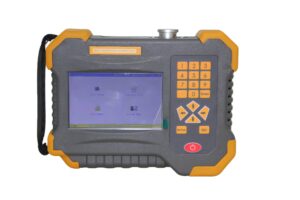
Click the image to know more about Battery Impedance Tester.
What Does Battery Failure Mean in Real Applications?
Battery failure does not always mean a complete stop. It often refers to a serious performance decline.
Typical failure signs include:
- Rapid voltage drop under load
- Reduced usable capacity
- Excessive heating
- Unstable output performance
Internal impedance is a key indicator behind these symptoms.
Why Is Internal Impedance Used for Failure Diagnosis?
Internal impedance reflects the internal condition of electrochemical systems.
When a battery is healthy:
- Low and stable impedance
- Smooth current flow
- Efficient energy transfer
When failure is approaching:
- Rapid impedance increase
- Higher internal energy loss
- Poor load performance
This makes impedance a strong predictive diagnostic tool.
How Does Impedance Change Before Battery Failure?
Battery failure is usually preceded by a clear impedance trend.
Typical progression:
- Normal stage: stable impedance values
- Early degradation: slow upward trend
- Advanced aging: rapid impedance growth
- Failure stage: unstable and very high impedance
Tracking this trend helps predict failure before it happens.
Can Sudden Impedance Rise Indicate Serious Problems?
Yes. A sudden jump in internal impedance is often a warning sign.
Possible causes include:
- Internal short circuit formation
- Severe electrode damage
- Thermal runaway stress
- Manufacturing defects becoming active
Such cases require immediate attention.
Why Is Load Behavior Important in Diagnosis?
Battery impedance alone is not enough—load response is also critical.
Under load conditions:
- Weak batteries show faster voltage drop
- Internal heating increases significantly
- Efficiency decreases sharply
Combining load testing with impedance measurement improves diagnosis accuracy.
How Does Temperature Affect Failure Detection?
Temperature can strongly influence impedance readings and failure behavior.
High temperature:
- Accelerates chemical aging
- Increases degradation speed
- Hides early warning signs temporarily
Low temperature:
- Reveals weak performance faster
- Increases internal resistance temporarily
- Makes failure symptoms more obvious
What Testing Methods Are Used for Diagnosis?
Different methods are used depending on accuracy requirements.
Common approaches:
- DC internal resistance testing
- AC impedance measurement
- Electrochemical impedance spectroscopy (EIS)
- Load-based performance testing
Each method provides different levels of detail.
Why Is Early Diagnosis Better Than Replacement?
Early detection of battery failure helps reduce system risks.
Benefits include:
- Preventing unexpected shutdowns
- Reducing maintenance costs
- Improving system reliability
- Extending overall battery usage life
Predictive maintenance is always more efficient than emergency repair.
How Wrindu Testers Stand Out
Wrindu provides professional electrical testing equipment designed for battery fault diagnosis and internal impedance measurement.
Key Advantages:
- High-accuracy impedance detection
- Stable performance in field environments
- Fast diagnostic results
- Easy operation for engineers
- Suitable for industrial and energy storage systems
Wrindu solutions are widely used for:
- Battery failure diagnosis
- Internal resistance testing
- Energy storage system maintenance
- Electrical performance monitoring
- Predictive maintenance applications
These tools help engineers identify battery failures early and improve system safety.
FAQs
Can battery failure be predicted using impedance?
Yes. Rising internal impedance is one of the strongest early indicators.
What is the most common sign of battery failure?
Rapid voltage drop and increased internal resistance.
Is impedance enough to diagnose battery failure?
It is highly important but should be combined with load and temperature testing.
Can a failed battery recover?
No. Most failure-related damage is irreversible.
How fast does impedance increase before failure?
It depends on usage conditions, but acceleration is common in late stages.
Can testing prevent battery system downtime?
Yes. Early diagnosis helps avoid unexpected failures.
What is the best method for failure detection?
A combination of impedance, load, and thermal testing is most effective.
Do all battery types show impedance changes before failure?
Yes. Lithium-ion, lead-acid, and other chemistries all exhibit this behavior.
