

What Is Helium Leak Testing in High-Voltage Equipment
Learn how helium leak testing improves the reliability of high-voltage equipment. Discover how helium leak detectors identify microscopic leaks in transformers, cable testing systems, substations, and HV electrical equipment. Explore advanced leak-resistant solutions from Wrindu.
Helium leak testing is one of the most accurate methods used to detect microscopic leaks in high-voltage equipment. In industries such as power transmission, transformer manufacturing, cable testing, and substation maintenance, even tiny leaks can lead to insulation failure, moisture intrusion, and long-term reliability issues.
Because helium molecules are extremely small and chemically stable, they are ideal for identifying leak paths that traditional pressure testing methods may miss. Modern manufacturers increasingly rely on helium leak testing to improve the durability and sealing reliability of electrical testing systems.
This guide explains how helium leak detection works, why it matters for high-voltage equipment, and how manufacturers use it to improve operational safety and equipment lifespan.
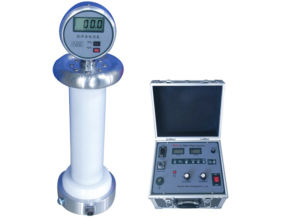
Click the image to know more about DC Withstand Voltage Tester.
Why Is Leak Detection Important in High-Voltage Equipment?
High-voltage electrical systems operate under demanding environmental and electrical conditions. If enclosure seals fail, moisture, dust, oil vapor, or air contaminants may enter sensitive components.
Leakage problems can result in:
- Reduced insulation performance
- Increased leakage current
- Corrosion of electrical components
- Measurement instability
- Partial discharge activity
- Unexpected equipment failure
For outdoor substations and industrial applications, reliable leak protection is essential for maintaining long-term system safety.
What Is Helium Leak Testing?
Helium leak testing is a precision leak detection process that uses helium gas to locate extremely small leaks in sealed equipment or enclosures.
Because helium atoms are much smaller than air molecules, helium can escape through microscopic openings that are difficult to detect using conventional testing methods.
A helium leak detector then measures the escaping gas and identifies the exact location and severity of the leak.
This method is widely used in:
- High-voltage testing equipment
- Transformers
- Circuit breakers
- Cable testing systems
- Vacuum systems
- GIS switchgear
- Industrial enclosures
How Does a Helium Leak Detector Work?
A helium leak detector operates by sensing helium molecules that escape from sealed equipment during testing.
Basic Helium Leak Testing Process
| Step | Description |
|---|---|
| Equipment sealing | The enclosure or component is sealed |
| Helium injection | Helium gas is introduced into the system |
| Vacuum creation | A vacuum pump removes surrounding air |
| Leak scanning | Sensors detect escaping helium |
| Leak analysis | Leak rate and location are identified |
Even extremely small leaks can be accurately measured because helium is non-toxic, non-reactive, and highly detectable.
Why Is Helium Preferred for Leak Testing?
Helium offers several advantages over other gases used for leak detection.
Advantages of Helium Leak Testing
| Advantage | Benefit |
|---|---|
| Small atomic size | Detects microscopic leaks |
| Chemically inert | Safe for electrical equipment |
| Non-flammable | Improves testing safety |
| Low atmospheric concentration | High detection sensitivity |
| Stable under pressure | Reliable measurement accuracy |
These properties make helium leak testing one of the most reliable leak verification methods in the electrical equipment industry.
What Types of HV Equipment Require Helium Leak Testing?
Many high-voltage systems require strong sealing performance to protect insulation structures and maintain operational reliability.
Common Applications Include:
- Transformer testing equipment
- Cable fault locating systems
- Circuit breaker analyzers
- GIS switchgear
- High-voltage insulation testers
- Portable HV test systems
- Battery testing equipment
- Oil dielectric testing devices
Leak-resistant construction is especially important for outdoor substations and renewable energy installations where humidity and environmental exposure are severe.
How Sensitive Is Helium Leak Testing?
Helium leak testing can detect leaks far smaller than those identified through traditional pressure decay methods.
Typical Detection Capability
| Test Method | Detection Sensitivity |
|---|---|
| Pressure decay test | Moderate |
| Bubble testing | Low |
| Vacuum testing | High |
| Helium leak testing | Extremely high |
Some advanced helium leak detectors can identify leaks smaller than 1×10⁻⁹ mbar·L/s, making them suitable for critical high-voltage applications.
What Is the Difference Between Helium Leak Testing and Pressure Decay Testing?
Both methods help evaluate sealing performance, but their accuracy levels differ significantly.
Comparison of Leak Detection Methods
| Feature | Helium Leak Testing | Pressure Decay Testing |
|---|---|---|
| Detection sensitivity | Extremely high | Moderate |
| Micro-leak detection | Excellent | Limited |
| Testing speed | Fast | Medium |
| Equipment cost | Higher | Lower |
| Precision level | Laboratory-grade | General industrial |
Pressure decay testing works well for larger leaks, while helium leak detection is ideal for identifying microscopic sealing defects in critical HV systems.
How Does Helium Leak Testing Improve Equipment Reliability?
Microscopic leaks often become larger over time due to:
- Thermal cycling
- Pressure changes
- Vibration
- UV exposure
- Material aging
By detecting these weak points during manufacturing, companies can prevent future equipment failures.
Benefits include:
- Improved insulation reliability
- Longer equipment lifespan
- Reduced maintenance costs
- Better outdoor durability
- Enhanced operational safety
This is especially important for power utilities and substations operating continuously under harsh environmental conditions.
What International Standards Relate to Leak Testing?
Manufacturers often combine helium leak testing with international electrical and enclosure standards.
Commonly Referenced Standards
| Standard | Purpose |
|---|---|
| IEC 60529 | IP enclosure protection |
| IEC 60060 | High-voltage testing procedures |
| ISO 20485 | Leak testing guidelines |
| IEEE standards | Electrical equipment reliability |
Compliance helps ensure consistent sealing quality and long-term product performance.
What Challenges Can Affect Leak Detection Accuracy?
Several factors influence leak testing precision.
Common Testing Challenges
- Improper sealing during setup
- Surface contamination
- Temperature fluctuations
- Poor vacuum stability
- Incorrect calibration
- Background helium interference
Professional testing systems must maintain stable environmental control to achieve accurate measurements.
How Wrindu Testers Stand Out
As a professional manufacturer of electrical testing equipment, Wrindu applies advanced leak verification technologies to ensure long-term reliability in demanding high-voltage environments.
Advantages of Wrindu Leak-Resistant Equipment
- High-precision helium leak inspection
- Industrial-grade sealing systems
- IP67 protective enclosure design
- Strict factory quality control
- Durable anti-corrosion materials
- Stable performance in humid environments
- Reliable outdoor operation capability
Wrindu testing systems are widely used in:
- Transformer diagnostics
- Cable testing
- Circuit breaker maintenance
- Substation inspection
- High-voltage insulation analysis
By combining advanced sealing engineering with rigorous leak testing procedures, Wrindu helps customers reduce operational risks and improve long-term equipment stability.
How Should Buyers Choose a Reliable Helium Leak Testing Solution?
When selecting leak testing equipment or suppliers, buyers should evaluate:
Important Selection Factors
- Detection sensitivity
- Calibration stability
- Testing speed
- IP protection rating
- Compliance certifications
- Manufacturer experience
- Long-term service support
Industrial users should prioritize suppliers with proven experience in high-voltage electrical testing applications.
Conclusion
Helium leak testing has become one of the most important quality verification methods for high-voltage equipment manufacturing. Its ability to detect microscopic leaks helps improve insulation reliability, prevent moisture intrusion, and extend equipment lifespan.
As electrical systems continue evolving toward higher reliability standards, helium leak detection will remain essential for transformers, substations, cable systems, and industrial HV testing equipment.
Manufacturers like Wrindu official website continue improving leak-resistant engineering and precision testing technologies to support safer and more reliable electrical infrastructure worldwide.
FAQs
Why is helium leak testing better than traditional air pressure testing?
Helium molecules are much smaller than air molecules, allowing the detection of microscopic leaks that pressure testing may overlook.
Can helium leak testing identify insulation problems in HV equipment?
Yes. Leak detection helps identify sealing weaknesses that could eventually affect insulation reliability and electrical safety.
What industries commonly use helium leak detectors?
Power utilities, transformer manufacturers, aerospace companies, semiconductor factories, and industrial equipment manufacturers frequently use helium leak testing.
Is helium leak testing safe for electrical equipment?
Yes. Helium is non-flammable, chemically inert, and safe for sensitive electrical systems.
How small of a leak can a helium leak detector find?
Advanced systems can detect extremely small leaks below 1×10⁻⁹ mbar·L/s depending on equipment sensitivity.
Does outdoor HV equipment require stronger leak protection?
Yes. Outdoor substations and renewable energy systems face humidity, rain, dust, and temperature fluctuations that increase leak risks.
What causes seal failure in high-voltage testing devices?
Thermal expansion, UV aging, pressure changes, vibration, and material fatigue are common causes of sealing failure.
How often should leak-resistant HV equipment be inspected?
Routine inspection intervals typically range from 6 to 12 months depending on operating conditions and environmental exposure.
