How Do High-Voltage Testing Devices Successfully Withstand Leak Risks

Learn how high-voltage testing equipment withstands leak risks through advanced sealing materials, IP67 enclosure protection, helium leak testing, and dielectric withstand technologies. Discover leak-resistant solutions for transformers, cables, substations, and electrical testing systems from Wrindu.

High-voltage testing equipment operates in demanding electrical environments where moisture, pressure fluctuations, dust, oil exposure, and thermal stress can quickly damage insulation systems. If sealing performance fails, leakage problems may lead to insulation breakdown, inaccurate measurements, equipment corrosion, or even dangerous electrical faults.

Modern electrical utilities, substations, renewable energy plants, and industrial manufacturers now require testing systems that can reliably withstand leak challenges under both indoor and outdoor operating conditions.

This guide explains how advanced high-voltage testing equipment minimizes leakage risks through sealing technologies, enclosure engineering, material innovation, and strict manufacturing standards.

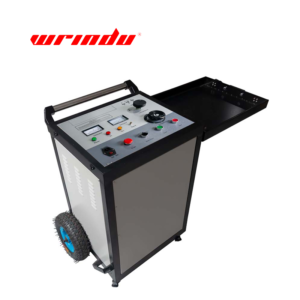
Wrindu HV DC Hipot Tester

Click the image to know more about DC Withstand Voltage Tester.


Why Is Leak Resistance So Important for High-Voltage Testing Equipment?

Leak protection is critical because high-voltage systems rely heavily on insulation integrity and environmental isolation.

When moisture or contaminants enter testing equipment, several problems may occur:

  • Reduced dielectric strength
  • Increased leakage current
  • Corrosion of internal components
  • Measurement instability
  • Flashover risks
  • Premature insulation aging

Electrical testing instruments used in substations, transformer maintenance, cable diagnostics, and circuit breaker testing often face:

  • Heavy humidity
  • Rain exposure
  • Oil contamination
  • Dust intrusion
  • Large temperature swings

Without proper leak-resistant construction, long-term reliability becomes difficult to maintain.


What Factors Commonly Cause Leakage Problems in HV Equipment?

Leak-related failures usually originate from environmental stress, aging materials, or improper sealing design.

Common Sources of Leakage

Leakage Cause Typical Impact Prevention Solution
Aging rubber seals Moisture penetration High-grade silicone gaskets
Pressure imbalance Cracked enclosure joints Pressure equalization valves
UV exposure Seal hardening UV-resistant materials
Thermal expansion Micro-gap formation Flexible sealing systems
Manufacturing defects Weak enclosure protection Precision CNC assembly
Chemical contamination Material degradation Fluoropolymer coatings

Even small sealing failures may eventually create insulation reliability issues in high-voltage environments.


How Do Modern HV Testers Withstand Leak Challenges?

Today’s advanced testing equipment combines multiple protective technologies to achieve long-term leak resistance.

Key Protection Methods Include:

  • Multi-layer sealing structures
  • Waterproof enclosure engineering
  • Vacuum leak verification
  • Anti-condensation design
  • Reinforced cable entry systems
  • Corrosion-resistant coatings
  • Pressure management systems

Manufacturers increasingly design portable HV testers with industrial ingress protection ratings such as IP65, IP67, or IP68 to ensure stable operation in harsh outdoor conditions.


Why Are IP67 and IP68 Enclosures Important in Electrical Testing?

Ingress Protection (IP) ratings define how effectively equipment resists dust and water intrusion.

Typical Protection Levels

IP Rating Dust Protection Water Resistance
IP65 Dust-tight Water jets
IP67 Dust-tight Temporary immersion
IP68 Dust-tight Continuous immersion

For high-voltage testing systems operating in substations or renewable energy installations, higher IP ratings significantly improve durability and operational safety.

Well-designed enclosures help withstand leak exposure caused by:

  • Flooded cable trenches
  • Coastal humidity
  • Heavy rain
  • Wind-driven dust
  • Condensation buildup

Which Sealing Materials Perform Best in Leak-Resistant Electrical Equipment?

Material selection directly affects sealing lifespan and leak prevention capability.

Commonly Used Sealing Materials

Material Main Advantage Typical Application
Silicone Rubber Excellent thermal stability Cable testing systems
Viton Strong chemical resistance Oil-filled equipment
EPDM Moisture resistance Outdoor enclosures
Epoxy Resin High insulation strength Transformer components
Fluoropolymers Corrosion protection Industrial HV systems

Advanced sealing compounds maintain elasticity even during extreme temperature fluctuations, helping equipment withstand leak risks over long operating periods.


How Is Leak Resistance Verified During Manufacturing?

Reliable manufacturers perform multiple leak verification procedures before shipment.

Common Leak Detection Methods

Helium Leak Detection

Helium gas is introduced around sealing areas while sensitive detectors identify microscopic leaks invisible to normal inspection methods.

Pressure Decay Testing

The enclosure is pressurized and monitored for pressure loss over time.

Vacuum Leak Inspection

Vacuum chambers simulate demanding environmental conditions to verify sealing integrity.

Dielectric Withstand Testing

High voltage is applied to insulation systems to confirm electrical isolation and leakage resistance.

These procedures help identify weak sealing points before equipment reaches the customer site.


How Does Thermal Stress Affect Leakage Performance?

Temperature cycling is one of the largest contributors to sealing failure.

When electrical testing devices repeatedly heat and cool:

  • Seals expand and contract
  • Gasket compression changes
  • Internal pressure fluctuates
  • Micro-cracks can develop

Over time, these effects increase the risk of moisture intrusion.

Modern manufacturers reduce these risks through:

  • Flexible sealing structures
  • Pressure compensation vents
  • Heat-resistant elastomers
  • Reinforced enclosure joints

This significantly improves long-term leak withstand capability.


Can Smart Materials Improve Leak Protection in Future HV Equipment?

Emerging technologies are improving sealing reliability beyond traditional methods.

New Innovations Include:

  • Self-healing polymers
  • Nanocomposite coatings
  • Adaptive electroactive sealing materials
  • Hydrophobic surface treatments
  • Smart pressure-balancing membranes

These technologies can dramatically reduce moisture penetration and extend equipment service life in severe environments.

Future substations and renewable energy systems are expected to increasingly adopt these advanced leak-resistant technologies.


How Do International Standards Define Leak Protection Performance?

Several international standards establish leak resistance and enclosure protection requirements for electrical equipment.

Important Standards Include:

Standard Purpose
IEC 60529 IP protection ratings
IEC 60060 High-voltage testing procedures
IEEE C37 Switchgear performance
ISO 9001 Manufacturing quality systems

Compliance with these standards helps ensure equipment reliability, safety, and environmental durability.


How Wrindu Testers Stand Out

As a professional manufacturer of electrical testing equipment, Wrindu focuses on building high-reliability systems capable of operating in demanding industrial environments.

Key Advantages of Wrindu Equipment

  • Advanced multi-layer sealing systems
  • Industrial-grade IP67 enclosure protection
  • Strict helium leak inspection procedures
  • Durable anti-corrosion structural materials
  • Stable performance under humidity and thermal stress
  • Custom solutions for substations and utilities
  • Comprehensive quality control before shipment

Wrindu testing systems are widely applied in:

  • Transformer diagnostics
  • Cable fault testing
  • Circuit breaker analysis
  • Insulation resistance testing
  • Substation preventive maintenance

The company continues improving sealing technology and enclosure durability to help utilities reduce maintenance risks and improve operational reliability.


What Should Buyers Consider When Choosing Leak-Resistant HV Testing Equipment?

Selecting reliable equipment involves more than comparing prices.

Important Evaluation Factors

  • IP protection rating
  • Seal material quality
  • Leak testing certifications
  • Temperature resistance capability
  • Outdoor operating reliability
  • Manufacturer testing procedures
  • Long-term maintenance support

Industrial buyers should prioritize manufacturers with proven experience in high-voltage insulation and sealing technologies.


Conclusion

Leak resistance plays a major role in the safety, durability, and accuracy of high-voltage testing equipment. Advanced sealing materials, rigorous leak verification methods, and robust enclosure designs help modern electrical testers withstand leak challenges in demanding operating environments.

As power systems become more complex and outdoor applications continue expanding, leak-proof performance will remain a critical requirement for transformer testing, cable diagnostics, and substation maintenance equipment.

Reliable manufacturers like Wrindu official website continue advancing sealing technology to provide safer and longer-lasting high-voltage testing solutions for global utilities and industrial customers.


FAQs

How can high-voltage testing equipment reduce moisture leakage risks?

Modern equipment uses sealed enclosures, waterproof cable entries, pressure balancing systems, and advanced gasket materials to minimize moisture intrusion.


What is the best IP rating for outdoor electrical testing devices?

IP67 or higher is commonly recommended for outdoor substation and industrial testing environments where dust and water exposure are significant.


Why is helium leak testing important for HV equipment manufacturing?

Helium testing can detect microscopic leaks that conventional inspection methods may miss, helping improve long-term sealing reliability.


Which sealing material lasts longest in harsh electrical environments?

Viton and high-grade silicone materials are widely preferred because of their resistance to heat, chemicals, UV exposure, and moisture.


How does temperature cycling create sealing failures?

Repeated expansion and contraction caused by thermal changes can weaken gasket compression and create small gaps that allow moisture intrusion.


Can leak-resistant testing equipment improve substation reliability?

Yes. Better sealing performance reduces insulation degradation, minimizes maintenance issues, and improves long-term operational stability.


What industries require leak-proof high-voltage testing systems?

Industries including power utilities, renewable energy, rail transit, heavy manufacturing, mining, and oil & gas frequently require leak-resistant testing equipment.


How often should sealing systems in HV testing equipment be inspected?

Most industrial maintenance programs recommend periodic inspection every 6–12 months depending on environmental operating conditions.

wrindu
wrindu