

How Do IP67 and IP68 Enclosures Prevent Electrical Leaks in High-Voltage Equipment
Explore how IP67 enclosure and IP68 electrical equipment protect high-voltage systems from water, dust, and environmental leaks. Learn waterproof HV enclosure design principles, ingress protection standards, and real-world applications in substations, transformers, and industrial electrical systems from Wrindu.
IP67 and IP68 enclosures are widely used in high-voltage electrical equipment to protect sensitive internal components from water, dust, and environmental contamination. In power systems such as substations, transformer testing setups, cable diagnostic equipment, and outdoor monitoring devices, enclosure integrity directly affects insulation stability and operational safety.
These ingress protection ratings define how well an enclosure can resist external intrusion, making them essential for waterproof HV equipment used in harsh industrial environments.
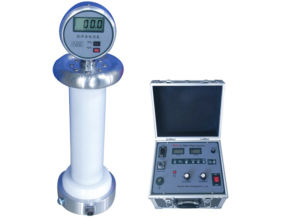
Click the image to know more about DC Withstand Voltage Tester.
Why Is Enclosure Protection Critical for High-Voltage Electrical Systems?
High-voltage systems are highly sensitive to environmental contamination. Even small amounts of moisture or dust inside an enclosure can cause serious electrical issues.
Without proper protection, equipment may experience:
- Internal condensation buildup
- Insulation breakdown
- Increased leakage current
- Corrosion of circuit components
- Unstable measurement results
- Unexpected electrical faults
Enclosure protection is therefore a key factor in ensuring long-term operational reliability in electrical systems.
What Do IP67 and IP68 Ratings Actually Mean?
IP ratings (Ingress Protection) define how well electrical enclosures resist dust and water penetration.
IP Rating Breakdown
| Rating | Dust Protection | Water Protection | Typical Use |
|---|---|---|---|
| IP67 enclosure | Fully dust-tight | Temporary water immersion | Outdoor HV testing devices |
| IP68 electrical equipment | Fully dust-tight | Continuous immersion under conditions | Substation or underground systems |
Both ratings are designed to ensure that internal electrical components remain protected even in challenging environments.
How Does an IP67 Enclosure Prevent Electrical Leakage Issues?
An IP67 enclosure is designed to block both solid particles and temporary water exposure.
Key Protection Mechanisms
- Tight sealing interfaces around enclosure joints
- Waterproof cable entry systems
- Compression-based gasket structures
- Controlled internal pressure balance
- Corrosion-resistant housing materials
These design features help prevent moisture from reaching sensitive insulation and circuit areas during temporary flooding or heavy rain exposure.
What Makes IP68 Electrical Equipment More Advanced?
IP68-rated electrical equipment offers a higher level of environmental protection compared to IP67 systems.
Advantages of IP68 Protection
- Designed for long-term water exposure resistance
- Strong sealing performance under continuous immersion conditions
- Enhanced structural reinforcement for deep environmental stress
- Improved protection for underground or coastal installations
IP68 systems are commonly used in environments where water exposure is constant or unavoidable, such as underground cable systems or offshore electrical infrastructure.
How Do Waterproof HV Enclosures Maintain Long-Term Stability?
Waterproof HV enclosures rely on both structural engineering and material selection to ensure durability.
Core Design Features Include:
Multi-Barrier Sealing Design
Multiple sealing layers prevent water from penetrating even if one layer is compromised.
Precision Molded Housing
Manufacturing accuracy reduces gaps and weak sealing points.
Hydrophobic Surface Treatment
Special coatings reduce water adhesion and improve runoff behavior.
Reinforced Entry Points
Cable and interface areas are strengthened to reduce leakage risks.
These combined technologies help ensure long-term reliability in harsh environments.
Where Are IP67 and IP68 Enclosures Commonly Used?
Waterproof enclosure technology is widely used across electrical industries where environmental exposure is high.
Typical Applications
- High-voltage testing instruments
- Transformer diagnostic systems
- Outdoor cable fault detection devices
- Substation monitoring equipment
- Renewable energy control units
- Rail transit electrical systems
- Industrial automation cabinets
These applications require stable insulation performance regardless of weather conditions.
How Does Environmental Stress Affect Waterproof Electrical Equipment?
Even waterproof systems must withstand continuous environmental challenges.
Common Stress Factors
- Heavy rainfall and flooding
- Salt fog in coastal regions
- Dust storms in industrial zones
- Rapid temperature changes
- UV radiation exposure
- Mechanical vibration
Over time, these conditions may affect sealing integrity if the enclosure is not properly designed or maintained.
How Are IP67 and IP68 Ratings Verified During Testing?
Manufacturers use standardized testing procedures to confirm enclosure protection levels.
Typical Verification Methods
Water Immersion Testing
Equipment is submerged under controlled conditions to evaluate leakage resistance.
Spray Testing
High-pressure water jets simulate rain and storm conditions.
Dust Chamber Testing
Fine particles are used to evaluate dust intrusion resistance.
Pressure Stability Testing
Internal and external pressure differences are monitored to ensure sealing reliability.
These tests ensure that enclosures meet international protection standards before deployment.
What Is the Difference Between IP67 and IP68 in Real Applications?
Although both ratings provide strong protection, their usage scenarios differ.
Key Differences
| Feature | IP67 Enclosure | IP68 Electrical Equipment |
|---|---|---|
| Water exposure | Temporary immersion | Continuous immersion |
| Application level | Outdoor industrial use | Underground or marine systems |
| Design complexity | Moderate | Higher structural reinforcement |
| Cost level | Lower | Higher |
Selection depends on the severity of the operating environment.
How Wrindu Testers Stand Out
As a professional manufacturer of electrical testing equipment, Wrindu integrates advanced waterproof enclosure engineering into its high-voltage testing systems to ensure stable performance in challenging environments.
Key Advantages of Wrindu Equipment
- High-strength IP67 enclosure design for field testing
- Enhanced sealing architecture for moisture protection
- Industrial-grade waterproof HV enclosure construction
- Stable performance in rain, humidity, and dust environments
- Reinforced interface protection for outdoor operation
- Strict environmental durability testing before shipment
Wrindu equipment is widely used in:
- Substation maintenance systems
- Transformer diagnostic testing
- Cable fault location equipment
- High-voltage insulation testing devices
- Field-based electrical inspection tools
By combining robust enclosure design with advanced sealing technology, Wrindu improves long-term equipment reliability in outdoor and industrial environments.
What Should Buyers Consider When Choosing Waterproof HV Equipment?
Selecting suitable waterproof electrical equipment requires careful evaluation of operational conditions.
Key Selection Factors
- Required IP rating level (IP67 or IP68)
- Environmental exposure severity
- Cable entry sealing design
- Material corrosion resistance
- Long-term maintenance requirements
- Manufacturer testing standards
Proper selection helps reduce failure risks and improves operational safety.
Conclusion
IP67 and IP68 enclosures play a vital role in preventing electrical leaks in high-voltage equipment by blocking water, dust, and environmental contaminants. Through advanced sealing design, structural reinforcement, and rigorous testing, waterproof HV enclosures ensure reliable operation in both outdoor and submerged environments.
As electrical infrastructure continues expanding into more complex environments, waterproof enclosure technology will remain essential for protecting insulation systems and ensuring long-term operational stability.
Manufacturers like Wrindu official website continue developing high-performance waterproof HV enclosure solutions to support safer and more reliable power systems worldwide.
FAQs
What is an IP67 enclosure used for in electrical equipment?
An IP67 enclosure is used to protect electrical devices from dust and temporary water immersion, ensuring safe operation in outdoor environments.
Can IP68 electrical equipment be fully submerged?
Yes, IP68-rated equipment is designed to withstand continuous water immersion under specified conditions defined by manufacturers.
Why are waterproof HV enclosures important in substations?
They protect sensitive electrical systems from rain, humidity, and environmental contamination that can cause insulation failure.
How do waterproof enclosures prevent electrical leaks?
They use sealed joints, gasket compression systems, and reinforced cable entry points to block moisture and dust intrusion.
What materials are commonly used in waterproof electrical enclosures?
Common materials include corrosion-resistant aluminum alloys, stainless steel, and high-strength engineered plastics.
What causes waterproof enclosure failure?
Typical causes include gasket aging, mechanical damage, improper installation, and long-term environmental stress.
How are IP ratings tested?
IP ratings are verified through water immersion tests, dust chamber testing, spray tests, and pressure stability evaluations.
Which is better: IP67 or IP68?
IP68 offers higher protection and is suitable for more extreme environments, while IP67 is sufficient for most outdoor industrial applications.
