

Safety During Withstand Testing in High-Voltage Equipment
Learn essential safety practices during withstand testing in high-voltage equipment. Discover key risks, grounding requirements, voltage control methods, PPE guidelines, and how to ensure safe and reliable insulation testing in electrical systems.
Withstand testing is one of the most critical procedures in high-voltage equipment evaluation. It is used to verify whether insulation systems can safely handle high electrical stress without breakdown. However, because the test involves elevated voltage levels, safety becomes a top priority for both operators and equipment.
Proper safety practices not only protect personnel but also ensure accurate test results and prevent damage to valuable electrical assets.
This article explains key safety considerations during withstand testing, common risks, and best practices for safe and reliable operation in high-voltage environments.
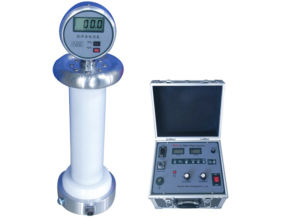
Click the image to know more about DC Withstand Voltage Tester.
What Is Withstand Testing in Electrical Systems?
Withstand testing is a high-voltage insulation test used to verify whether electrical equipment can resist applied voltage without failure.
During the test, a controlled high voltage is applied to:
- Conductors
- Insulation systems
- Grounded parts
If the insulation is healthy, it will block current flow. If it is weak, breakdown or excessive leakage may occur.
This test is commonly used for:
- Power transformers
- High-voltage cables
- Switchgear systems
- Circuit breakers
- Bushings
- GIS equipment
Why Is Safety So Important During Withstand Testing?
Withstand testing involves potentially dangerous voltage levels.
Without proper safety control, risks may include:
- Electric shock
- Arc flash incidents
- Equipment damage
- Fire hazards
- Test equipment failure
Because of these risks, strict safety procedures must always be followed during testing.
What Are the Main Hazards During Withstand Testing?
Several hazards can occur if safety is not properly managed.
How Does High Voltage Create Safety Risks?
High voltage can break down air insulation and create arc discharges.
This may lead to:
- Electrical arcs
- Flashover events
- Burn injuries
- Equipment damage
Safe distance and proper insulation barriers are essential.
Can Improper Grounding Cause Accidents?
Yes. Poor grounding is one of the most common safety risks.
Without proper grounding:
- Fault current may flow unpredictably
- Metal enclosures may become energized
- Operators may be exposed to shock hazards
Grounding systems must always be verified before testing begins.
Why Is Stored Energy Dangerous in HV Equipment?
High-voltage systems can store energy even after power is removed.
Capacitive components such as cables and capacitors may retain charge.
If not discharged properly, this stored energy can cause:
- Electric shock
- Arc discharge
- Equipment damage
Proper discharge procedures are essential before handling equipment.
How Should Operators Prepare Before Withstand Testing?
Proper preparation is essential for safe operation.
Key steps include:
- Inspecting test equipment
- Checking grounding connections
- Ensuring insulation condition
- Verifying cable connections
- Clearing the test area
- Installing safety barriers
A well-prepared environment reduces operational risk significantly.
Why Is Isolation of Test Area Necessary?
Isolation prevents unauthorized access during testing.
Safety measures may include:
- Warning signs
- Safety fencing
- Restricted access zones
- Emergency stop systems
Only trained personnel should be allowed inside the testing area.
How Does Equipment Condition Affect Safety?
Damaged equipment increases testing risk.
Before testing, engineers should check for:
- Cracked insulation
- Loose connections
- Moisture contamination
- Corroded terminals
Faulty equipment may fail unexpectedly during high-voltage application.
Why Is Voltage Ramp-Up Control Important?
Applying voltage too quickly can stress insulation systems.
Controlled voltage increase helps:
- Prevent sudden breakdown
- Improve measurement accuracy
- Reduce stress on insulation materials
Gradual voltage ramping is a key safety practice in withstand testing.
How Should Operators Respond to Abnormal Conditions?
During testing, abnormal signals may indicate danger.
Operators should immediately:
- Stop the test
- Discharge the system
- Inspect equipment condition
- Identify fault sources
Quick response reduces risk of damage and injury.
What Personal Protective Measures Are Required?
Operators must always use proper protective equipment.
Typical safety gear includes:
- Insulated gloves
- Arc-rated clothing
- Safety helmets
- Insulated tools
- Protective footwear
Training and certification are equally important for safe operation.
Why Is Post-Test Discharge Important?
After testing, residual voltage may remain in the system.
Proper discharge ensures:
- No stored electrical energy
- Safe handling conditions
- Reduced shock risk
This step is essential before touching or disconnecting equipment.
How Wrindu Testers Stand Out
As a professional manufacturer of electrical testing equipment, Wrindu provides reliable solutions designed to improve safety and accuracy during high-voltage withstand testing.
Wrindu testing systems support safe operation through:
- Stable high-voltage output control
- Built-in safety protection functions
- Accurate monitoring of test conditions
- Durable industrial design
- User-friendly operation interfaces
- Support for field and substation environments
Wrindu focuses on helping utilities and industrial users improve testing safety, reduce operational risks, and ensure reliable insulation diagnostics.
What Are Common Mistakes During Withstand Testing?
Several operational mistakes can increase safety risks.
Skipping Ground Checks
Incorrect or missing grounding increases shock hazards.
Ignoring Safety Barriers
Unrestricted access may lead to accidental contact with live equipment.
Rapid Voltage Increase
Sudden voltage application may cause insulation breakdown.
Poor Communication
Lack of coordination between operators can lead to unsafe conditions.
Inadequate Equipment Inspection
Undetected faults may lead to unexpected failure during testing.
FAQs About Safety During Withstand Testing
What is the main purpose of safety during withstand testing?
Safety ensures protection of personnel and equipment while maintaining accurate high-voltage test results.
Why is grounding important in withstand testing?
Grounding prevents unintended voltage buildup and protects operators from electric shock.
What should be done before starting a withstand test?
Operators should inspect equipment, verify grounding, set up safety barriers, and ensure the test area is clear.
Can stored energy remain after testing?
Yes. High-voltage equipment may retain residual charge and must be properly discharged.
What PPE is required for withstand testing?
Insulated gloves, arc-rated clothing, safety helmets, and insulated tools are commonly required.
Why is voltage ramp-up control necessary?
It prevents sudden stress on insulation systems and improves testing safety and accuracy.
Who should perform withstand testing?
Only trained and certified high-voltage testing personnel should conduct withstand tests.
Conclusion
Safety during withstand testing is essential for protecting personnel, ensuring accurate results, and preventing equipment damage. By following proper procedures such as grounding, controlled voltage application, isolation, and post-test discharge, operators can significantly reduce risks in high-voltage environments.
With strict safety management and reliable testing systems, withstand testing becomes a powerful tool for ensuring insulation integrity and long-term electrical system stability.
