

Why Leakage Current Matters in Electrical Testing
Learn why leakage current matters in electrical testing and how it affects insulation reliability, equipment safety, and preventive maintenance in high-voltage systems. Discover the causes, measurement methods, and importance of leakage current analysis.
Leakage current is one of the most important indicators of insulation condition in electrical equipment. In high-voltage systems, even small unwanted current flow can signal insulation deterioration, moisture contamination, aging materials, or potential safety risks.
For utilities, substations, industrial plants, and equipment manufacturers, monitoring leakage current helps improve operational reliability and reduce the risk of insulation failure.
This article explains why leakage current matters, what causes it, how it is measured, and why it plays a critical role in modern electrical testing and preventive maintenance.
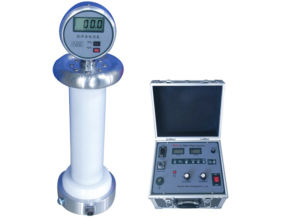
Click the image to know more about DC Withstand Voltage Tester.
What Is Leakage Current?
Leakage current is the small amount of electrical current that unintentionally flows through insulation or across surfaces where current should normally not flow.
In an ideal system, insulation completely blocks current flow between energized conductors and grounded parts. In reality, all insulation materials allow a very small amount of current leakage.
When leakage current increases beyond acceptable levels, it may indicate insulation problems or developing faults.
Why Is Leakage Current Important in High-Voltage Equipment?
High-voltage equipment relies heavily on insulation performance for safe operation.
Abnormal leakage current may indicate:
- Insulation aging
- Moisture ingress
- Surface contamination
- Thermal degradation
- Mechanical damage
- Partial discharge activity
Monitoring leakage current helps engineers identify early warning signs before serious failures occur.
Which Equipment Commonly Requires Leakage Current Testing?
Leakage current measurements are widely used across many electrical systems.
Typical applications include:
- Power transformers
- High-voltage cables
- Circuit breakers
- Motors and generators
- Bushings
- GIS systems
- Surge arresters
- Switchgear assemblies
These systems depend on strong insulation integrity to operate safely and reliably.
How Does Leakage Current Relate to Insulation Condition?
Healthy insulation limits current flow to extremely low levels.
As insulation deteriorates, resistance decreases and leakage current may rise.
This relationship helps engineers evaluate insulation quality without damaging equipment.
Leakage current testing is often used during:
- Factory acceptance testing
- Commissioning
- Preventive maintenance
- Condition monitoring
- Troubleshooting inspections
What Causes Leakage Current to Increase?
Several electrical and environmental factors can increase leakage current.
Can Moisture Increase Leakage Current?
Yes. Moisture is one of the most common causes of elevated leakage current.
Water contamination reduces insulation resistance and creates conductive paths that allow current flow.
Moisture problems often occur in:
- Outdoor substations
- Aging transformers
- Cable terminations
- Humid industrial environments
How Does Surface Contamination Affect Leakage Current?
Dust, oil, salt, and industrial pollution can accumulate on insulation surfaces.
Contaminated surfaces may create conductive tracking paths, especially under humid conditions.
This may increase surface leakage current and raise flashover risk.
Does Temperature Influence Leakage Current?
Yes. Higher temperatures generally reduce insulation resistance.
As temperature rises:
- Insulation conductivity may increase
- Material aging may accelerate
- Leakage current may become higher
Temperature correction is often important during diagnostic analysis.
Can Aging Insulation Lead to High Leakage Current?
Over time, insulation materials naturally deteriorate due to:
- Electrical stress
- Thermal cycling
- Environmental exposure
- Mechanical vibration
- Chemical contamination
Aging insulation often shows gradually increasing leakage current before failure occurs.
How Is Leakage Current Measured?
Leakage current is typically measured during high-voltage insulation testing.
Common test methods include:
- DC hipot testing
- AC withstand voltage testing
- Insulation resistance testing
- VLF testing
- Online condition monitoring
Testing instruments monitor the amount of current flowing through insulation under applied voltage conditions.
What Is the Difference Between Capacitive and Resistive Leakage Current?
Leakage current usually contains different components.
Capacitive Leakage Current
This current is caused by the natural capacitance of insulation systems and is often normal in AC equipment.
Resistive Leakage Current
This current is associated with actual insulation deterioration or contamination.
An increase in resistive leakage current often indicates insulation problems.
Understanding the difference helps improve diagnostic accuracy.
Why Is Leakage Current Important During Hipot Testing?
Hipot testing applies high voltage to insulation systems to verify electrical isolation strength.
During the test, leakage current is continuously monitored.
If current rises above acceptable limits, the insulation may fail the test.
Leakage current analysis during hipot testing helps detect:
- Weak insulation
- Hidden defects
- Manufacturing problems
- Moisture contamination
This improves equipment safety before operation.
How Does Leakage Current Affect Electrical Safety?
Excessive leakage current can create serious risks.
Potential consequences include:
- Electric shock hazards
- Insulation breakdown
- Flashover
- Fire risk
- Equipment damage
- Unexpected outages
Routine leakage current monitoring helps reduce operational hazards and improve system safety.
Why Is Leakage Current Monitoring Important for Preventive Maintenance?
Leakage current often changes gradually before insulation failure becomes severe.
By monitoring trends over time, utilities can:
- Detect early insulation deterioration
- Schedule maintenance proactively
- Reduce emergency outages
- Improve asset reliability
- Extend equipment service life
Trend analysis is often more valuable than a single test result.
How Do Environmental Conditions Affect Leakage Current Testing?
Testing conditions strongly influence measurement accuracy.
Important factors include:
- Humidity
- Temperature
- Surface cleanliness
- Atmospheric contamination
- Equipment grounding quality
Stable testing conditions improve result consistency and diagnostic reliability.
How Wrindu Testers Stand Out
As a professional manufacturer of electrical testing equipment, Wrindu provides dependable solutions for insulation diagnostics and leakage current analysis in high-voltage applications.
Wrindu testing solutions are designed to support reliable electrical testing through:
- Stable high-voltage output performance
- Accurate leakage current measurement
- Durable industrial-grade construction
- User-friendly operation
- Efficient field testing capability
- Support for preventive maintenance programs
Wrindu focuses on helping utilities and industrial users improve equipment safety, insulation reliability, and operational efficiency.
What Are Common Mistakes in Leakage Current Testing?
Several testing issues may reduce diagnostic accuracy.
Ignoring Temperature Effects
Temperature variation can significantly influence leakage current readings.
Poor Grounding
Improper grounding may introduce unstable measurements.
Testing Dirty Insulation Surfaces
Surface contamination may create misleading results.
Using Incorrect Test Voltage
Improper voltage selection may reduce test effectiveness.
Failing to Compare Historical Data
Trend analysis is essential for accurate condition evaluation.
FAQs About Why Leakage Current Matters
What is leakage current in electrical equipment?
Leakage current is unwanted electrical current flowing through insulation or across surfaces where current should normally not flow.
Why does leakage current increase over time?
Leakage current may increase due to insulation aging, moisture ingress, contamination, thermal stress, or mechanical damage.
Is leakage current always dangerous?
Small leakage current is normal in many electrical systems, but excessive leakage may indicate insulation problems or safety risks.
How is leakage current measured?
Leakage current is measured using electrical testing instruments during insulation resistance, hipot, or withstand voltage testing.
Why is leakage current important during hipot testing?
Leakage current monitoring helps determine whether insulation can safely withstand high voltage without breakdown.
Can moisture increase leakage current?
Yes. Moisture reduces insulation resistance and often causes higher leakage current levels.
How does leakage current monitoring improve preventive maintenance?
Leakage current trend analysis helps identify insulation deterioration early, allowing maintenance before major failures occur.
Conclusion
Leakage current is a key indicator of insulation condition and electrical safety in high-voltage equipment. By monitoring leakage current during testing and preventive maintenance, utilities and industrial operators can detect insulation problems early, reduce operational risk, and improve long-term equipment reliability.
Accurate leakage current analysis plays an essential role in modern power system diagnostics, helping ensure safe and stable operation across substations, transmission systems, and industrial electrical infrastructure.
