

Viton vs Silicone Seals for High-Voltage Equipment | HV Sealing Materials Guide
Compare Viton vs silicone seals in high-voltage equipment applications. Learn how HV sealing materials affect insulation reliability, gas tightness, and equipment performance in transformers, GIS systems, and electrical enclosures.
Sealing materials play a critical role in the reliability of high-voltage equipment. In transformers, GIS systems, switchgear, and outdoor enclosures, seals are responsible for preventing moisture ingress, gas leakage, and environmental contamination.
Among the most widely used HV sealing materials are silicone seals and Viton gaskets. Each material has different chemical resistance, temperature tolerance, and long-term performance characteristics. Choosing the right sealing material directly affects equipment lifespan and insulation stability.
This article explains the key differences between Viton and silicone seals, their applications in electrical equipment, and how to select the most suitable option for HV environments.
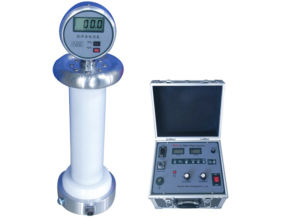
Click the image to know more about DC Withstand Voltage Tester.
What Are HV Sealing Materials in Electrical Equipment?
HV sealing materials are components used to ensure airtight and moisture-proof protection in electrical systems.
They are commonly used in:
- Transformer tanks
- GIS compartments
- Outdoor switchgear enclosures
- Cable junction boxes
- Control cabinets
These seals help maintain stable internal conditions and protect insulation systems from environmental stress.
Why Are Silicone Seals Widely Used in Electrical Equipment?
Silicone seals are known for their flexibility and thermal stability.
They are commonly used in electrical applications because they:
- Maintain elasticity over a wide temperature range
- Provide good resistance to weathering and UV exposure
- Perform well in outdoor environments
- Offer stable long-term flexibility
Silicone materials are often selected for applications where temperature variation and environmental exposure are major concerns.
What Makes Viton Gaskets Suitable for High-Voltage Systems?
Viton gaskets are based on fluoroelastomer materials designed for high chemical and thermal resistance.
They are widely used in HV equipment because they:
- Resist oils and insulating fluids
- Perform well in chemically aggressive environments
- Maintain sealing strength under high pressure
- Offer excellent long-term durability
Viton is especially suitable for systems exposed to oil, gas, or industrial contaminants.
What Is the Main Difference Between Viton and Silicone Seals?
The main difference lies in chemical resistance and temperature performance.
Silicone Seals
- Better flexibility in extreme temperature changes
- Strong weather resistance
- Suitable for outdoor insulation protection
Viton Gaskets
- Superior chemical and oil resistance
- Higher durability in harsh industrial environments
- Better performance in sealed pressurized systems
Both materials are widely used, but their performance advantages depend on application conditions.
Which Sealing Material Performs Better in High-Temperature Environments?
Both materials can handle elevated temperatures, but their performance differs.
Silicone seals perform well in:
- Wide temperature fluctuations
- Outdoor exposure
- Thermal cycling environments
Viton gaskets perform better in:
- Continuous high-temperature industrial conditions
- Oil-filled electrical systems
- Chemical exposure environments
The choice depends on whether flexibility or chemical resistance is more important.
How Do Environmental Conditions Affect Seal Performance?
Environmental factors strongly influence sealing reliability.
Key factors include:
- Temperature variation
- UV radiation exposure
- Chemical contact
- Humidity and moisture levels
- Mechanical vibration
Over time, these conditions may cause seal aging, hardening, or loss of elasticity.
Why Is Seal Compatibility Important in HV Equipment?
Incorrect sealing material selection can lead to:
- Gas leakage in GIS systems
- Moisture ingress in transformers
- Reduced insulation performance
- Increased maintenance frequency
- Unexpected equipment failure
Proper material compatibility ensures long-term operational stability.
Can Silicone and Viton Be Used Together?
In some HV systems, different sealing materials may be used in different locations.
For example:
- Silicone seals for external weather protection
- Viton gaskets for internal oil or gas sealing
However, compatibility must be carefully evaluated to avoid uneven aging or pressure imbalance.
How Does Seal Aging Affect Electrical Equipment Reliability?
Seal degradation is a gradual process influenced by operating conditions.
Common aging effects include:
- Loss of elasticity
- Surface cracking
- Compression set deformation
- Reduced sealing force
As seals deteriorate, the risk of leakage and insulation contamination increases.
How Wrindu Testers Stand Out
As a professional manufacturer of electrical testing equipment, Wrindu provides reliable diagnostic solutions that help detect sealing and insulation issues in high-voltage systems.
Wrindu testing solutions support equipment reliability through:
- Accurate leak detection capability
- Stable high-voltage testing performance
- Durable industrial design for field use
- Easy operation in substation environments
- Support for preventive maintenance programs
- Reliable performance in harsh operating conditions
Wrindu focuses on helping utilities and industrial users improve system safety and reduce failure risks caused by insulation or sealing degradation.
How Can Proper Sealing Material Selection Improve Maintenance Efficiency?
Choosing the right sealing material reduces maintenance workload and improves system reliability.
Benefits include:
- Lower leak failure rates
- Reduced inspection frequency
- Improved insulation stability
- Longer equipment service life
- Fewer emergency repairs
Material selection is a key factor in long-term asset management.
FAQs About Viton vs Silicone Seals
What is the main difference between Viton and silicone seals?
Silicone seals offer better flexibility and weather resistance, while Viton gaskets provide superior chemical and oil resistance.
Which sealing material lasts longer in HV equipment?
Viton generally lasts longer in chemically aggressive environments, while silicone performs better in outdoor temperature variation conditions.
Are silicone seals suitable for outdoor electrical equipment?
Yes. Silicone seals are widely used in outdoor HV equipment due to their UV and weather resistance.
Where are Viton gaskets commonly used in electrical systems?
Viton gaskets are often used in oil-filled transformers, sealed compartments, and chemically exposed environments.
Can seal material affect insulation performance?
Yes. Poor sealing materials can allow moisture or gas leakage, which reduces insulation reliability.
How often should sealing materials be inspected?
Inspection frequency depends on equipment type, environment, and maintenance strategy, but regular checks are recommended for critical HV systems.
What happens if seals fail in high-voltage equipment?
Seal failure may lead to gas leakage, moisture ingress, insulation degradation, and potential equipment malfunction.
Conclusion
Viton and silicone seals both play important roles in high-voltage equipment reliability. Silicone seals excel in flexibility and environmental resistance, while Viton gaskets offer superior chemical durability and long-term sealing strength.
Selecting the right HV sealing materials is essential for maintaining insulation integrity, reducing leakage risks, and improving overall system performance in demanding electrical environments.
