

Heat Resistance of HV Seals in High-Voltage Equipment | Wrindu
Learn how heat resistance affects HV seals in transformers, GIS systems, and electrical enclosures. Discover how thermal aging, temperature cycling, and sealing material performance influence insulation reliability and long-term equipment safety.
Heat resistance is one of the most important performance factors for sealing materials used in high-voltage (HV) equipment. In transformers, GIS systems, switchgear, and outdoor enclosures, seals must maintain stable performance even under continuous thermal stress.
When sealing materials lose heat resistance, they may harden, deform, or lose elasticity, which can lead to leakage, moisture ingress, and insulation degradation. Therefore, understanding heat resistance behavior is essential for ensuring long-term electrical reliability.
This article explains how HV seals respond to temperature stress, what affects their thermal performance, and how to choose sealing materials for high-temperature electrical environments.
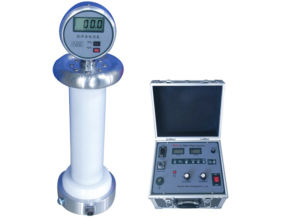
Click the image to know more about DC Withstand Voltage Tester.
What Does Heat Resistance Mean for HV Seals?
Heat resistance refers to a sealing material’s ability to maintain its physical and mechanical properties under elevated temperatures.
For HV equipment, heat resistance determines whether seals can:
- Maintain elasticity
- Resist deformation
- Prevent compression set
- Avoid cracking or hardening
- Preserve sealing force over time
Good heat resistance ensures stable insulation and long-term equipment reliability.
Why Is Heat Resistance Critical in High-Voltage Applications?
High-voltage equipment often operates under continuous thermal stress caused by:
- Electrical losses
- Ambient temperature variation
- Solar radiation (outdoor systems)
- Load fluctuations
- Internal heating from conductors
If sealing materials cannot withstand heat, the equipment may develop:
- Gas leakage
- Oil seepage
- Moisture ingress
- Reduced insulation performance
- Increased maintenance needs
Which HV Equipment Relies Heavily on Heat-Resistant Seals?
Thermal stability is especially important in:
- Power transformers
- GIS (Gas Insulated Switchgear)
- Circuit breaker enclosures
- Outdoor switchgear cabinets
- Cable termination boxes
- High-voltage bushings
These systems may operate continuously for years, making long-term heat resistance essential.
How Does Temperature Affect Sealing Materials?
Heat affects sealing materials in several ways.
Material Softening
At high temperatures, some seals may become too soft, reducing mechanical strength.
Hardening and Aging
Long-term exposure can cause materials to harden and lose elasticity.
Compression Set
Seals may permanently deform after prolonged compression under heat.
Chemical Degradation
Heat can accelerate oxidation and molecular breakdown in elastomer materials.
What Is Continuous vs Short-Term Heat Resistance?
HV seals must withstand both types of thermal exposure.
Continuous Heat Resistance
Refers to long-term operation under stable elevated temperatures.
Short-Term Heat Resistance
Refers to temporary exposure during overloads, faults, or environmental peaks.
Both are important for real-world substation conditions.
Why Do Outdoor Conditions Increase Thermal Stress?
Outdoor HV equipment is exposed to additional thermal factors such as:
- Direct sunlight
- Daily temperature cycling
- Seasonal changes
- Wind and humidity variations
These factors accelerate aging and reduce sealing lifespan if materials are not properly selected.
How Do Different Materials Perform Under Heat?
Sealing materials behave differently under thermal stress.
Silicone-Based Seals
- Excellent flexibility at wide temperature ranges
- Good resistance to thermal cycling
- Suitable for outdoor environments
Fluoroelastomer (e.g., Viton-type) Seals
- Strong stability at high continuous temperatures
- Better resistance to industrial heat and oils
- Longer service life in harsh environments
Material selection depends on operating temperature profile and environment type.
Can Heat Resistance Affect Leak Prevention?
Yes. Heat resistance directly impacts sealing reliability.
Poor thermal performance may lead to:
- Loss of sealing pressure
- Micro-gap formation
- Gas leakage in GIS systems
- Moisture ingress in transformers
- Gradual insulation degradation
Stable heat-resistant seals help maintain long-term system tightness.
How Is Heat Resistance Tested in HV Seals?
Heat resistance is evaluated through controlled testing methods such as:
- Thermal aging tests
- High-temperature compression tests
- Cyclic temperature stress tests
- Material deformation analysis
These tests simulate real operating conditions to assess long-term reliability.
Why Is Thermal Cycling a Major Challenge?
Thermal cycling occurs when equipment repeatedly heats up and cools down.
This causes:
- Expansion and contraction stress
- Seal fatigue
- Gradual material weakening
- Loss of elasticity over time
Thermal cycling is one of the most damaging factors for HV sealing systems.
How Wrindu Testers Stand Out
As a professional manufacturer of electrical testing equipment, Wrindu provides advanced diagnostic solutions that help identify insulation and sealing issues caused by thermal stress in high-voltage systems.
Wrindu testing solutions support reliable equipment assessment through:
- Stable high-voltage testing performance
- Accurate detection of insulation degradation
- Durable design for harsh field environments
- Easy operation in substation conditions
- Support for preventive maintenance strategies
- Reliable performance under varying temperature conditions
Wrindu focuses on helping utilities and industrial users improve equipment reliability and reduce failures caused by thermal aging and sealing degradation.
How Can Heat Resistance Improve Equipment Lifespan?
High heat resistance directly contributes to longer service life by:
- Maintaining stable sealing force
- Reducing material fatigue
- Preventing early aging
- Ensuring insulation stability
- Lowering maintenance frequency
Well-designed thermal performance significantly improves overall asset reliability.
FAQs About Heat Resistance of HV Seals
What does heat resistance mean in HV sealing materials?
It refers to the ability of sealing materials to maintain performance under high or fluctuating temperatures.
Why is heat resistance important in transformers?
Transformers generate internal heat during operation, which can degrade seals if they are not thermally stable.
Which sealing material performs better at high temperatures?
Fluoroelastomer-based seals generally perform better in continuous high-temperature environments, while silicone performs better in thermal cycling conditions.
Can heat damage HV sealing systems?
Yes. Excessive heat can cause hardening, deformation, and loss of sealing capability.
What is thermal cycling in HV equipment?
It refers to repeated heating and cooling cycles that stress sealing materials over time.
How can heat resistance failures be prevented?
By selecting appropriate materials, performing regular maintenance, and ensuring proper operating conditions.
Does heat resistance affect insulation performance?
Yes. Seal degradation due to heat can lead to moisture ingress and reduced insulation reliability.
Conclusion
Heat resistance is a critical factor in the performance and reliability of HV sealing systems. In high-voltage equipment, seals must withstand continuous thermal stress, environmental variation, and long-term aging without losing their sealing capability.
By selecting appropriate materials and understanding thermal behavior, utilities and engineers can significantly improve equipment reliability, reduce leakage risks, and extend the service life of high-voltage systems.
