

Outdoor Transformer Protection Guide: Weather, Sealing, and Reliability
Learn how outdoor transformer protection works in harsh environments. Discover how sealing systems, enclosures, and maintenance help prevent oil leakage, moisture damage, and insulation failure in outdoor transformer applications.
Outdoor transformers work in harsh environments such as rain, dust, heat, humidity, and pollution. Without proper protection, they may suffer from insulation failure, oil leakage, overheating, and reduced service life.
Good outdoor transformer protection helps improve reliability, reduce maintenance costs, and ensure stable power supply.
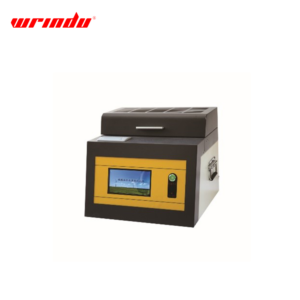
Click the image to know more about Wrindu BDV Tester.
Why Do Outdoor Transformers Need Extra Protection?
Unlike indoor units, outdoor transformers are directly exposed to environmental stress.
Main risks include:
- Rainwater and moisture ingress
- Dust and sand contamination
- UV radiation damage
- Temperature fluctuations
- Wind and vibration
- Pollution and salt corrosion
These factors can gradually damage insulation and sealing systems.
How Does Weather Affect Outdoor Transformers?
Weather changes are one of the biggest challenges.
High Temperature
Can cause:
- Oil expansion
- Higher internal pressure
- Faster insulation aging
Low Temperature
Can lead to:
- Oil thickening
- Seal hardening
- Reduced flexibility of materials
Rain and Humidity
Can result in:
- Moisture entering enclosures
- Surface leakage paths
- Corrosion of metal parts
How Do Sealing Systems Protect Outdoor Transformers?
Sealing systems are the first barrier against environmental damage.
High-quality seals help:
- Block water ingress
- Prevent dust entry
- Maintain internal insulation dryness
- Reduce oil leakage risk
Modern systems often use advanced smart sealing materials to improve durability under changing weather conditions.
What Role Do Enclosures Play in Outdoor Transformer Protection?
Transformer enclosures provide physical protection.
They help:
- Shield internal components from rain and sunlight
- Reduce mechanical impact damage
- Improve thermal stability
- Limit exposure to pollution
Well-designed enclosures also support better heat dissipation while keeping contaminants out.
How Can Oil Leakage Be Prevented in Outdoor Transformers?
Oil leakage is a common issue in outdoor conditions due to thermal stress and aging.
Prevention methods include:
- Regular inspection of seals and gaskets
- Tightening flange connections
- Using corrosion-resistant materials
- Monitoring oil level changes
- Applying proper pressure control design
Leak prevention is essential for both safety and environmental protection.
How Does Temperature Control Improve Outdoor Transformer Reliability?
Temperature control helps reduce stress on insulation and sealing systems.
Common methods include:
- Natural or forced air cooling
- Radiators for heat dissipation
- Oil circulation systems
- Thermal monitoring sensors
Stable temperature reduces expansion stress and extends equipment lifespan.
How Does Pollution Affect Outdoor Transformer Performance?
Industrial and coastal areas often have high pollution levels.
Pollution can cause:
- Conductive dust buildup
- Surface tracking
- Insulation degradation
- Increased leakage current
Regular cleaning and protective coatings help reduce these risks.
What Maintenance Is Required for Outdoor Transformers?
Routine maintenance is key for long-term stability.
Common tasks include:
- Checking oil condition
- Inspecting sealing systems
- Cleaning external surfaces
- Monitoring temperature and load
- Testing insulation resistance
Preventive maintenance helps avoid unexpected failures.
How Do Modern Technologies Improve Outdoor Transformer Protection?
New technologies are improving reliability significantly.
Examples include:
- Advanced nanocomposite coatings for surface protection
- Smart sensors for real-time monitoring
- Improved sealing materials with better flexibility
- Predictive maintenance systems
These technologies help detect problems early and reduce downtime.
FAQs
Why are outdoor transformers more vulnerable than indoor ones?
Because they are directly exposed to weather, pollution, and temperature changes.
How does rain affect outdoor transformers?
Rain can cause moisture ingress, corrosion, and insulation degradation if sealing is weak.
What is the biggest risk for outdoor transformers?
Moisture-related insulation failure and oil leakage are among the most common risks.
How can outdoor transformer oil leakage be prevented?
By using strong sealing systems, corrosion protection, and regular inspection.
Do outdoor transformers need special enclosures?
Yes. Enclosures protect against weather, dust, and mechanical damage.
How often should outdoor transformers be inspected?
It depends on the environment, but regular preventive inspection is strongly recommended.
Can pollution damage outdoor transformers?
Yes. Dust and pollutants can create conductive paths and reduce insulation performance.
What improves outdoor transformer lifespan?
Good sealing, temperature control, and regular maintenance significantly extend service life.
