

What Is Site Acceptance Test Equipment in Substation Projects and Why Is It Important
Learn what site acceptance test (SAT) equipment is, how SAT testing works in substations, and why it is essential for safe energization. Discover modern SAT solutions for transformers, circuit breakers, relays, cables, and power systems with integrated testing, digital reporting, and IEC-compliant workflows.
Site Acceptance Test (SAT) equipment is used to verify that substation systems operate safely and correctly before energization. It helps utilities, EPC contractors, and industrial operators confirm that transformers, circuit breakers, relays, cables, and other power equipment meet technical and safety standards after installation.
In modern substations, SAT equipment is critical for reducing commissioning risks, improving testing accuracy, and protecting long-term asset reliability.
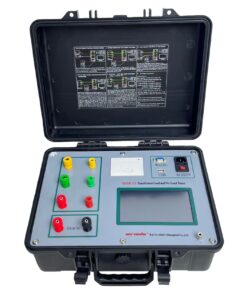
Clcik the image to know more about Wrindu Transformer No-load and Load Loss Tester.
Why Is Site Acceptance Testing Important for Modern Substations?
Power grid investment continues to grow worldwide because of renewable energy expansion, electrification, and aging infrastructure upgrades.
As substations become larger and more complex, accurate commissioning tests are more important than ever.
Without proper SAT testing, substations may face:
- Insulation failures
- Relay setting errors
- Breaker timing problems
- Unexpected outages
- Safety risks
- Costly rework
Many early equipment failures happen because problems were not detected during commissioning.
Reliable SAT equipment helps engineers identify these issues before the system enters service.
What Problems Exist with Traditional SAT Equipment?
Traditional site acceptance testing often relies on many separate instruments from different manufacturers.
This creates several challenges:
Long Setup Time
Engineers must configure multiple devices manually.
Inconsistent Test Procedures
Different testing methods can produce inconsistent results.
Difficult Data Management
Manual reports increase the risk of missing or incorrect data.
Limited Automation
Older systems cannot easily support digital substations or automated workflows.
Higher Human Error Risk
More manual work increases the possibility of connection or configuration mistakes.
As substations move toward higher voltage and smarter grid technologies, traditional SAT methods are becoming less efficient.
How Does Modern SAT Equipment Work?
Modern SAT systems combine multiple testing functions into one integrated platform.
Wrindu develops advanced SAT equipment for substation commissioning and maintenance.
Typical functions include:
- Insulation resistance testing
- AC/DC withstand voltage testing
- Circuit breaker timing analysis
- Transformer ratio testing
- Transformer winding resistance testing
- Relay protection testing
- Battery system testing
Modern SAT systems also use intelligent software to automate testing procedures and generate digital reports.
This improves testing speed, accuracy, and traceability.
Advantages of Integrated SAT Solutions
| Aspect | Traditional SAT Equipment | Integrated SAT Solution |
|---|---|---|
| Test Functions | Separate instruments | Multi-function platform |
| Setup Time | Longer manual setup | Faster automated setup |
| Data Recording | Manual reports | Digital centralized storage |
| Accuracy | Depends on operator | Standardized and repeatable |
| Compliance | Difficult documentation | IEC and utility-ready reports |
| Future Expansion | Limited | Supports digital substations |
Integrated SAT systems help reduce commissioning time and improve overall project efficiency.
Step-by-Step SAT Testing Process
Step 1: Prepare Project Parameters
Import substation design information and testing standards into the SAT system.
Step 2: Connect Equipment
Connect transformers, relays, breakers, cables, and batteries using standardized interfaces.
Step 3: Run Automated Tests
The SAT system automatically controls voltage application, timing measurements, and protection testing.
Step 4: Monitor Results
The software checks test values in real time and alerts operators if abnormalities occur.
Step 5: Generate Reports
After testing, the system creates digital reports for project approval and asset management.
Real Applications of SAT Equipment in Substations
New Transmission Substations
Large substations require fast commissioning with multiple assets tested at the same time.
Integrated SAT equipment reduces labor requirements and speeds up energization.
Renewable Energy Substations
Solar and wind substations need reliable insulation and protection testing because of fluctuating operating conditions.
Modern SAT systems improve testing confidence and reduce early equipment failures.
Industrial Substation Upgrades
Industrial plants often combine old and new equipment.
Flexible SAT solutions help engineers test mixed systems efficiently.
Third-Party Testing Agencies
Testing companies need consistent and traceable reports for different customers.
Integrated SAT systems improve reporting quality and reduce manual work.
Why SAT Equipment Is Becoming More Important
Substations are evolving rapidly with:
- Higher voltage levels
- Smart grid technologies
- Digital substations
- Remote monitoring
- Predictive maintenance systems
Utilities and regulators now require better testing records and digital documentation.
Future substations will depend even more on intelligent SAT equipment that supports automation, analytics, and long-term asset management.
Wrindu continues investing in advanced testing technologies to support future power grid requirements worldwide.
Main Benefits of Site Acceptance Test Equipment
SAT equipment helps power companies:
- Improve substation safety
- Reduce commissioning risk
- Detect hidden equipment problems
- Speed up project delivery
- Improve testing consistency
- Simplify compliance reporting
- Reduce maintenance costs
- Protect long-term asset reliability
Reliable SAT testing is essential for stable and efficient power system operation.
Frequently Asked Questions About Site Acceptance Test Equipment
What is site acceptance test equipment used for in substations?
SAT equipment is used to test transformers, breakers, relays, cables, insulation systems, and batteries before the substation is energized.
Why is SAT testing important before energizing a substation?
It helps identify installation errors, insulation problems, and equipment faults before the system enters operation.
What is the difference between FAT and SAT testing?
Factory Acceptance Testing (FAT) is performed before equipment leaves the factory, while Site Acceptance Testing (SAT) is performed after installation at the project site.
Which equipment is commonly tested during substation SAT?
Transformers, circuit breakers, CTs, PTs, relays, switchgear, cables, grounding systems, and battery systems are commonly tested.
Why are integrated SAT systems better than traditional testing methods?
Integrated systems reduce setup time, improve data accuracy, automate reporting, and simplify project management.
Who uses site acceptance test equipment?
Utilities, EPC contractors, industrial plants, OEM manufacturers, renewable energy companies, and third-party testing agencies all use SAT equipment.
Can SAT equipment support digital substations?
Yes. Modern SAT systems are designed to work with digital substations and automated grid technologies.
What standards are followed during substation SAT testing?
Many projects follow IEC, IEEE, and local utility standards for commissioning and acceptance testing.
How does SAT equipment improve commissioning efficiency?
Automated testing and centralized reporting reduce manual work and shorten project timelines.
Why is digital reporting important in SAT projects?
Digital records improve traceability, simplify audits, support maintenance planning, and reduce documentation errors.
How does Wrindu support substation testing projects?
Wrindu provides high-precision SAT equipment, technical support, global delivery, and customized testing solutions for power industry customers worldwide.
