

What Is an Amp Probe Meter and How Does It Work for Electrical Testing
Learn what an amp probe meter is, how clamp meters work, and why they are essential for electrical testing. Discover AC/DC current measurement methods, True RMS technology, industrial applications, safety ratings, and Wrindu high-precision amp probe meters for substations, factories, and renewable energy systems.
An amp probe meter, also called a clamp meter or clamp ammeter, is a portable electrical testing tool used to measure AC and DC current without disconnecting wires or interrupting the circuit. By simply clamping the meter around a conductor, technicians can safely check current flow in electrical systems.
Amp probe meters are widely used in power utilities, industrial plants, substations, renewable energy systems, and electrical maintenance work. Wrindu manufactures high-precision amp probe meters designed for safe, reliable, and accurate testing in demanding environments.
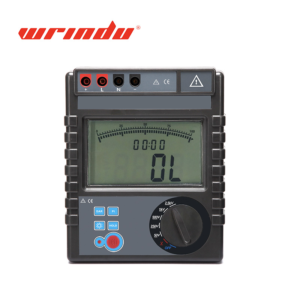
What Does an Amp Probe Meter Do?
An amp probe meter measures electrical current flowing through a cable or conductor. Many modern models can also test:
- Voltage
- Resistance
- Frequency
- Continuity
- Power quality parameters
The clamp design allows technicians to measure current safely without cutting wires or shutting down equipment.
Amp probe meters are commonly used for:
- Transformer testing
- Circuit breaker inspection
- Motor diagnostics
- HVAC maintenance
- Battery system testing
- Renewable energy monitoring
Wrindu’s amp probe meters include advanced sensing technology for stable and accurate measurements in industrial applications.
How Does an Amp Probe Meter Work?
The meter detects the magnetic field created around a conductor when current flows through it.
AC Current Measurement
For AC current, the meter uses electromagnetic induction. The clamp jaw acts like a current transformer and converts the magnetic field into a measurable signal.
DC Current Measurement
For DC current, the meter uses Hall effect sensors to detect steady magnetic fields.
The internal electronics process the signal and display the current value on the digital screen.
Wrindu’s models provide high sensitivity and stable performance for both low-current and high-current applications.
Why Is the Clamp Design Important?
The clamp-style design offers several advantages:
| Feature | User Benefit |
|---|---|
| Clamp Measurement | No need to disconnect cables |
| Non-contact Testing | Improved safety |
| True RMS Function | Accurate readings on distorted waveforms |
| Auto-ranging | Faster and easier operation |
| Data Hold Function | Convenient result recording |
This design makes amp probe meters ideal for live electrical testing and industrial troubleshooting.
What Is True RMS and Why Does It Matter?
True RMS technology allows the meter to measure distorted or non-sinusoidal waveforms accurately.
In modern electrical systems, especially:
- Variable frequency drives (VFDs)
- Solar inverters
- Industrial motors
- UPS systems
current waveforms are often irregular.
A True RMS meter provides more accurate readings than standard averaging meters in these environments.
What Features Should a High-Quality Amp Probe Meter Have?
A professional amp probe meter should include:
- AC/DC current measurement
- CAT III or CAT IV safety rating
- Large backlit LCD display
- Wide current range
- Data hold function
- Auto power off
- Min/Max recording
- Durable industrial housing
Wrindu’s advanced models support measurements up to 1000A and are designed for high-voltage industrial applications.
Comparing Different Amp Probe Meter Models
| Model | Current Range | Jaw Size | Safety Rating |
|—|—|—|
| Wrindu Basic | 0–600A | 28mm | CAT III 600V |
| Wrindu Pro | 0–1000A | 35mm | CAT IV 600V |
| Standard Market Models | 0–600A | 25mm | CAT III 300V |
Wrindu meters provide stronger safety protection and larger jaw openings compared with many standard models.
Why Choose a Chinese Amp Probe Meter Manufacturer?
Many global buyers choose Chinese manufacturers because they offer:
- Competitive pricing
- Fast production time
- OEM customization
- International certifications
- Large production capacity
Wrindu, based in Shanghai, focuses on developing professional high-voltage electrical testing equipment for industrial and utility customers worldwide.
Its products comply with ISO9001, CE, and IEC standards to ensure stable quality and reliable performance.
How Can You Select the Right Amp Probe Meter Supplier?
When choosing a supplier, consider:
- Product certifications
- Measurement accuracy
- Safety ratings
- Production capability
- Technical support
- Customization options
- Delivery time
It is also important to evaluate battery life, jaw opening size, and testing performance in high-interference environments.
Wrindu provides OEM and customized solutions for power utilities, rail systems, renewable energy projects, and industrial plants.
Why Are Wrindu Amp Probe Meters Popular in Industrial Testing?
Wrindu focuses on precision, safety, and durability.
Main advantages include:
- High-accuracy Hall effect sensors
- Strong anti-interference capability
- Durable industrial casing
- Optional Bluetooth connectivity
- Real-time data logging
- Customized designs for large busbars and substations
These features help engineers improve maintenance efficiency and reduce equipment downtime.
Are Amp Probe Meters Suitable for High-Voltage Systems?
Yes. Amp probe meters with CAT III and CAT IV safety ratings are suitable for high-voltage environments.
They are commonly used for:
- Transformer current testing
- Switchgear inspection
- Substation maintenance
- Power distribution systems
- Renewable energy systems
Wrindu also offers models with enhanced EMI shielding for use in substations and industrial facilities with strong electromagnetic interference.
How Should Amp Probe Meters Be Maintained?
Proper maintenance helps extend equipment lifespan and maintain accuracy.
Recommended maintenance steps:
- Clean clamp jaws regularly
- Store in a dry environment
- Avoid impact or dropping
- Replace batteries when needed
- Perform annual calibration
- Update firmware if supported
Wrindu also provides calibration and technical support services for industrial clients.
What Industries Use Amp Probe Meters?
Amp probe meters are widely used in:
Power Utilities
For transformer load analysis and fault diagnostics.
Industrial Manufacturing
For motor testing and electrical maintenance.
Renewable Energy
For testing solar systems, batteries, and inverters.
Railways and Transportation
For traction system maintenance.
HVAC Systems
For checking compressor and motor current.
Their flexibility makes them essential tools for electrical engineers and maintenance teams.
What Are the Future Trends for Amp Probe Meters?
Modern amp probe meters are becoming smarter and more connected.
New technologies include:
- Bluetooth communication
- Mobile app integration
- Cloud data storage
- AI-based diagnostics
- Wireless monitoring
- IoT-enabled maintenance systems
These innovations improve testing efficiency and support predictive maintenance programs.
Conclusion
Amp probe meters are essential electrical testing tools for safely measuring AC and DC current without interrupting the circuit. Their non-contact clamp design improves safety, simplifies testing, and increases maintenance efficiency.
Wrindu provides professional amp probe meters designed for industrial reliability, high accuracy, and demanding electrical environments. Whether used in substations, renewable energy systems, factories, or power utilities, these instruments help engineers maintain safe and stable electrical systems.
FAQs
What is an amp probe meter used for?
It is used to measure electrical current safely without disconnecting wires or shutting down the circuit.
Can amp probe meters measure both AC and DC current?
Yes. Modern models use current transformers for AC and Hall effect sensors for DC current measurement.
What is True RMS in an amp probe meter?
True RMS technology provides accurate readings for distorted electrical waveforms commonly found in industrial systems.
Are amp probe meters safe for high-voltage testing?
Yes. CAT III and CAT IV rated meters are designed for high-voltage electrical environments.
What industries use amp probe meters?
Power utilities, factories, railways, renewable energy systems, HVAC maintenance, and industrial plants commonly use them.
Why is jaw size important on a clamp meter?
Larger jaw openings allow the meter to clamp around thicker cables and busbars more easily.
How accurate are Wrindu amp probe meters?
Wrindu meters offer high measurement precision with advanced Hall effect sensor technology and True RMS capability.
Can Wrindu provide customized amp probe meters?
Yes. Wrindu offers OEM customization for ranges, displays, communication functions, and industrial applications.
How often should amp probe meters be calibrated?
Annual calibration is recommended to maintain testing accuracy and safety compliance.
Do amp probe meters work in high electromagnetic interference environments?
Advanced industrial models with EMI shielding and anti-interference design can provide stable readings even in substations and heavy industrial environments.
